Russia business power rates could soon climb for industrial users as officials look for ways to fund the growing cost of defending and repairing the country’s energy grid following a wave of drone strikes. The plan, drafted by the Federal Antimonopoly Service, would let electricity network operators fold security and rebuilding expenses directly into the transmission fees charged to large commercial customers.
Why Businesses, Not Households, Would Pay
Regulators have been careful to stress that ordinary households won’t feel this particular pinch. The burden, if approved, would land squarely on industrial consumers rather than residential ratepayers. That distinction matters, since it signals the government’s intent to shield everyday citizens from the fallout of a conflict that has increasingly targeted energy infrastructure.
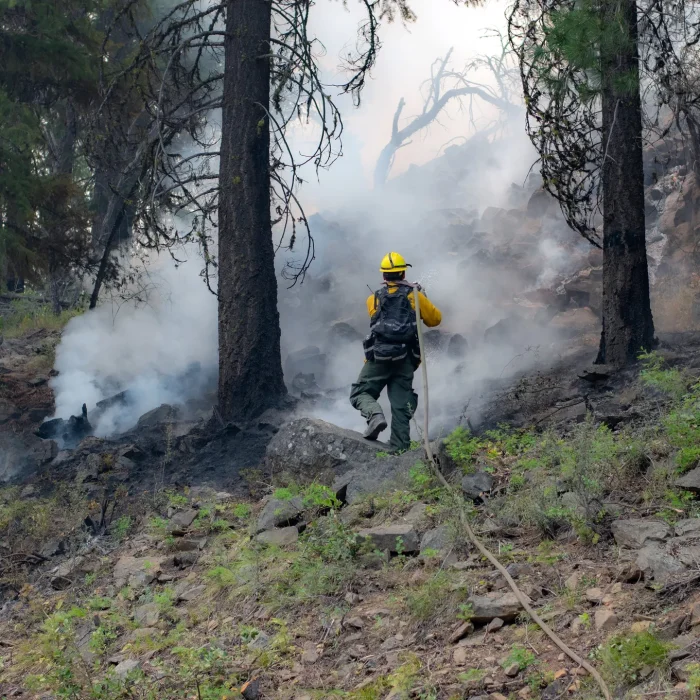
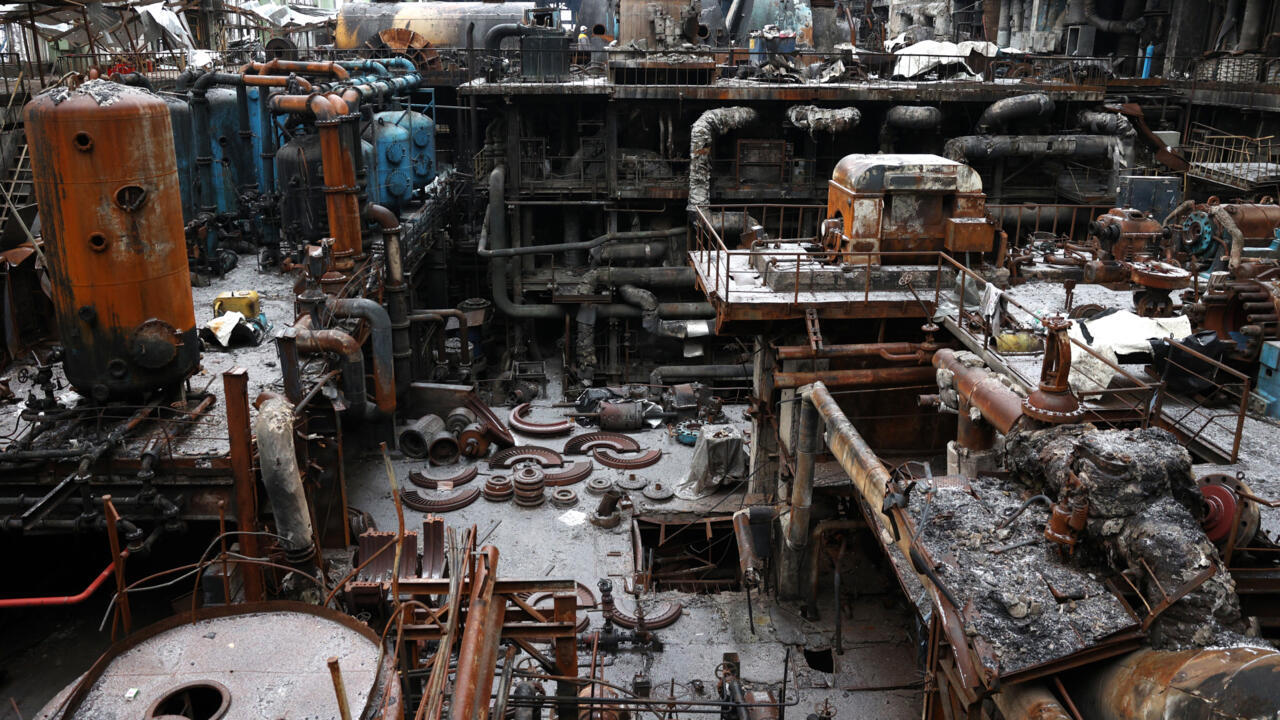
Under the draft order, network companies would gain approval to bake several categories of spending into their rate structures. These include the construction of protective barriers around vulnerable sites, salaries for security personnel guarding facilities, drone detection technology and countermeasure systems designed to intercept incoming threats, specialized protective equipment, and broader workplace safety upgrades for employees stationed at exposed locations. On top of that, utilities would be permitted to recoup actual reconstruction costs already incurred going back to 2022, covering roughly three years of accumulated repair expenses through 2025.
Not an Automatic Nationwide Hike
It’s worth noting this wouldn’t function as a blanket price increase applied uniformly across Russia. Instead, the framework requires specific sign-off from either federal or regional authorities before any rate adjustment takes effect, and only in areas where local conditions genuinely warrant the extra spending. Utilities seeking to pass these costs along will still need to present detailed justification to regulators for every expense they claim, meaning the process isn’t a rubber stamp so much as a case-by-case evaluation.
This measured approach suggests authorities are trying to balance two competing pressures: keeping energy companies financially solvent enough to maintain critical infrastructure, while avoiding the political and economic risk of triggering sweeping price shocks that could ripple through the broader economy.
The Scale of the Damage Behind the Policy
The push for this funding mechanism didn’t emerge in a vacuum. It follows substantial damage to Russia’s power generation capacity over the past year. Deputy Energy Minister Yevgeny Grabchak has previously disclosed that roughly 8.5 gigawatts of power capacity were either damaged outright or forced offline due to what officials describe as “external influence” during the 2025-26 autumn-winter season, a euphemism widely understood to reference drone and missile strikes on energy assets.
That’s a significant chunk of generating capacity to lose, and it helps explain why utilities are scrambling for new revenue streams rather than simply absorbing the losses.
Limited Options Push Utilities Toward Tariffs
Industry analysts have pointed out that Russian energy firms don’t have many alternatives when it comes to covering these unplanned costs. Dmytro Stapran, an economist who has studied the sector, observed that the recent surge in drone strikes created financial obligations that simply weren’t part of these companies’ original business planning. Nobody budgeted for this level of security spending because nobody anticipated it.
With direct government subsidies largely unavailable or capped, energy companies are left leaning almost entirely on tariff revenue to plug the gap. That’s precisely why raising rates for industrial customers has emerged as the path of least resistance for a sector under mounting financial strain. Without subsidies flowing in from the state budget, tariffs become the default lever regulators reach for.
A Silver Lining for Refiners
Interestingly, not every corner of Russia’s energy sector is struggling. Despite the disruption caused by drone attacks on various facilities, domestic oil refineries have managed to keep expanding their profit margins. This uneven impact highlights how differently various segments of the energy industry are weathering the ongoing pressure, refining operations appear more insulated from the immediate financial strain that’s now prompting grid operators to seek relief through higher business tariffs.
What Comes Next
If finalized, this policy would mark a notable shift in how Russia funds critical infrastructure protection amid sustained attacks on its energy network. Whether the tariff increases prove sufficient to cover mounting security and reconstruction costs, or whether further government intervention becomes necessary, remains an open question. For now, the burden appears set to fall on industrial power users in specifically designated regions, with regulators retaining oversight over exactly how much utilities can pass along and where.
Author