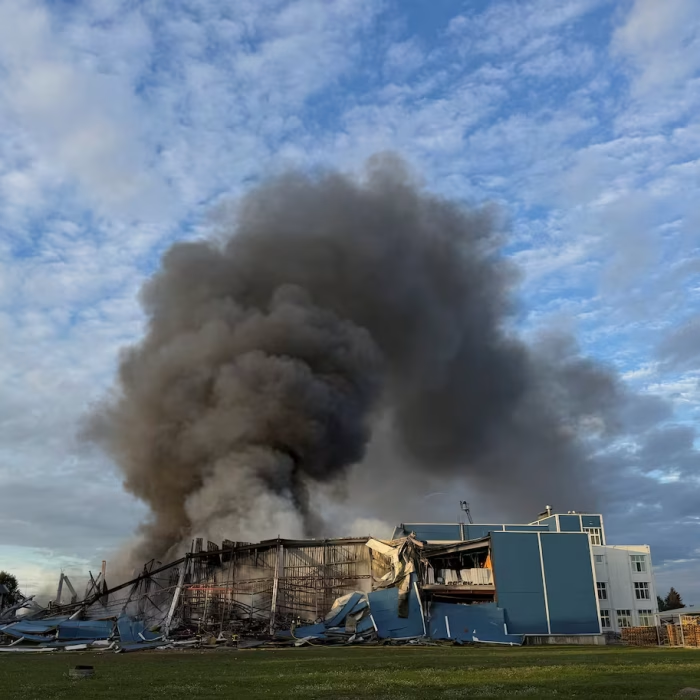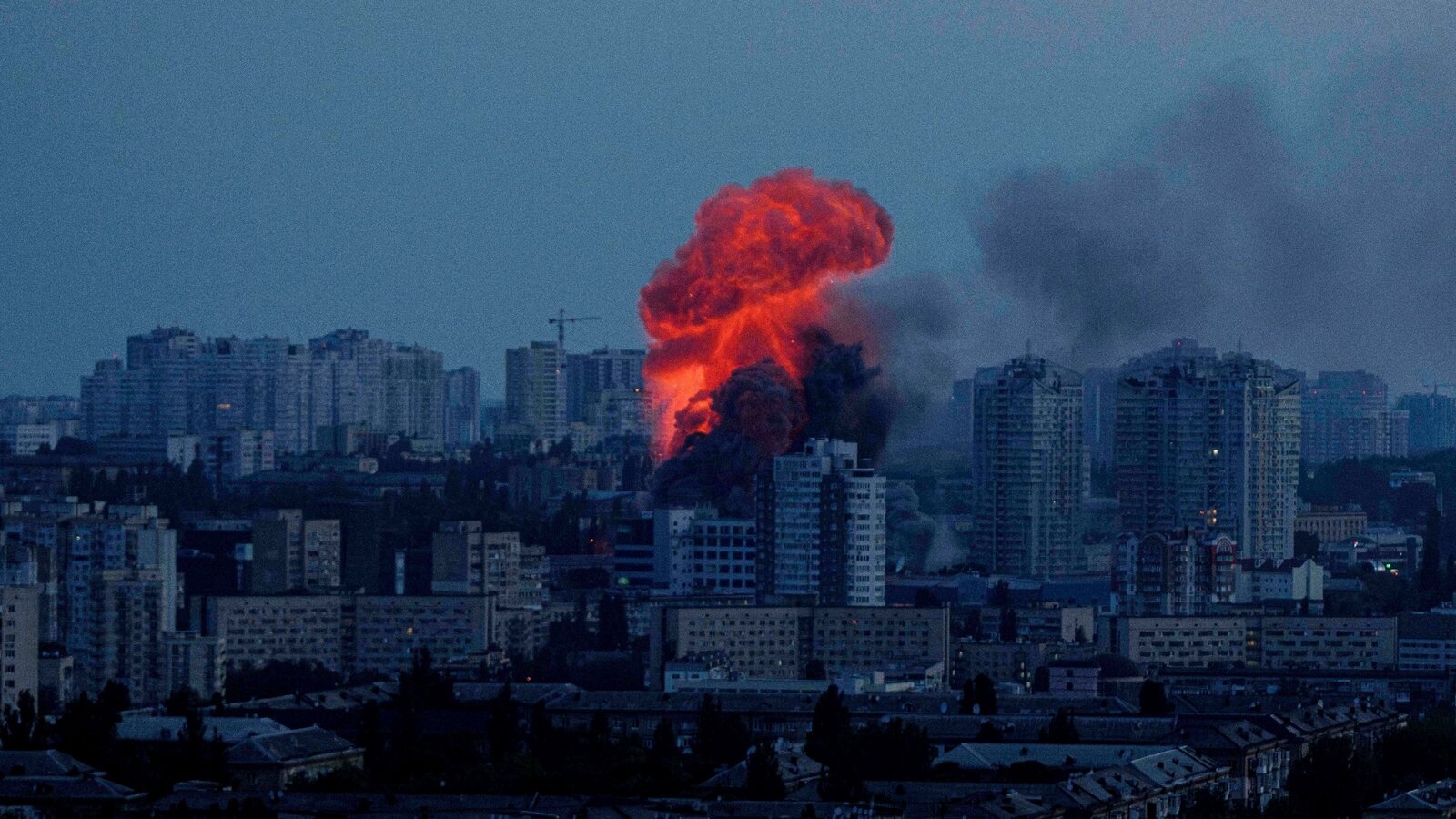
Ukraine drone strikes Russia reached a new peak in June, with the month setting a record for long-range attacks and growing evidence that Kyiv’s expanding drone campaign is increasingly overpowering Russian air defenses. The trend points to a meaningful shift in how Ukraine is taking the war deep into Russian territory.
A Record-Breaking Month
According to reporting from The Wall Street Journal, June marked a high point for Ukrainian long-range strikes against Russia. The scale of the campaign appears to be stretching Moscow’s defenses beyond what they can manage.
Russia’s Defense Ministry has reported a rising number of intercepted Ukrainian drones, while local officials often describe the resulting damage in vague terms such as technical problems or harm to infrastructure. Yet even Moscow’s own figures, which analysts suspect may be exaggerated, reveal a clear pattern: Ukraine is launching more strikes, and Russia is struggling to defend its enormous territory.
The numbers underscore the surge. Based on calculations by The Wall Street Journal and Ukraine’s Come Back Alive foundation, Russia claimed to have intercepted 8,849 drones over its territory and occupied Crimea in May. That figure dwarfs the 3,676 reported in January and the 2,504 from May 2025.
Strikes Growing in Both Number and Effectiveness
The momentum carried into June with striking force. According to an analysis by the military intelligence firm Janes, confirmed long-range strikes nearly tripled from May to June, climbing from 12 to 32.
Russia’s Defense Ministry described one overnight assault into June 26 as the largest drone attack since the war began, claiming that 660 Ukrainian drones were intercepted and destroyed. Earlier, on the night of June 18, when the Moscow Oil Refinery in Kapotnya was struck, Moscow reported destroying 555 drones.
Beyond sheer volume, Ukrainian attacks are also landing more successfully. Janes data indicates that roughly 35% of this year’s successful strikes on Russian soil occurred in June alone.
How Ukraine Is Breaking Through
Those on the front lines of the effort have been struck by the results. Denys Shtylerman, co-founder and chief designer at the Ukrainian defense company Fire Point, said he was surprised by how many of his drones penetrated defenses and hit the Moscow refinery. He explained that deploying a large mass of drones simply overwhelmed Russia’s air-defense systems.
Military analyst Michael Kofman of the Carnegie Endowment for International Peace attributed the growing success to improving technology and Ukraine’s expanding ability to carry out more powerful attacks than before.
Russia’s vast size, long considered a strategic strength, has become a liability for its air defense network. As Kofman noted, Russian defenses must protect not only the 1,200-kilometer front line but also sprawling areas filled with military, energy, and industrial infrastructure.
Turning Russia’s Own Tactics Around
In a notable reversal, Ukraine has adopted strategies Russia has long used against Ukrainian cities, launching large numbers of drones to confuse and overwhelm air defenses. Ukraine, however, has built a layered defense system of its own and pushed its interception rate to around 90%.
Several technical limitations help explain why Russia is struggling:
- Systems such as Russia’s Pantsir can engage no more than four targets at once, meaning large drone salvos can quickly exceed their capacity, according to former air defense officer Valerii Romanenko.
- Early waves of an attack can reveal the positions of Russian air defenses, allowing follow-on drones to locate gaps and slip through.
- Russia’s defenses around Moscow were designed primarily to counter crewed aircraft, cruise missiles, and ballistic missiles, leaving them ill-suited to the challenge of disposable drones.
Douglas Barrie, a military aerospace expert at the International Institute for Strategic Studies in London, emphasized that these cheap unmanned aircraft represent a relatively new and difficult target for systems built with other threats in mind.
Real Consequences on the Ground
The strikes are producing tangible effects inside Russia, including disruptions to fuel supplies. The damage has forced authorities to restrict fuel sales across multiple regions.
On June 22, six regions, Omsk, Irkutsk, Saratov, Voronezh, Amur, and Tambov, imposed emergency caps to curb panic buying. Saratov limited individuals to 30 liters of gasoline between June 23 and June 30, while Irkutsk allowed some stations to halt sales entirely in order to prioritize emergency services.
The restrictions soon spread further. Russia imposed limits in its main oil-producing region along with three others, Kursk, Bryansk, and Kurgan. Later reports from Russian media indicated that yet another region, Tomsk, had also begun restricting fuel sales.
Taken together, the record-setting strikes and their growing reach suggest Ukraine has found an increasingly effective way to pressure Russia far from the front lines, exposing vulnerabilities in a defense network strained by the sheer size of the territory it must protect.
Author