The Utah Colorado wildfires have turned deadly, claiming the lives of three firefighters and forcing entire communities to flee as flames tear across the arid Southwest. After an unusually warm winter left the landscape parched, the blazes are spreading with frightening speed, and forecasters warn the worst may not be over.
A Somber Homecoming in Grand Junction
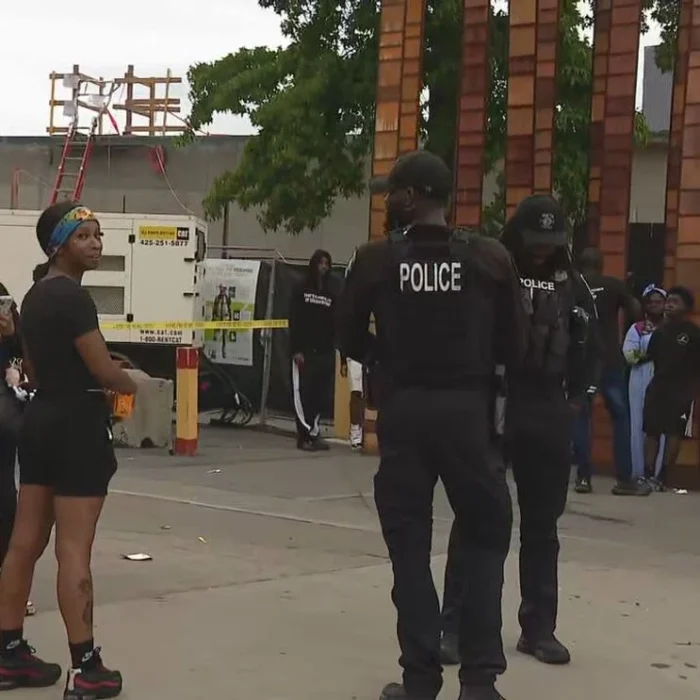
On Sunday morning, exhausted and grief-stricken firefighters gathered at Grand Junction Regional Airport in southwestern Colorado to receive the bodies of three of their own. In a quiet act of mourning, they stretched black stripes across their badges to honor the colleagues lost to the fires raging along the Utah-Colorado border.
Around 9:30 a.m., a medevac helicopter touched down in a stiff wind. The three bodies, wrapped in flags, were carefully loaded into vehicles from the coroner’s office. Some of the firefighters who had flown in alongside the fallen climbed into the trucks and began the solemn drive.
The procession that followed stretched half a mile, made up of fire, rescue, and law enforcement vehicles moving slowly down Interstate 70. Residents, only just learning of the deaths after watching towering orange-tinted smoke rise the night before, gathered on overpasses to watch the line of flashing lights pass. In one quiet moment, a mother pulled her young son close to her side.
How the Tragedy Unfolded
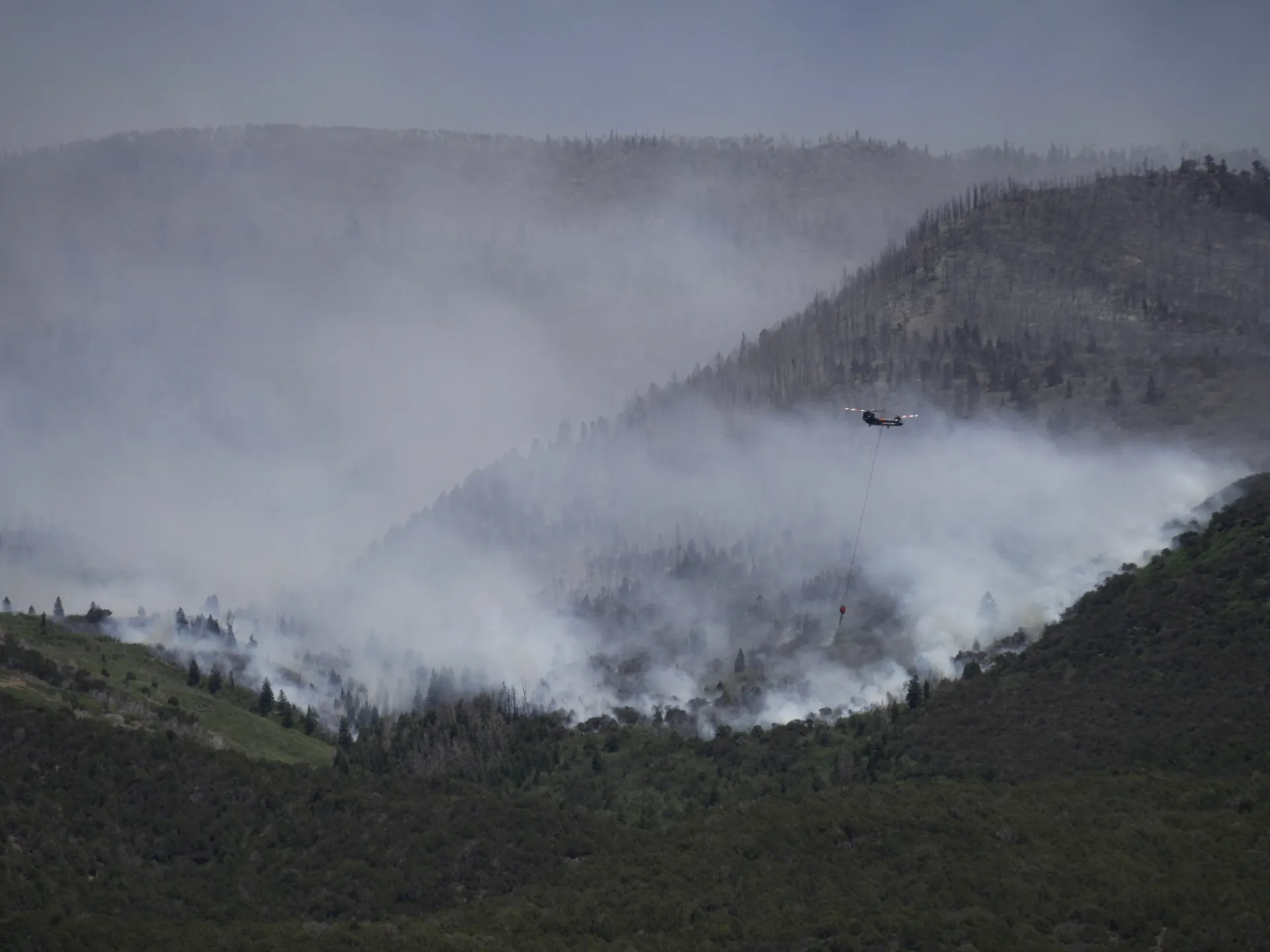
The firefighters who died had been battling the Knowles and Gore wildfires. Those blazes eventually merged with the Snyder fire, and together they have consumed nearly 30,000 acres in western Colorado, drawing crews from multiple agencies.
According to the Department of Interior, the flames suddenly overwhelmed the firefighters as they tried to take shelter from the intense heat and smoke. Beyond the three who lost their lives, two others suffered burn injuries in the fast-moving fire.
The danger remains far from over. The National Weather Service has flagged the area as a particularly dangerous situation, where a brutal combination of strong winds, low humidity, and dry fuels can spark extreme fire behavior. The agency warned that rapid fire growth is likely, with winds potentially reaching up to 40 miles per hour.
A Region Turned to Fuel
This week’s fires are part of a broader crisis gripping the Southwest. A run of harsh conditions has left the land primed to burn, including:
- Unusually warm winters
- A thin, meager snowpack
- Persistent high winds
The result is a tinderbox stretching across multiple states. Flames have already pushed into Colorado, Utah, Arizona, New Mexico, and Nevada, with red flag warnings remaining in effect throughout the region.
In response to the chaos in western Colorado, Gov. Jared Polis declared a disaster late Saturday. The move centralizes the state’s response and activates the National Guard to support overwhelmed crews.
Utah Faces Its Most Destructive Fire Ever
Across the border, Utah is grappling with a crisis of its own. As of Sunday afternoon, 12 large wildfires were burning across the state, blackening more than 214,000 acres.
The largest, the Cottonwood fire, ignited near the city of Beaver in southwestern Utah and has exploded to at least 93,000 acres in a single week, with none of it contained. Gov. Spencer Cox called it the most destructive fire in the state’s history in terms of property loss, though no injuries or deaths have been reported there.
Conditions have been so severe that firefighters on the ground and in the air were forced to pull back on Friday to scout safer angles of attack. By Saturday, crews were clearing fuel from the fire’s path with rakes, shovels, and axes, though authorities admitted they couldn’t be certain their defenses would hold.
Alyssa Mason, a spokeswoman for the federal team leading the response, explained that while crews had established containment lines around most of the fire, much of that line remained untested. She also offered a sobering reminder of how easily these fires start, noting that something as simple as a chain dragging behind a truck can throw sparks and ignite roadside brush.
To reduce that risk, Governor Cox signed an executive order last week temporarily restricting fireworks through the July 4 holiday weekend.
Lives and Homes Lost to the Flames
For residents in the fire’s path, the destruction is deeply personal. Cabins, campgrounds, homes, and infrastructure have vanished into the smoke.
Shalyn Davis Yardley of Beaver, Utah, lost her family’s cabin to the Cottonwood fire, a structure her father had spent years building alongside his own father long ago. She recalled the memories made there, from homemade ice cream and Dutch oven potatoes to New Year’s sledding and Sunday family dinners, describing the place as their little sanctuary. She hasn’t been able to bring herself to visit since it burned, admitting the family hasn’t fully grasped that it’s truly gone.
Evacuations and Mounting Danger
The spreading fires have forced evacuations across Colorado. Communities outside the city of Ouray in the southern part of the state were ordered to leave, with social media video capturing flames engulfing the surrounding ridgeline Saturday night as the fire rushed ominously downhill.
Officials acknowledged the grim reality of fighting fires in such terrain. Ouray County noted that steep landscapes offer only so many safe places to position crews, forcing first responders to be extremely careful about where they send people.
In Mesa County, on the Utah border, authorities issued a pre-evacuation order as scattered fires grew into one another, burning nearly 30,000 acres in just 24 hours. County commissioner Cody Davis described the mood in smoke-choked Grand Junction as somber.
A Brotherhood in Mourning
At the coroner’s office, the flag-draped bodies were wheeled into a hospital hallway lined with more than 50 firefighters from across western Colorado. Some emergency workers wrapped their arms around one another as they waited to escort the fallen inside.
The fear that rippled through firefighting families that morning was real. Among those deployed was Joe Simard, a member of the elite Truckee Hotshots crew from California sent to Utah. His father, Paul Simard, woke early Sunday and used a location-sharing app to check on his son, only to see that Joe’s phone hadn’t moved in four hours.
His mother, Lisa Simard, described the wave of relief that washed over them when they finally learned he was safe. But that relief quickly gave way to heartbreak. As she put it, her feeling shifted to complete sorrow for the mothers who had lost a child.
Looking Ahead
As wind continued to whip the trees throughout Sunday morning, it served as a constant reminder that dangerous conditions were expected to worsen again later in the day. With red flag warnings still active and forecasters predicting more rapid growth, the communities of the Southwest face an anxious wait.
For now, the region mourns its fallen, braces for what comes next, and holds onto hope that the crews still on the lines can turn the tide before more is lost.
Author