Cockroach Protests India: Movement Digs In Despite Government Concessions
Leaders of India’s Cockroach protest movement say their supporters have no intention of backing down, even after the activist whose hunger strike energised the demonstrations ended his fast Friday having extracted commitments from the government.
Abhijeet Dipke, whose Cockroach Janta Party has converted anger over a compromised university entrance exam and scarce employment into the most serious political challenge Prime Minister Narendra Modi has faced in years, put it plainly: they will not step back.
The Hunger Strike That Started It
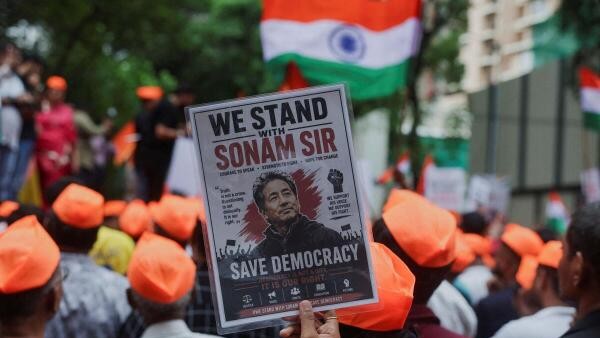
Sonam Wangchuk, a 59-year-old activist, shed roughly 20 pounds during a fast that stretched 26 days.
Police removed him forcibly to a hospital days before he was due to lead a protest march through the capital on Monday.
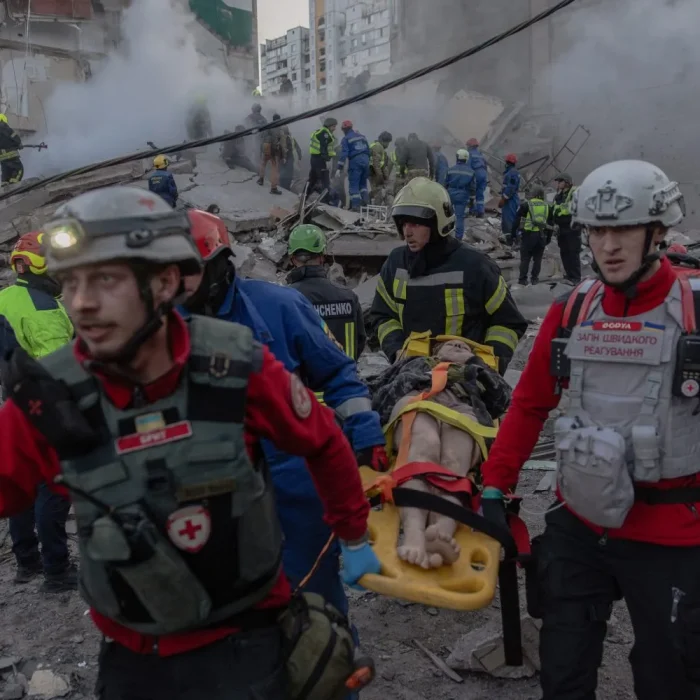
The march was banned. Thousands marched anyway. Confrontations followed, with police deploying batons and tear gas.
Casualty figures diverge depending on the source. Protest organisers reported dozens of demonstrators injured. Police put the number of injured officers and paramilitary personnel at nearly 120.
What the Government Promised
Wangchuk announced on social media that he ended the fast after officials came to his hospital bedside and pledged not to file police complaints against protesters over the clashes.
A video he posted showed officials arranged around his bed as India’s health minister made two commitments:
- Compensation for students who died by suicide in connection with this year’s botched undergraduate medical exam
- Threadbare discussions in Parliament on the subject of exam paper leaks
Why Exams Carry This Much Weight
For millions of Indians, competitive examinations represent the only viable route to a subsidised university place or a government job — positions that matter enormously given the shortage of well-paying private sector work.
The system is riddled with failure. Exams are routinely cancelled over cheating allegations. Organised gangs sell advance access to exam papers, with some families paying tens of thousands of dollars, making it a genuinely lucrative criminal industry.
This year’s undergraduate medical exam illustrates the scale of the problem. Two million people sat it in May. All of them had to sit it again in June after the paper leaked.
Modi Responds
The prime minister made a concentrated push on the issue Thursday.
In a social media message he promised fast-track courts dedicated to exam-cheating cases and described the wellbeing of young Indians as a personal priority.
A separate video went further in tone. He acknowledged that paper leaks are not a minor matter, describing them as deeply painful for millions of students and their families.
A Political Trap
The government’s difficulty is partly of its own making, according to Bhaskar Pant, a partner at the New Delhi policy group Policy Monks.
By declining to send senior ministers to meet protest leaders early on, the administration allowed the movement to harden around a specific demand: the resignation of India’s education minister.
Pant laid out the bind precisely. Granting the resignation reads as weakness. Refusing it reads as contempt. And the longer the decision is postponed, the more the demand migrates upward — from the minister toward the man above him.
The Target Is Already Shifting
That migration appears to be underway.
Graffiti on police barricades in recent days has called for Modi himself to resign. Crowds gathering daily this week have carried signs mocking the prime minister directly.
The protests have also spread geographically, reaching Bengaluru and Mumbai alongside New Delhi.
Images That Backfired
Footage of police striking protesters with batons has drawn more people to the movement rather than deterring them, according to Prashant Malik, a delivery rider ferrying food orders sent to protesters by supporters.
His framing captured the sentiment fuelling the crowds: these are kids, not terrorists, fighting for their rights.
What This Movement Actually Represents
The exam scandal is the trigger but not the whole grievance.
Underneath it sits a broader frustration among young Indians about an economy that has not generated enough opportunity to match the number of people seeking it. The exam system matters so intensely precisely because the alternatives are so limited — when government jobs are the safest available path, corruption in the process of allocating them becomes intolerable.
That explains why the concessions offered so far have not defused anything. Compensation payments and parliamentary discussions address the symptom. Fast-track courts address the criminality. Neither touches the underlying scarcity that makes the exams a battleground in the first place.
Where It Goes From Here
Wangchuk’s fast is over, but he was the catalyst rather than the movement’s centre of gravity. Dipke’s organisation continues to mobilise, and the demonstrations have already outlasted the hunger strike that launched them.
The government now faces a choice it deferred for too long. Every day the education minister remains in place, the demand grows less about him and more about the leadership that keeps him there.
Author
-
Lucienne Albrecht is Luxe Chronicle’s wealth and lifestyle editor, celebrated for her elegant perspective on finance, legacy, and global luxury culture. With a flair for blending sophistication with insight, she brings a distinctly feminine voice to the world of high society and wealth.