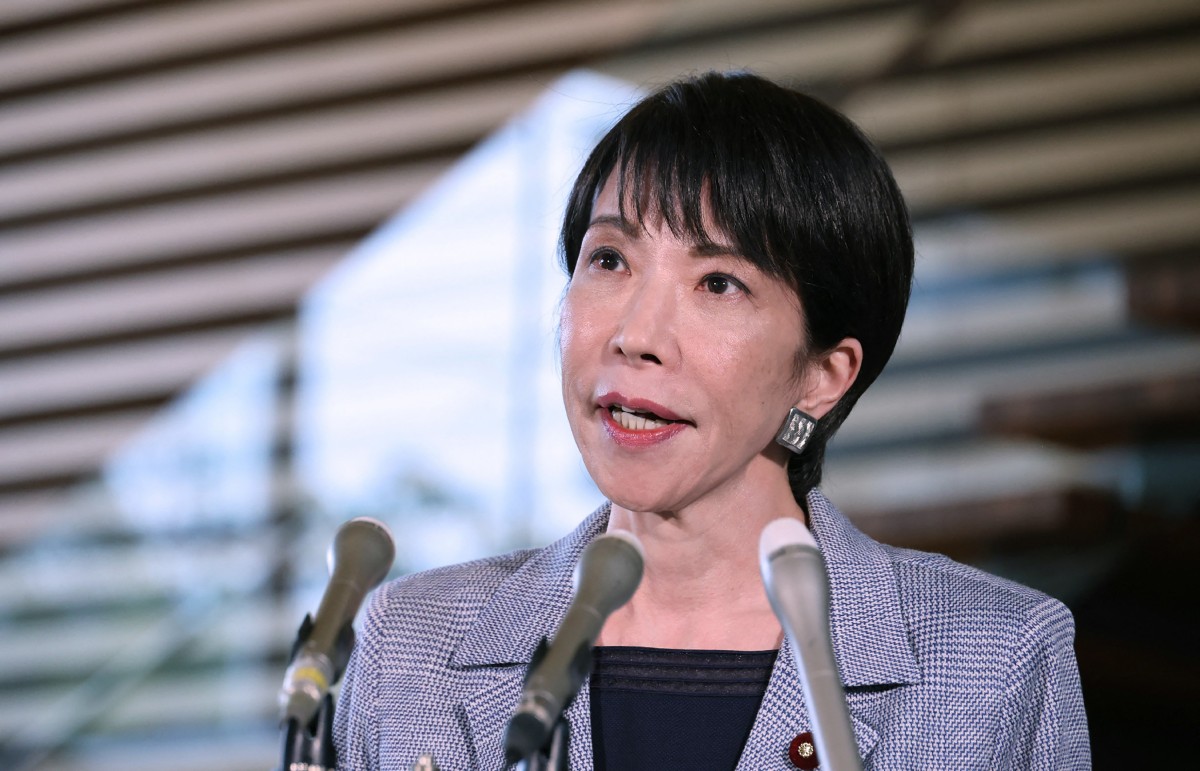
The Yasukuni Shrine visit that many observers expected did not happen. Japanese Prime Minister Sanae Takaichi stayed away on Saturday as Japan marked the 81st anniversary of its surrender in the Second World War — a decision widely read as an effort to protect relations with Beijing and Seoul.
But absence from the shrine did not translate into acknowledgment of the past. In her address, Takaichi made no reference to Japanese wartime conduct in Asia and offered no apology.
What She Said, and What She Left Out
Takaichi mourned those killed in Hiroshima, Nagasaki and Okinawa, along with those who died on overseas battlefronts, thanking them for sacrifices she described as the foundation of Japan’s present peace and prosperity.
She stated that Japan has consistently contributed to global peace since the war ended and pledged that the tragedy would never be repeated. She positioned the country as a dependable nation capable of playing a significant role in addressing shared regional and global challenges.
Absent from all of it: any mention of atrocities committed across Asia, or of remorse for them.
Her Cabinet Went Anyway
While the prime minister stayed away, others did not.
Defense Minister Shinjiro Koizumi visited Yasukuni on Saturday morning, alongside another Cabinet minister and three executives from the governing Liberal Democratic Party.
Koizumi has attended regularly on August 15 and other occasions. His visit carries added weight now, given that he serves in a hawkish government pushing to expand military capability and weapons exports. The last defense minister to visit was Minoru Kihara in 2024, who now serves as chief secretary and top government spokesperson.
Japan’s Defense Ministry bars group visits by Self-Defense Forces personnel on constitutional grounds separating religion and state. Koizumi said in October that paying respect to those who died for their country is natural anywhere in the world. He declined to comment Saturday, walking past waiting journalists.
He is the son of former Prime Minister Junichiro Koizumi, whose own visit as a sitting leader in 2006 provoked significant anger from China.
Offerings in Her Place
Three LDP executives prayed together at the shrine and presented offerings on Takaichi’s behalf — an unusual joint appearance widely interpreted as compensating for her absence while reassuring her right-wing base.
Party secretary-general Shunichi Suzuki said he prayed while holding the prime minister’s thoughts for the war dead in mind, and that he delivered her cash offerings in her capacity as party leader.
That base matters to her at the moment. Her support is reportedly falling quickly, attributed to delayed economic measures addressing rising prices and to several controversies, including allegations involving negative campaign videos and unpopular changes to imperial succession rules.
Takaichi has not visited Yasukuni since assuming office but has sent offerings twice for the shrine’s biannual festivals.
Why the Shrine Is Contentious
Yasukuni honors Japan’s war dead, but it also enshrines individuals convicted as war criminals — added in 1978 and designated as martyrs. That inclusion is why visits by senior Japanese officials are read across the region as a refusal to reckon with the past rather than as ordinary commemoration.
The Emperor’s Different Register
Japanese emperors have not visited the shrine since that 1978 addition, and their public language differs noticeably from the government’s.
Emperor Naruhito, speaking Saturday at Budokan hall, said he hoped the devastation of war would never recur while reflecting on the past and holding feelings of deep remorse. He expressed his sincere wish that memories of suffering endured during and after the war continue to be passed down.
That phrasing — reflection, remorse, continued remembrance — is carefully calibrated, but it exists. It was not echoed from the podium by the prime minister.
Regional Reaction
China’s Foreign Ministry lodged a protest over the shrine visits, saying the true intent of Japanese politicians was to overturn the verdict on war criminals, conceal war crimes, distort historical fact and clear the path for accelerated militarization. It called on Japan to undertake serious soul-searching and break cleanly with militarism.
Relations have been strained since November, when Takaichi said a Chinese attack on Taiwan could constitute a survival-threatening situation for Japan requiring the use of force — remarks that infuriated Beijing.
South Korean President Lee Jae Myung took a markedly softer line. He described his approach as pragmatic diplomacy centered on national interests and said cooperation between the two countries is more important than ever. He added that the relationship being built must warmly illuminate those still suffering in the shadows of history.
The Revisionist Current
Takaichi’s silence is consistent with her record. She has resisted acknowledging Japanese wartime aggression and atrocities, and has denied that coercion was used against Korean laborers or against women held as sex slaves for Japanese troops. She previously took part in efforts to strip references to wartime sexual slavery from school textbooks.
Her stated position is that she belongs to a postwar generation bearing no responsibility for what came before, and that she does not intend to apologize.
This sits within a broader shift dating to the 2010s under former Prime Minister Shinzo Abe, who campaigned against what he called a self-deprecating view of Japanese history and sought to restore national pride. Takaichi regards Abe as a mentor.
Since 2013, Japanese prime ministers have stopped issuing apologies to Asian victims, following the precedent Abe established. Last year offered a partial exception: former Prime Minister Shigeru Ishiba expressed remorse over the war and called it a mistake, though he too stopped short of naming Japan’s aggression across Asia or apologizing.
The Balance She Attempted
Saturday’s choices amount to a calculated split. By skipping the shrine, Takaichi avoided handing Beijing and Seoul a direct provocation. By sending offerings through party officials and letting her defense minister attend, she preserved her standing with nationalist supporters.
Whether that balance holds is another question. China protested the visits regardless of her absence, and her speech gave neighbouring capitals nothing new to work with.
Author
-
Lucienne Albrecht is Luxe Chronicle’s wealth and lifestyle editor, celebrated for her elegant perspective on finance, legacy, and global luxury culture. With a flair for blending sophistication with insight, she brings a distinctly feminine voice to the world of high society and wealth.