The California Glock ban law has become the latest flashpoint in the ongoing battle between the federal government and the nation’s most populous state, as the Trump administration filed suit against California on Wednesday. Just hours after the new restrictions took effect, the U.S. Department of Justice argued that the state had overstepped constitutional boundaries by limiting the sale of certain handguns, setting up yet another high-profile legal clash.
What the Lawsuit Seeks
At its core, the federal case aims to stop California from enforcing a law that restricts where most Glock and Glock-style pistols can be sold. The Justice Department is asking a federal court to block the measure entirely, filing its complaint in the U.S. District Court for the Central District of California.
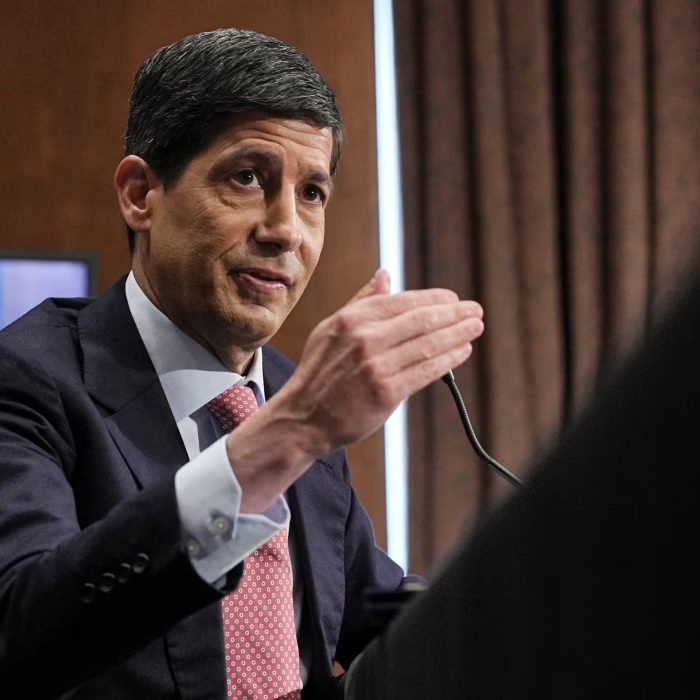
The lawsuit reaches further than the new law alone. It also targets key portions of California’s long-standing handgun roster, the official list that determines which firearms residents are legally permitted to buy. Acting Attorney General Todd Blanche framed both policies as an assault on the rights of ordinary, law-abiding citizens.
Blanche described the Second Amendment as a sacred right belonging to every American, including those living in California. He argued that the state simply cannot outlaw what he called the most popular handgun in the country.
Understanding the Law Itself
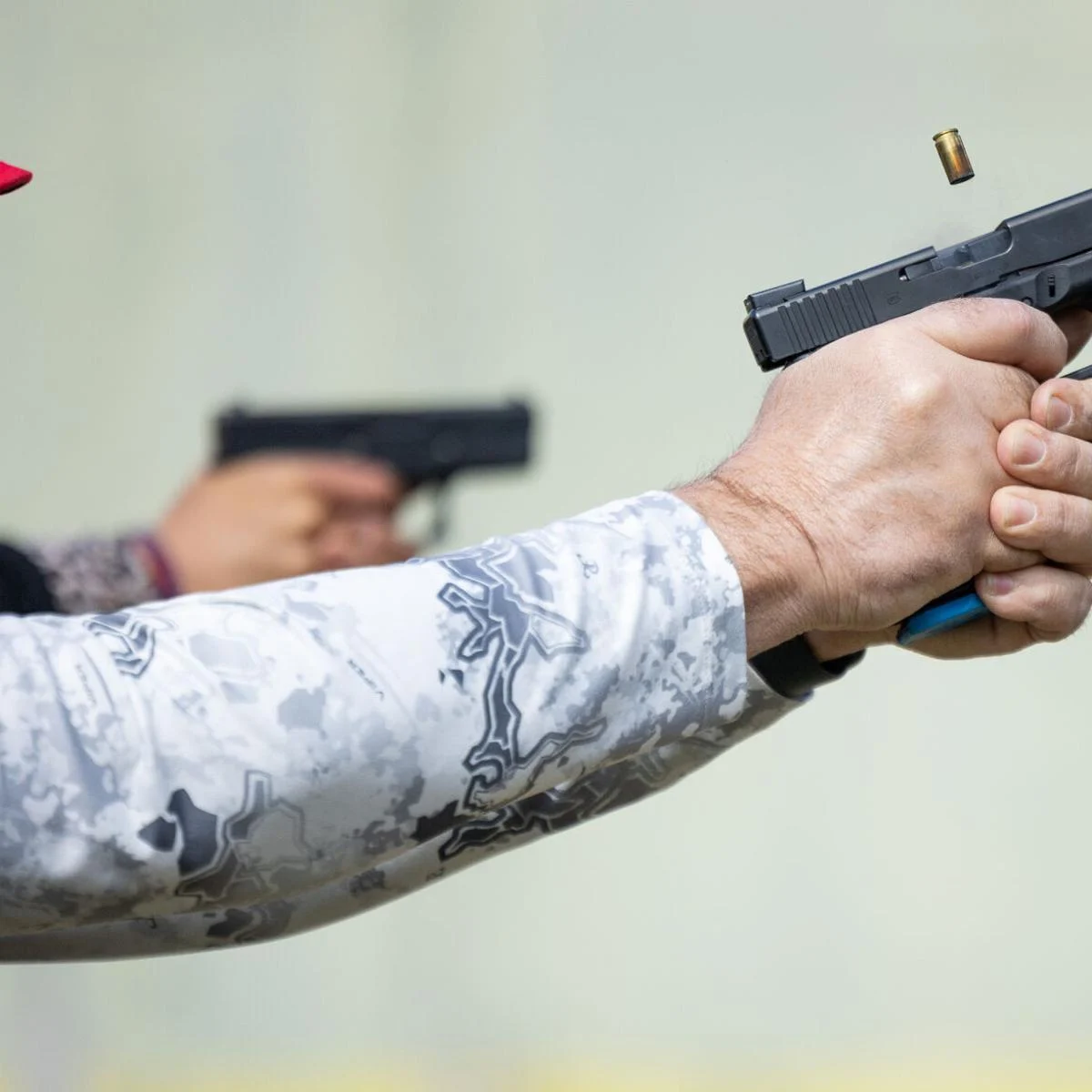
Despite being widely dubbed the Glock ban, California’s Assembly Bill 1127 never actually names the brand. Instead, it goes after any handgun built with a particular mechanism that can be easily modified using an illegal black-market device.
These small attachments, commonly known as Glock switches, are the real concern. Once installed, they transform a standard semiautomatic pistol into a weapon capable of unleashing a devastating rate of fire, roughly 20 rounds every second with a single pull of the trigger.
The problem has grown more urgent because of technology. The rise of 3D printing has made these conversion devices cheap and easy to manufacture at home. Federal authorities reported recovering more than 11,000 of them from crime scenes between 2019 and 2023. The devices have also surfaced in several mass shootings, including a 2022 attack in Sacramento that left six people dead and a dozen more wounded.
Importantly, the law does not strip current owners of firearms they already possess. It also carves out exemptions for:
- Licensed gun dealers
- Law enforcement agencies
- Military organizations
California Digs In
Governor Gavin Newsom, who signed the bill into law back in October, has consistently linked the state’s firearm regulations to its falling crime rates and declining gun deaths. His office made clear it has no intention of backing down.
A spokesperson for the governor, Diana Crofts-Pelayo, accused the Trump administration of once again attempting to tear apart California’s commonsense gun safety measures. Her response was blunt, insisting that these laws ultimately save lives.
The Federal Argument
The Justice Department’s complaint rests on a straightforward claim: California should not be allowed to ban legal semiautomatic handguns simply because someone could illegally modify them. The government pointed out that both state and federal law already prohibit the conversion devices themselves.
To illustrate the point, federal attorneys drew a pointed comparison. Banning these pistols because they might be altered, they argued, is like outlawing ordinary shotguns just because someone could illegally saw them down to a shorter, more dangerous length.
The suit does not stop at the new law. It also revives scrutiny of California’s decades-old handgun roster, which forces new handgun models to pass safety testing before they can hit store shelves. A federal judge had already tentatively blocked parts of those roster requirements in a separate 2023 case, a decision currently under appeal before the 9th Circuit. That earlier challenge came from the California Rifle & Pistol Association and other gun rights groups, following a landmark 2022 Supreme Court ruling that reshaped how courts evaluate firearm restrictions.
An Unusual Legal Strategy
One of the more striking aspects of the case is the legal tool the administration chose to wield. The government is leaning on a federal civil rights statute typically reserved for police departments accused of repeated constitutional abuses.
The reasoning goes like this: because California Attorney General Rob Bonta and state Justice Department agents qualify as peace officers, the administration contends they violate gun owners’ constitutional rights every time they enforce the handgun restrictions. It is an aggressive interpretation designed to hold state officials directly accountable.
Under the standards set by the 2022 Supreme Court decision, the administration wants a judge to declare California’s restrictions unconstitutional and to bar the state from enforcing them going forward.
A Track Record of Resistance
Bonta, who is named directly in the lawsuit, brings a formidable record to the fight. He has repeatedly prevailed in legal battles against the Trump administration, reportedly securing at least 12 final court rulings along with more than 35 preliminary injunctions or emergency orders.
His office responded with characteristic confidence, framing the state’s approach as a national model. According to Bonta’s team, California’s gun safety laws have helped push firearm death rates to record lows and offer a blueprint for curbing gun violence across the country. The office said it would review the complaint carefully and respond appropriately in court.
What Comes Next
The lawsuit sets the stage for a prolonged and closely watched legal showdown, one that touches on some of the most contentious questions in American law. At the heart of the dispute lies a fundamental disagreement about how far a state can go in regulating weapons that are legal to own but dangerously easy to modify.
For California, the case represents a defense of policies its leaders credit with saving lives. For the Trump administration, it is a stand on behalf of what it views as a constitutional right under threat. With a judge now set to weigh these competing arguments, the outcome could carry consequences far beyond California’s borders, potentially shaping the national conversation over gun regulation for years to come.
Author