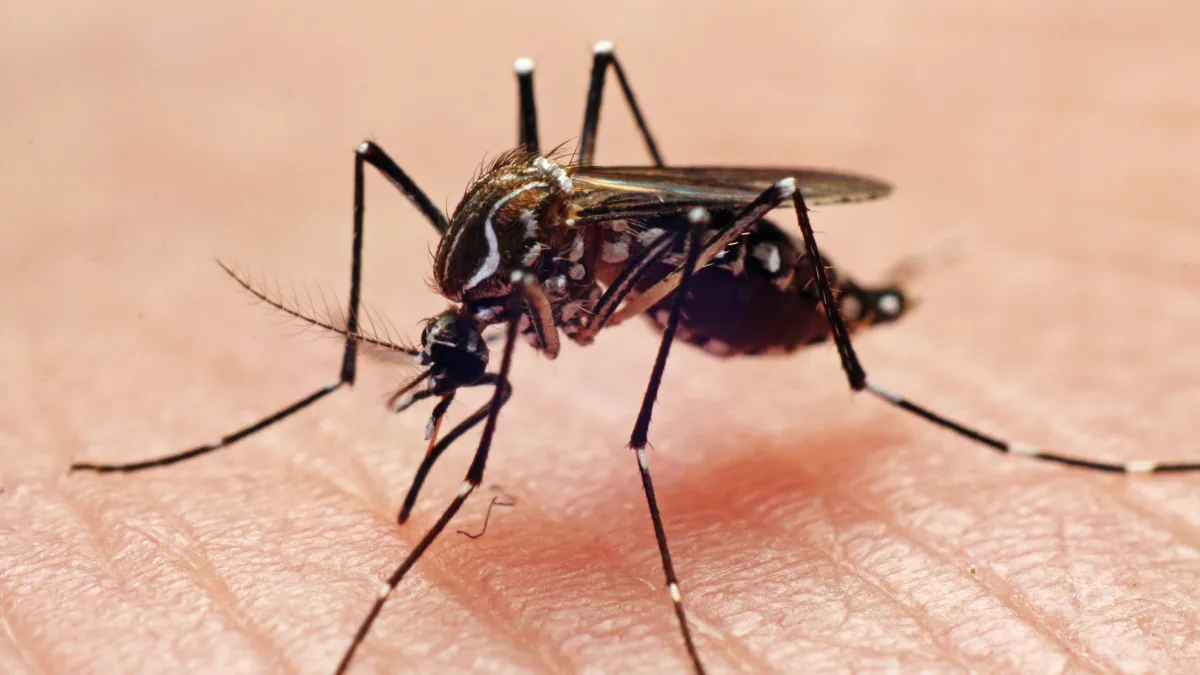
West Nile virus in Chicago is back on the radar, with city health officials confirming the first detection of West Nile-positive mosquitoes this year. The Chicago Department of Public Health announced the finding on Friday—an early-season reminder for residents to take mosquito bites seriously.
The good news so far: no human cases have been reported.
What Officials Found
Mosquitoes can transmit the potentially serious virus to humans through bites, but according to a city health department news release, no human cases of West Nile have surfaced in Chicago this year.
The detection follows a broader trend across the state. Back in mid-May, Illinois’ health department reported that West Nile-positive mosquitoes had already been found elsewhere in the state.
It’s worth keeping the risk in perspective. Most mosquitoes do not carry the virus, and the chance of infection through a bite is highest from June through October, during peak mosquito season, according to the Centers for Disease Control and Prevention.
Understanding the Symptoms
For most people, a West Nile infection passes quietly. The majority of those infected never feel sick at all. But the virus can still pose a real threat:
- About 1 in 5 people develop a fever and flu-like symptoms
- Roughly 1 in 150 people develop severe illness, most often those over 55 with weakened immune systems
Symptoms typically appear two to six days after a bite from an infected mosquito and can include fever, headache, body aches, vomiting, diarrhea and rashes, per the CDC. While most people with mild illness recover fully, fatigue and weakness can linger for weeks or even months. In severe cases, the virus can affect the central nervous system, leading to hospitalization or death.
Why Prevention Is Key
Perhaps the most important point: there are no licensed medications or vaccines to prevent or treat West Nile virus, according to both the CDC and the Chicago Department of Public Health. That makes avoiding mosquito bites the single best line of defense.
“One of the best ways for Chicagoans to have a safe and healthy summer is by protecting themselves from mosquito bites,” said Dr. Janna Kerins, the department’s medical director.
How to Protect Yourself
The health department recommends several practical steps to reduce your risk:
- Use EPA-registered insect repellent according to the label instructions
- Wear long-sleeved shirts and pants outdoors between dusk and dawn
- Make sure window and door screens are free of holes
- Use air conditioning at home, when possible, to keep mosquitoes indoors at bay
- Keep grass and weeds short to eliminate hiding spots
- Empty standing water from items like flowerpots and birdbaths once a week
That last tip matters more than it might seem, since even small amounts of standing water can become breeding grounds for mosquitoes.
The City’s Defense Plan
Chicago isn’t leaving the response to residents alone. The Department of Public Health says it runs a “robust program to prevent and control” West Nile virus.
That effort includes treating more than 80,000 catch basins—specialized storm drains that collect surface water—with larvicide, along with weekly mosquito collection and testing, spraying to kill adult mosquitoes, and monitoring for infections in humans.
As summer ramps up and mosquito season hits its peak, the early detection serves as a timely nudge: a few simple precautions now can go a long way toward keeping the season safe and bite-free. Residents looking for more information can find resources through both the Chicago Department of Public Health and the CDC.
Author