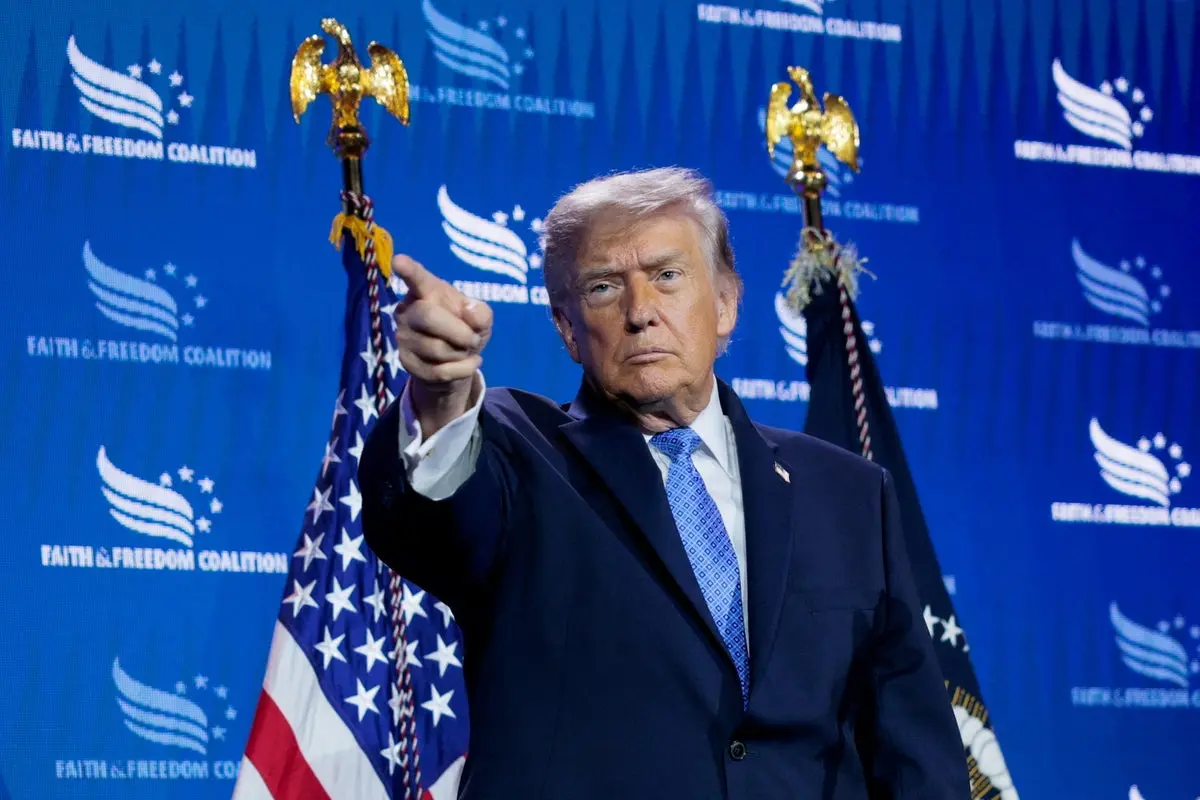
Trump crypto earnings have ignited a wave of public anger, as new financial disclosures reveal the president has pulled in more than $1bn from his digital currency ventures since returning to the White House. The staggering figure, surfacing amid ongoing questions about conflicts of interest, has left many Americans frustrated, disillusioned, and worried about the direction of the country.
A Fortune Built During His Presidency
According to a lengthy 927-page document released Tuesday by the US Office of Government Ethics, the president earned more than $2.2bn over the past year. His income flowed from a sprawling global network of holdings, ranging from real estate and golf courses to royalty agreements and branded merchandise, including a Trump-labeled cologne. He also collected tens of millions through various court settlements.
The crypto piece of that fortune has drawn particular scrutiny. Since the start of his second term, Trump and his family have poured resources into digital money ventures. Early last year, he declared his ambition to turn the United States into the “crypto capital of the world.”
Much of the earnings came through two businesses, World Liberty Financial and CIC Digital LLC. These enterprises sell so-called governance tokens as well as novelty memecoins stamped with the president’s image, together generating roughly $1.1bn. Critics argue that these arrangements amount to selling access to the presidency itself.
The White House Pushes Back
Facing mounting criticism, the administration has firmly denied any wrongdoing. A White House spokesperson insisted that neither the president nor his family had ever engaged in, or would ever engage in, conflicts of interest.
Trump himself dismissed the concerns during a television appearance. He framed his wealth as the natural result of business acumen, describing himself as a highly capable businessperson who has always made money. He added that his son Eric manages his business affairs and claimed he does not discuss such matters personally.
Americans Speak Out in Frustration
When asked to share their reactions to the president’s expanding fortune, more than 400 Americans responded with a mix of outrage, disgust, and despair. Again and again, they contrasted Trump’s soaring wealth with their own daily struggles against rising inflation and the climbing cost of living.
Gregg Savajian, a 72-year-old veteran in Washington state, called the situation an insult to working-class Americans and described it plainly as a grift. He admitted he felt genuinely fearful about the nation’s future.
For many respondents, the issue came down to a perceived absence of accountability. Kathe Rhoades, a retired technical writer from Massachusetts, argued that Trump seems interested in only two things: himself and money. She expressed bewilderment that no laws appear to prevent a president and his family from profiting through questionable dealings both at home and abroad.
Brad Windsor, a 70-year-old retired firefighter from California who registered as an independent, echoed those concerns. He labeled the arrangement blatant corruption and urged Congress to make such conduct illegal.
The Squeeze on Everyday Families
A recurring theme among respondents was the painful gap between presidential riches and ordinary financial hardship.
Daniel Oberhauser, a 47-year-old government worker in Minnesota, described the president’s ballooning fortune as depressing and exhausting. Even considering himself fortunate and middle class, he said he was still counting pennies while watching his president earn billions.
Younger Americans voiced similar dismay. Jay Deshpande, a 22-year-old student searching for work, said the earnings reflected a level of corruption and greed that, in his view, defines this presidency. He felt Trump had repeatedly shown he was in it for himself rather than the people he promised to serve.
Concerns extended into healthcare as well. Mark Boettcher, a 60-year-old pediatrician in Wisconsin, said frustration over the healthcare system and broader administration policies pushed him to retire early. He found the contrast between Trump’s extreme wealth and families struggling to afford care to be obscene, calling it an embarrassment that the system allows such exploitation.
A Sense of Broken Promises
For several respondents, the anger was rooted in a feeling of betrayal.
Andrea Jacoby Brandy, a 67-year-old grandmother from Ohio, described the president as greedy and cruel for amassing billions while supporting cuts to healthcare. She called the notion of profiting from the government he oversees disgusting.
Millie, a substitute teacher in Colorado, viewed Trump’s conduct as typical of what she called the billionaire caste. In her view, he remains indifferent to affordability and the financial realities facing the very people who elected him.
Worries About Democracy Itself
Beyond personal finances, some Americans expressed deeper fears about the health of the nation’s institutions.
Linda Stuart, a 73-year-old retired science educator in Texas, questioned whether American democracy could withstand the widening gulf between the wealthy and everyone else. As families struggle with bills, gas, rent, and insurance, she found it sickening to watch the president and his family enrich themselves.
Laurie Rivera, a librarian in New Mexico, worried about what kind of country the next generation would inherit. She feared her children were being handed a compromised democracy, sending a troubling message about the state of society.
A Voice From Trump Country
Perhaps the most striking testimony came from Elise, a 21-year-old medical student and self-described farm girl in Nebraska whose entire family voted for Trump. She said high gas and grocery prices, along with cuts to rural healthcare, had significantly harmed her loved ones.
She described how her father and brother struggled to access care following an accident and a mental health crisis. Against that backdrop, learning of the president’s massive profits left her deeply embittered. She insisted her family was far worse off than before, and accused the president of profiting from their pain while showing no concern for rural Americans facing shortages of doctors, food, or fuel.
A Nation Divided Over Wealth and Power
Taken together, these voices paint a portrait of a public grappling with unease. For many, the revelation of Trump crypto earnings crystallizes broader anxieties about greed, fairness, and accountability at the highest levels of government.
While the White House maintains there is nothing improper about the president’s business success, a significant number of Americans clearly see things differently. As the cost of living continues to strain households across the country, the contrast between presidential fortune and everyday hardship appears likely to remain a source of frustration, and a flashpoint in the national conversation, for some time to come.
Author