The death of Iran’s slain supreme leader has plunged the nation into an intense period of public mourning, drawing tens of thousands into the streets of Tehran while raising urgent questions about the country’s uncertain future. As grief mingled with anger, chants demanding vengeance filled the air, revealing a nation grappling with both loss and instability. Yet beneath the emotional displays lay deeper tensions, from a mysteriously absent successor to lingering resentment over decades of repression.
A City Consumed by Grief
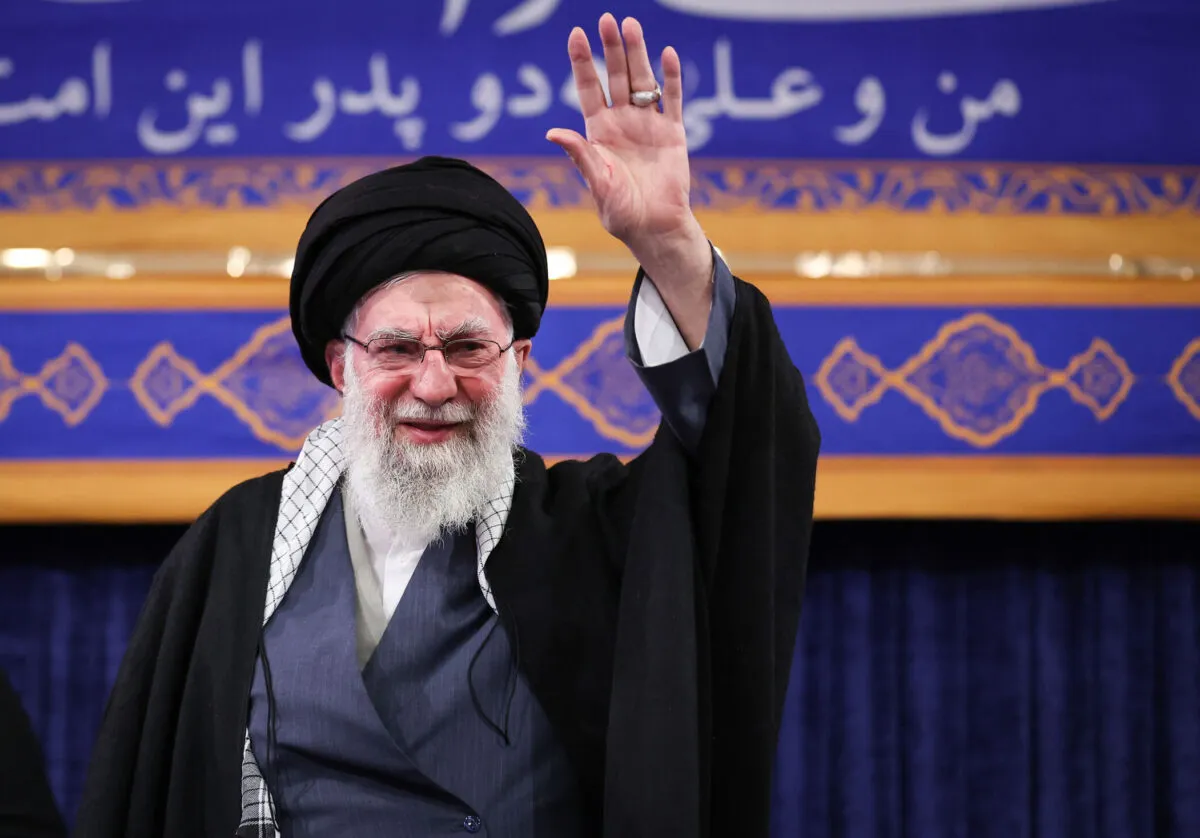
On Sunday, Tehran became the epicentre of a massive outpouring of emotion. Enormous crowds, including many of Iran’s most senior officials, gathered for funeral prayers honouring Ayatollah Ali Khamenei, the supreme leader whose death has reshaped the nation’s political landscape.
The atmosphere was charged with sorrow and fury in equal measure. As mourners packed the streets, many raised their voices in unison, chanting calls for revenge. It was a striking scene, one that captured the raw intensity gripping the country during this pivotal moment.
The Mysterious Absence of the Successor
Amid the sea of grieving faces, one figure was conspicuously missing. Mojtaba Khamenei, the late leader’s son and chosen successor, was nowhere to be seen.
His absence has grown increasingly difficult to ignore. Since taking over from his father, who was killed at the start of the U.S.-Israeli conflict with Iran in late February, the new leader has remained entirely out of public view.
In a political system where carefully staged appearances often signal strength and stability, this prolonged disappearance carries enormous weight. It has sparked widespread speculation about several pressing concerns, including:
- His physical health and whether he sustained injuries during the attacks.
- The internal stability of Iran’s leadership at a fragile moment.
- The broader direction of the country’s political future.
Reports suggest the new leader has been sheltering in a bunker, with limited communication reaching the outside world. Many believe he was wounded during the same strikes that claimed his father’s life, when Israeli and American forces bombed the family compound on the war’s opening day.
A Rare Display of Unity
The funeral also served a larger political purpose. It projected an image of solidarity among Iran’s leadership, following a turbulent stretch marked by bitter internal conflict.
In recent months, prominent officials had clashed openly over how to approach negotiations with the United States. The disputes turned vicious, with figures accusing one another of treason, delusion, and even plotting to seize power. Some were accused of manipulating or defying the new supreme leader entirely.
Against this backdrop, the unified show of mourning appeared designed to paper over those divisions, at least temporarily presenting a leadership standing together in shared grief.
Emotional Scenes at the Grand Mosalla
The heart of the ceremonies unfolded at the Grand Mosalla, a vast mosque complex that drew mourners long before sunrise. Many arrived carrying photographs of the fallen leader, while others held banners demanding that his death be avenged.
The turnout was so overwhelming that the mosque could not contain everyone. Crowds spilled outside, standing shoulder to shoulder beneath the punishing summer heat. Men and women stood side by side, parents beside their children, all united in collective mourning.
One particularly tense moment occurred when a powerful military figure emerged from the complex. As the head of the Islamic Revolutionary Guards Corps stepped into view, mourners dressed in black surged toward him, chanting for revenge. He offered a brief greeting before security personnel quickly ushered him away.
Voices of Devotion
For many attendees, the loss felt deeply personal. Some travelled great distances to pay their respects, transformed by grief into fervent admirers.
One mourner explained that he had flown all the way from Paris to take part in the commemoration. He described how the leader’s killing had elevated him from a political and religious figure into a martyr, a national symbol of conviction and resilience.
He spoke emotionally about the strength and cause that compelled him to make the journey, admitting he had shed tears that day. To him, the fallen leader represented someone who acted on his genuine beliefs, no matter the cost.
Four Decades of Sweeping Power
The magnitude of the mourning reflects the extraordinary influence the supreme leader wielded throughout his life. For nearly forty years, he dominated virtually every centre of power within Iran.
His authority spanned multiple dimensions of the nation’s life. Politically, he held final say over strategic decisions, military matters, and state institutions. Socially, his government maintained tight control through restrictions, state-run media, and cultural oversight. Religiously, he occupied the highest office in the Islamic Republic, seamlessly blending political command with clerical legitimacy.
His death was not his alone. Several members of his family, including his wife, daughter, and granddaughter, were also killed. A public procession carrying his body through Tehran was expected to draw yet another enormous crowd.
A City Transformed by Ceremony
For a second consecutive day, large portions of Tehran were reshaped by the solemn events. Streets were closed off, and security forces stationed themselves at nearly every major intersection.
The scale of organisation was immense. Volunteers handed out food and water, while misting stations sprayed cool vapour into the sweltering air to relieve the densely packed crowds filling squares and sidewalks. The entire capital seemed to bend around the rituals of mourning.
The Shadow of Repression
Yet not everyone views the late leader’s legacy through a lens of reverence. For many Iranians, his rule remains inseparable from a long history of harsh crackdowns on dissent.
Over the years, security forces repeatedly met protests with brutal force. Among the most devastating examples were demonstrations sparked by economic hardship, during which human rights groups say officials killed thousands of people. These memories cast a long shadow over the public displays of grief.
Critics were quick to point out that mourning should not erase this painful past. One doctoral student, speaking anonymously out of fear of retaliation, offered a pointed critique. She argued that although the government claimed the title of a republic, its actual rule bore none of the hallmarks of genuine republicanism.
A Disconnect Between Spectacle and Reality
That same critic highlighted a jarring contrast between the elaborate ceremonies and the struggles of ordinary citizens. While authorities distributed food and water and orchestrated grand public displays, much of the country continues to face serious hardships.
Iran remains burdened by persistent electricity shortages and severe drought. In her view, the resources clearly exist, but they are reserved almost exclusively for those within the ruling inner circle. For many, this disconnect only deepened feelings of frustration and inequality.
A Nation at a Crossroads
As the mourning continues, Iran finds itself standing at a precarious crossroads. The death of a leader who shaped the country for four decades has left a profound void, one filled with uncertainty, grief, and simmering tension.
The absence of his successor only intensifies the sense of instability, leaving questions about leadership and direction unanswered. Meanwhile, the divide between those who mourn a martyr and those who remember an oppressor reveals a nation deeply divided over its own identity.
Whatever comes next, this moment marks a turning point in Iran’s story. The cries for revenge echoing through Tehran signal not just grief, but a volatile chapter still unfolding, one whose outcome could reshape the region for years to come.
Author