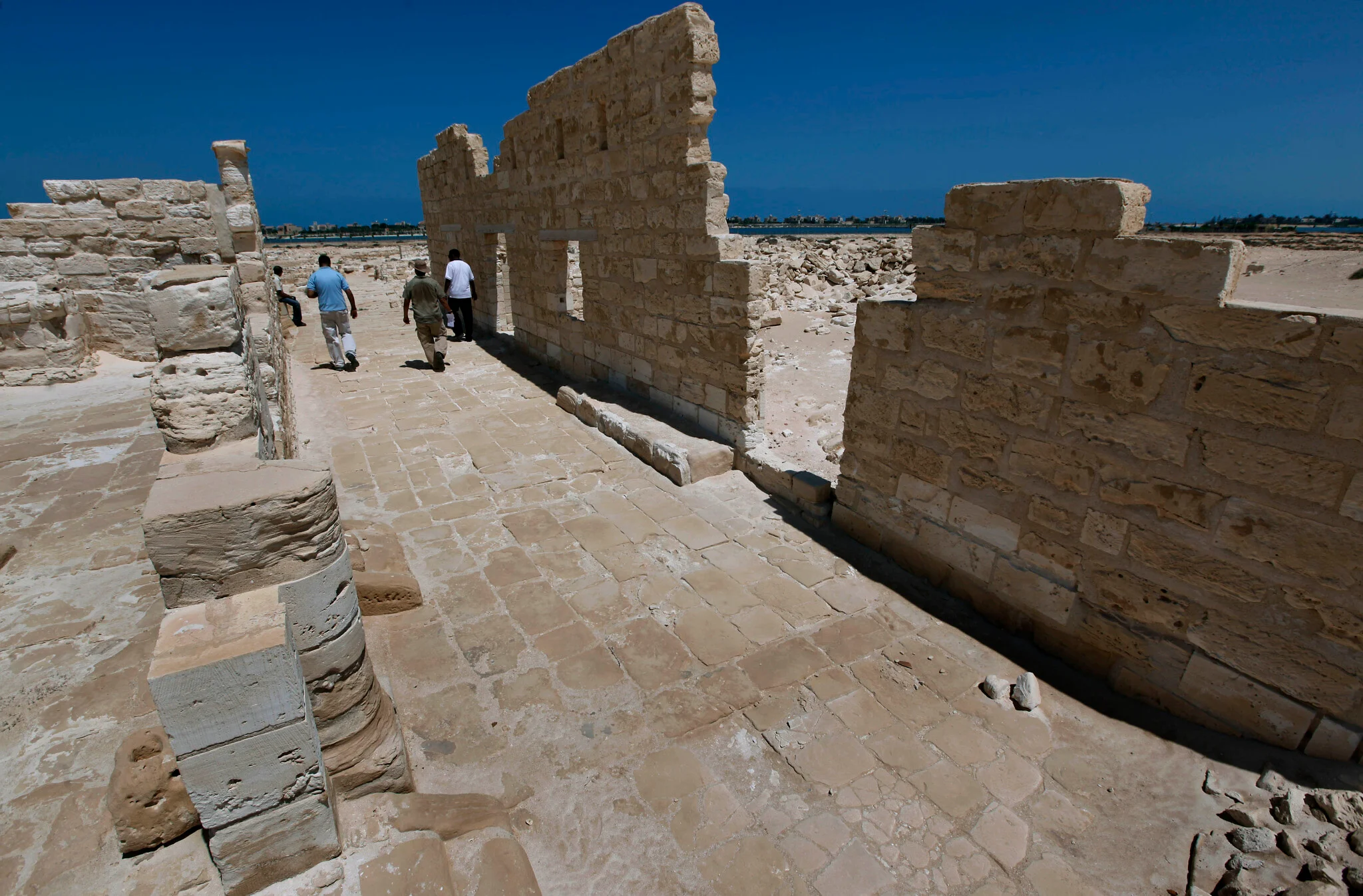
The discovery of a lost Byzantine-era city buried beneath Egypt’s western desert has captured the imagination of historians and travellers alike. Announced by Egyptian authorities on Saturday, this remarkably well-preserved residential settlement stands as one of two major archaeological breakthroughs revealed on the same day. Together, these finds offer a rare and vivid window into life thousands of years ago, while also promising to breathe fresh energy into the nation’s treasured tourism industry.
Two Remarkable Finds in a Single Announcement
Egypt’s rich history continues to surprise the world, and this latest revelation is no exception. The two discoveries emerged from separate locations, one at the Dakhla Oasis deep in the western desert, and another at the Marina el-Alamein site near the coastal city of Alexandria.
Both sites hold immense historical value. For a country that relies heavily on its ancient wonders to attract visitors, these findings represent far more than academic curiosity. They are a potential boost to an economy that leans on antiquities tourism as a vital source of income.
A Glimpse Into Byzantine Daily Life
The first discovery, the lost Byzantine city, offers extraordinary insight into how people lived, worked, and organised their communities during the fourth century. At that time, Egypt formed part of the sprawling Byzantine empire, and this settlement captures the rhythms of everyday existence.
According to officials, the city was carefully planned and thoughtfully constructed. Its layout revealed a sophisticated understanding of urban design, complete with organised streets and communal spaces where residents once gathered.
The unearthed quarters featured several notable elements, including:
- North-to-south thoroughfares crossed by east-to-west streets.
- Open squares and public spaces woven throughout the settlement.
- Two watchtowers positioned to protect the city’s outskirts.
- A basilica church dating to the mid-fourth century standing proudly at the settlement’s head.
This combination of religious, residential, and defensive structures paints a detailed picture of a thriving community that valued both faith and security.
Homes, Ovens, and Everyday Treasures
Beyond the grand architecture, archaeologists uncovered intimate traces of ordinary life. The site included a heavily fortified structure with thick defensive walls, alongside numerous houses featuring reception halls and elegant vaulted roofs.
One particularly fascinating find was the home of a man named Tisous, identified as a church deacon. Dating to the latter half of the fourth century, experts believe this residence may have functioned as a house church before the city’s main basilica was built.
Signs of daily routine were everywhere. Researchers discovered bread ovens, kitchens, and stone grinding tools that were clearly used to prepare food. These humble objects bring the ancient inhabitants to life, reminding us that they cooked, worked, and lived much as people do today.
Coins and Ancient Notes
Among the most striking artefacts were the coins that surfaced during the excavation. Archaeologists found well-preserved bronze coins bearing the portraits of Byzantine emperors, adorned with Latin inscriptions and Christian symbols.
Even more impressive was a collection of gold coins dating to the reign of a Roman emperor who ruled during the mid-fourth century. Such finds offer valuable clues about the economic activity and political connections of the era.
Perhaps most captivating of all was a collection of roughly 200 pottery fragments used as writing material. Known as ostraca, these pieces contained inscriptions detailing commercial transactions, personal correspondence, and glimpses of daily affairs. In essence, they served as the notepads of their time, recording everything from private letters and shopping lists to copies of literary works.
A Site on the Verge of Global Recognition
The Dakhla Oasis, located in Egypt’s western New Valley province, holds special significance beyond this discovery. It currently sits on a prestigious tentative list, placing it just one step away from earning a coveted spot on the world heritage roster.
This recognition would further elevate the site’s profile and draw even greater attention from scholars and tourists around the globe. The latest findings only strengthen its case for such an honour.
Ancient Tombs Carved Into Rock
The second major discovery unfolded at the Marina el-Alamein site, situated roughly 62 miles west of Alexandria along Egypt’s northern coast. Here, archaeologists uncovered 18 ancient tombs, adding to the growing collection already documented at the location.
These newly found tombs came in two distinct forms:
- Eleven rock-cut tombs, averaging an impressive depth of around 26 feet.
- Seven surface tombs built from limestone.
With these additions, the total number of tombs discovered at the site has now reached 48. Within them, researchers found an array of artefacts, including pottery vessels, amphorae, lamps, plates, altars, and limestone basins.
Sarcophagi, Sphinxes, and Golden Tongues
Some of the most intriguing discoveries at Marina el-Alamein involved elaborate burial practices. The mission chief revealed the finding of an eight-foot-long granite sarcophagus containing skeletal remains that are still under careful study.
Near this sarcophagus lay the remains of a plaster sphinx statue, hinting at the artistic and cultural sophistication of those who once inhabited the region. Yet perhaps the most extraordinary detail involved a unique funerary custom.
Archaeologists discovered four gold pieces placed inside the mouths of some of the deceased. Known as the golden tongue, this practice was tied to the spiritual and funerary beliefs of the time, reflecting a deep concern for the afterlife.
A City Lost to the Sea
The history of Marina el-Alamein itself is as dramatic as its treasures. First unearthed decades ago, experts believe the site was once a bustling Greco-Roman port city. Built in the second century, it flourished for generations as wealthy merchants involved in the wheat and olive trade constructed grand villas there.
Tragically, this prosperity did not last. A devastating tsunami in the fourth century struck the region with tremendous force, nearly erasing the city entirely. Today, its ruins serve as a haunting reminder of both human achievement and nature’s overwhelming power.
Fuelling a Tourism Revival
These discoveries arrive at a promising moment for Egypt’s tourism sector, which has steadily rebounded after years of hardship. Political unrest and a global pandemic once dealt heavy blows to the industry, but recent figures paint an encouraging picture.
The country welcomed a record number of visitors last year, marking a significant increase over the previous period. Early data from the current year suggests this positive momentum is continuing, with tourist numbers climbing even higher.
For a nation where tourism and the strategic Suez Canal serve as major sources of foreign currency, such growth is invaluable. Each new archaeological marvel adds another compelling reason for travellers to explore Egypt’s timeless landscapes.
A Living Link to the Past
Ultimately, these twin discoveries do far more than enrich museum collections or attract tourists. They forge a powerful connection between the present and a distant past, allowing us to glimpse the lives, beliefs, and struggles of those who came before.
From the carefully planned streets of a Byzantine city to the golden-tongued burials of a coastal port, each find tells a story waiting to be understood. As excavations continue, Egypt’s western desert and Mediterranean shores promise to reveal even more secrets, ensuring that the wonders of this ancient land will continue to captivate the world for generations to come.
Author