Bundibugyo Virus Outbreak: Scientists Race to Build Vaccines and Treatments
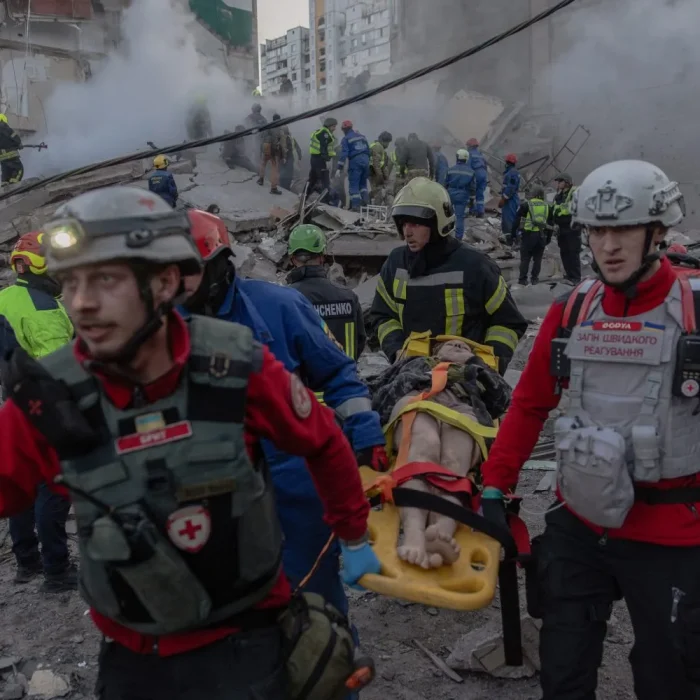
The Bundibugyo virus outbreak now unfolding across the Democratic Republic of Congo and Uganda has caught the medical world off guard. Once considered a minor player responsible for only two small flare-ups since 2007, this lesser known relative of the Ebola virus has suddenly become the driving force behind a rapidly expanding epidemic in Africa.
As cases climb, health workers on the ground are doing what they can. They are offering supportive care in the hope that some patients pull through on their own, isolating those who are sick, and carefully tracing everyone who may have come into contact with the infected. What’s painfully absent from this effort, though, are the two things that could truly turn the tide: effective vaccines and proven drugs.
Why Ebola Disease Is So Hard to Fight
Part of the problem comes down to a common misunderstanding. “Ebola” isn’t one single virus. When scientists talk about the Ebola virus, they’re referring to a species first identified back in 1976 in what was then Zaire. Since then, researchers have catalogued five additional viruses in the same family, and Bundibugyo virus is one of them.
Despite the differences, Bundibugyo produces the same terrifying illness. Patients develop sudden fevers, aching muscles, and relentless vomiting. In severe cases, the disease progresses to uncontrolled bleeding and swift organ failure, claiming a significant share of those infected.
Here’s the catch: nearly every major outbreak over the past five decades has been traced to the original Ebola virus. That long history is exactly why we now have one licensed vaccine and two approved treatments tailored to it, and almost nothing built specifically for Bundibugyo.
A Tale of Two Diverging Viruses
These two viruses parted ways from a shared ancestor millions of years ago, and they’ve been drifting along separate evolutionary paths ever since. That long separation explains the confusion doctors faced when patients began arriving at clinics with Ebola like symptoms back in April. The diagnostic tests in use were tuned to spot the genetic fingerprints of the more familiar Ebola virus, and only recently have clinicians gotten their hands on tools capable of detecting Bundibugyo.
Evolution has reshaped the surface proteins, called glycoproteins, that cover both viruses. These molecules act like grappling hooks, letting the virus grab onto cells and force its way inside.
When someone gets infected, their immune system fights back by producing antibodies that latch onto these glycoproteins and block the virus from entering cells. A strong enough response can help a person survive.
That defense mechanism is the foundation of vaccine design. The licensed shot, Erbevo, uses a harmless virus known as VSV that’s been engineered to display Ebola glycoproteins, coaxing the body into making protective antibodies. In 2014 trials, it delivered complete protection against the Ebola virus.
The trouble is that experts doubt it will hold up against Bundibugyo. Roughly a third of the building blocks in Bundibugyo’s glycoproteins differ from those on the Ebola virus.
“It’s just different enough on the surface that your immune system finds it to be a different thing,” explained Erica Ollmann Saphire, a virologist at the La Jolla Institute for Immunology.
Three Vaccine Candidates Enter the Race
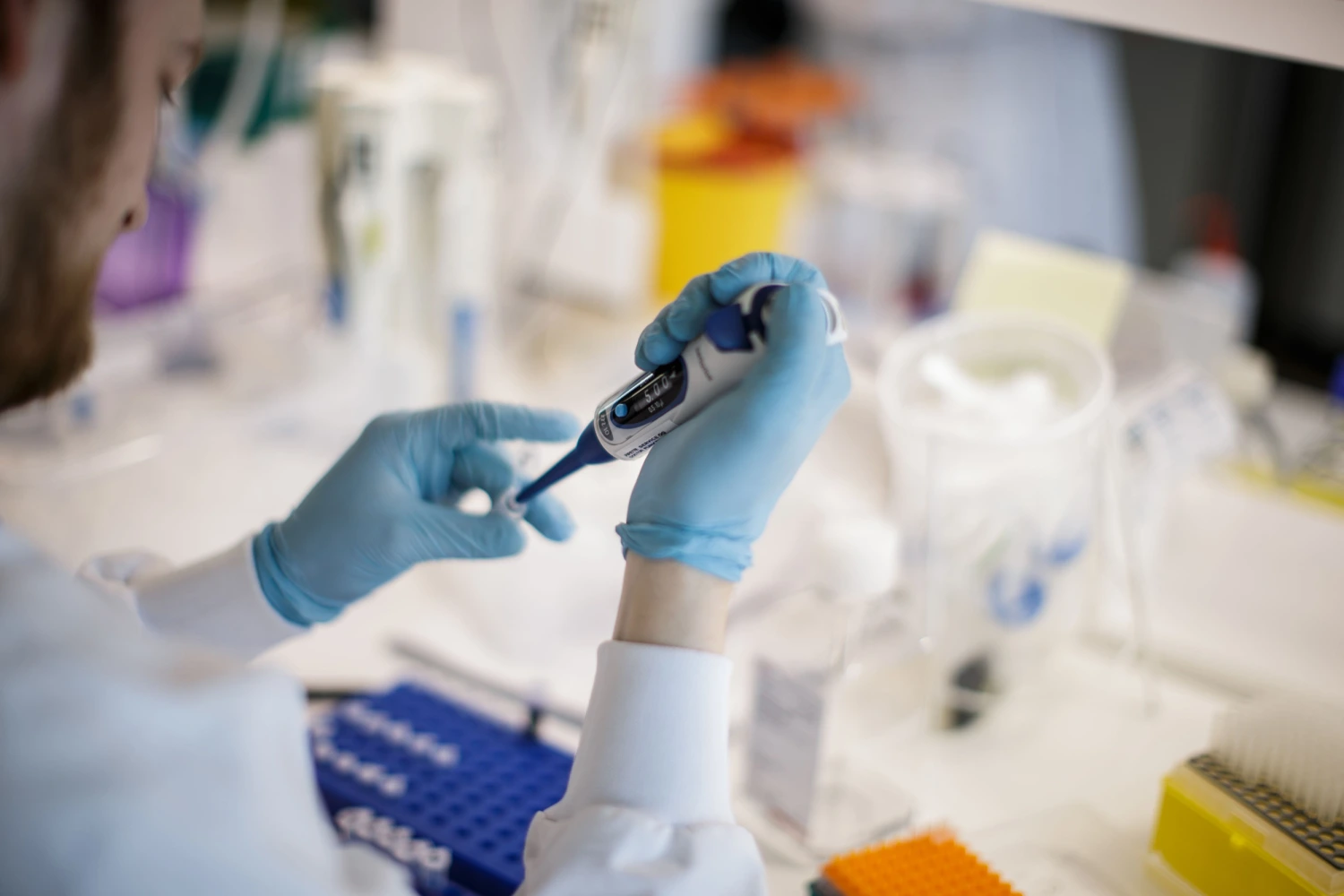
To break the current outbreak, doctors would need a vaccine proven to work against Bundibugyo specifically, and no such thing exists yet. This is precisely the gap that CEPI, a nonprofit backing pandemic countermeasures, wants to close. The organization is committing up to 61 million dollars to push three candidate vaccines toward clinical trials.
- The VSV approach (IAVI): Receiving up to 3.2 million dollars, this group already knows how to build VSV vaccines for related viruses like Sudan virus. A 2014 study testing a VSV vaccine against Bundibugyo in monkeys offered complete protection. The downside is speed, since growing the carrier virus can take months.
- The adenovirus approach (University of Oxford): Awarded up to 8.6 million dollars, the Oxford team is leaning on the same technology behind the AstraZeneca Covid vaccine, which is credited with saving more than six million lives in its first year. “In essence, we are building on what we have done before,” said Teresa Lambe, who leads the effort. With the Serum Institute of India already manufacturing it, trial ready doses could be available within one to two months, though animal testing against Bundibugyo still lies ahead.
- The mRNA approach (Moderna): With up to 50 million dollars on the table, Moderna is adapting the mRNA platform it used during the pandemic. These vaccines instruct our own cells to manufacture glycoproteins that trigger antibody production. A 2018 study found a Moderna mRNA vaccine fully protected guinea pigs against Ebola virus. “In terms of rapid development of a real countermeasure, this is the best step CEPI could take,” said virologist Alexander Bukreyev.
A separate nonprofit, Gavi, has also pledged 40 million dollars to help manufacture the leading candidates.
Treatments Already Within Reach
There’s better news on the treatment front. Doctors already have a way to help people fighting Ebola virus infections by injecting powerful antibodies known as monoclonal antibodies. Encouragingly, some of these also stick to Bundibugyo’s glycoproteins.
A WHO expert panel has recommended moving two of them into clinical trials: maftimivab, part of a three antibody cocktail from Regeneron, and MBP-134, an experimental drug from Mapp Bio. MBP-134 has already cured mice and guinea pigs of lethal Ebola infections and passed early safety trials in people, though it hasn’t yet been tested against Bundibugyo.
Not everyone is convinced these are the right picks. Dr. James Crowe of Vanderbilt called them less than ideal. His own team uncovered remarkably potent antibodies in survivors of the 2007 Bundibugyo outbreak, and a 2018 study showed they gave monkeys full protection. The frustration is funding. “I’ve fielded a lot of calls, but nobody has licensed them,” he said.
The Lesson Worth Learning
Researchers warn it will take months to know whether any of these tools actually work, but they’ll likely still matter, because the outbreak shows no sign of slowing.
The deeper takeaway, Dr. Saphire argues, is that the world keeps getting caught flat footed. Rather than scrambling only when a pathogen starts killing people, scientists could develop broad treatments that work across many related species ahead of time. “It just takes leadership, will, and the funding to do clinical studies,” she said.
Author