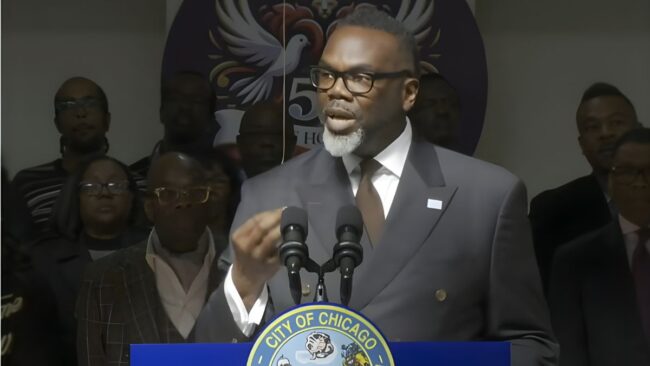
A push for a dedicated gun violence prevention department is gaining momentum in Chicago, where community members and faith leaders argue that a permanent, focused agency could help save lives. The proposal centers on creating a Department of Gun Violence Prevention designed to support community-based solutions and remain in place regardless of who occupies city hall.
The renewed call for action follows yet another violent weekend in the city, underscoring the urgency that advocates feel as summer gets underway. For supporters, the idea represents a structural commitment to addressing a problem that has long plagued Chicago’s neighborhoods.
The Vision Behind the Department
At its heart, the proposal aims to build something lasting rather than temporary. Advocates envision a department that would institutionalize gun violence prevention efforts, ensuring continuity even as political leadership changes over time.
The proposed department would take on several important functions, including:
- Helping inform policy decisions related to public safety.
- Identifying gaps in existing prevention efforts.
- Analyzing trends in violence across the city.
- Supporting evidence-based strategies that target the root causes and drivers of violence.
By focusing on data and proven approaches, supporters believe the department could move the city toward more effective, sustainable solutions rather than reactive measures.
Strong Backing From Community Leaders
The proposal has attracted support from a notable coalition of voices. Among those who have publicly endorsed the creation of the new department are Father Michael Pfleger, a well-known activist priest; Urban League CEO Karen Freeman-Wilson; and the city’s Deputy Mayor of Public Safety, Emmanuel Andre.
Their involvement signals that the effort spans both faith communities and civic organizations, reflecting a broad consensus that the current approach needs strengthening. With summer in full swing, these leaders are emphasizing the need to do more to combat violence during a season that historically sees elevated rates of shootings.
A Violent Weekend Sparks Urgency
The timing of the announcement is no coincidence. It follows a particularly devastating stretch of violence across Chicago.
On Friday night, at least 13 people were hurt in a mass shooting in the Princeton Park neighborhood. The weekend’s toll didn’t end there. Across the city, at least six people were killed in shootings over the same period. These incidents have intensified calls for a more coordinated and permanent response to the ongoing crisis.
For advocates, the bloodshed serves as a stark reminder of what’s at stake and why they believe a dedicated department is necessary rather than optional.
The Question of Funding
One of the central arguments from supporters is that the resources to address violence already exist within the city’s budget. Karen Freeman-Wilson pointed to existing spending, noting that nearly half of the city’s budget is devoted to community safety, with a significant portion already allocated to intervention efforts.
This framing suggests that the issue may be less about finding new money and more about organizing and directing existing funds more effectively. Supporters are calling for at least $100 million to be dedicated to the new department, a figure they believe would give it the capacity to make a meaningful impact.
A Political Flashpoint
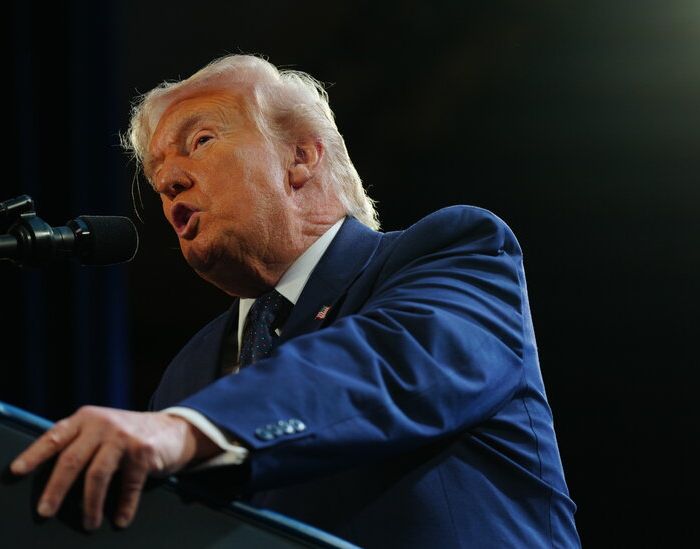
The conversation around Chicago’s violence has also drawn national attention, including a pointed exchange involving President Donald Trump. Over the weekend, Trump commented on the violence on Truth Social, questioning why Governor Pritzker wasn’t calling him for help and claiming he could make Chicago a safe city quickly if given the chance.
The remarks prompted a sharp response from Father Pfleger, who pushed back forcefully. He told the president to stop talking and instead send money, urging him to restore funding that had previously been taken away from gun violence prevention efforts.
ABC7 reached out to the governor’s office regarding Trump’s comments but had not received a response. The exchange highlights how deeply politicized the issue of urban violence has become, even as local leaders focus on practical solutions on the ground.
The Path Forward
The proposal appears to have support within city government as well. Some city council members attended Monday’s conference and expressed their backing for the ordinance. According to those officials, they plan to introduce the measure before the city council’s August recess.
This timeline gives advocates a clear window in which to build momentum and rally additional support. Whether the ordinance gains enough traction to pass remains to be seen, but its introduction would mark a significant step toward formalizing the city’s commitment to violence prevention.
What to Watch Going Forward
As the proposal moves toward the city council, several key questions will shape its prospects:
- Whether the ordinance secures enough support to pass before the August recess.
- How the proposed $100 million in funding would be sourced and allocated.
- Whether the department’s data-driven approach can demonstrate measurable results.
- How ongoing political tensions, including federal involvement, influence the debate.
The Bigger Picture
The push for a gun violence prevention department reflects a broader desire among Chicago’s community and faith leaders to address violence in a structured, lasting way. Rather than relying solely on emergency responses, advocates are seeking to build an institution capable of studying the problem, identifying solutions, and sustaining efforts across changing administrations.
With another violent weekend fresh in the city’s memory and summer raising the stakes, the proposal arrives at a moment of heightened urgency. Whether it ultimately becomes reality will depend on the coming weeks, as council members, advocates, and residents weigh how best to confront one of Chicago’s most persistent challenges.
This is a developing story, and further updates are likely as the ordinance moves through the city council. Given the serious nature of gun violence and its impact on communities, those affected may find it helpful to seek out local support resources as the city works toward solutions.
Author