A Major Outbreak Hits Military Trainees
The Lackland Air Force Base flu outbreak has emerged as a serious health concern, with more than 150 troops falling ill over the past three weeks. The timing has drawn particular attention, coming less than two months after Defense Secretary Pete Hegseth announced that American troops would no longer be required to receive an annual flu vaccine.
The scale of the outbreak has raised questions about military health policy and the consequences of rolling back long-standing vaccination requirements.
Inside the Outbreak
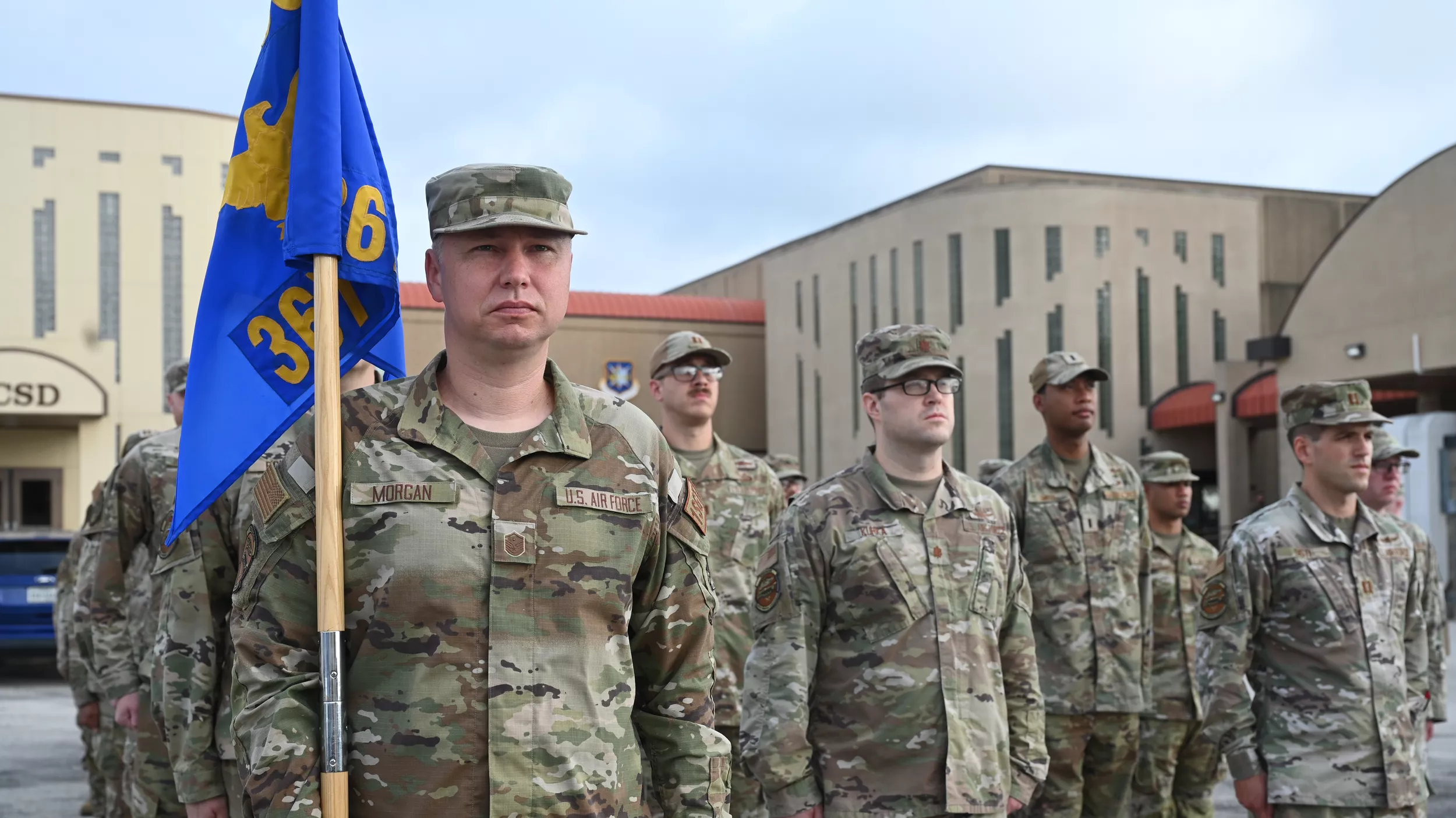
The Air Force confirmed the situation in a statement on Thursday, explaining that the 37th Training Wing at Lackland had been managing a localized influenza outbreak among trainees in Basic Military Training.
According to two people familiar with the matter, who spoke anonymously due to the sensitivity of the issue, roughly 160 individuals have become sick. The impact is notable given the sheer volume of recruits who pass through the facility, with more than 36,000 military trainees moving through the 37th Training Wing each year.
The Air Force did not immediately address whether the infected troops had been vaccinated. The outbreak was first reported by the New York Times.
Containment Efforts Underway
In response to the spreading illness, military officials have taken steps to control the situation. Those showing symptoms are being isolated and treated, while medical personnel closely monitor individuals who were in close contact with the sick.
According to the Air Force statement, affected recruits will be allowed to return to training only once they have been cleared by medical staff. The careful approach reflects an effort to prevent the outbreak from spreading further within the tight confines of the training environment.
A Tragic Death Under Investigation
The outbreak has been accompanied by a devastating loss. Earlier in the week, the Air Force announced that Keon McDaniel, who was in his sixth week of basic military training, died after suffering a medical emergency.
McDaniel was transported to nearby Brooke Army Medical Center, where he later died. The Air Force is currently investigating whether his death is connected to the outbreak, though officials noted that the review remains ongoing. A U.S. official, speaking anonymously, confirmed that no conclusions have yet been reached.
The Policy Behind the Controversy
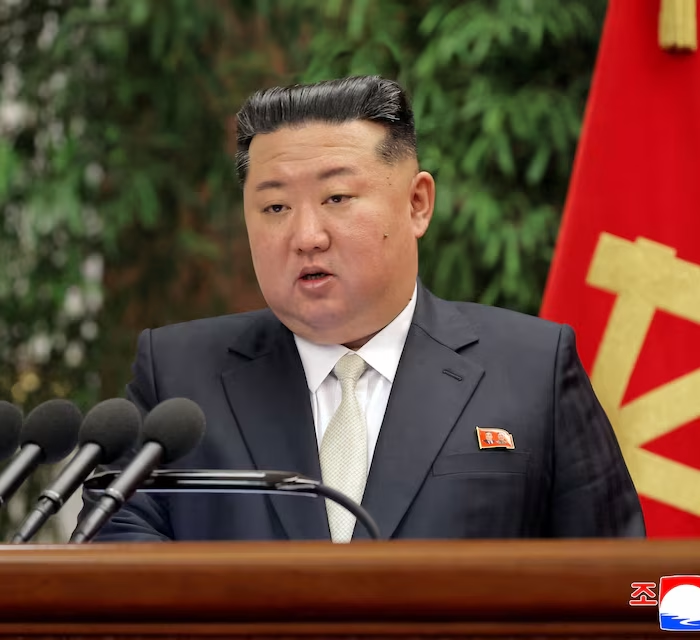
The outbreak has reignited debate over a major policy change. In April, Hegseth announced that he would roll back a decades-old mandate requiring U.S. troops to receive the annual flu vaccine.
He described the requirement as overly broad and framed the change as a way to give service members greater choice. Under the new approach, soldiers would be permitted to take the vaccine if they personally believed it was in their best interest. Hegseth characterized the move as an effort to restore freedom and strength to the joint force.
Exceptions to the New Rule
Despite the shift toward voluntary vaccination, the policy includes room for exceptions. Chief Pentagon Spokesman Sean Parnell said Thursday that several departments and agencies had been granted permission to require vaccines in certain circumstances.
These included the Department of the Army, Department of the Navy, Department of the Air Force, the National Security Agency, and the Defense Health Agency. Parnell explained that the decisions were based on thorough risk assessments aimed at maximizing operational readiness, lethality, and force generation while protecting at-risk populations.
He added that the military components requesting these exceptions are responsible for carrying them out.
Reviewing High-Risk Environments
The Pentagon has been actively evaluating where exceptions might be necessary. Last month, Undersecretary of Defense for Personnel and Readiness Anthony Tata told members of Congress that the department was reviewing exemptions for service members in high-risk settings.
These environments included basic training, submarines, ships, and Army Ranger School, all places where close quarters could heighten the risk of an outbreak.
Notably, the New York Times reported Thursday that amid the recent outbreak, the Air Force was granted an exception to the new voluntary policy, requiring recruits at Lackland to receive flu shots. The Air Force did not immediately confirm whether that exception had been implemented.
Why Close Quarters Matter
While influenza rates are currently considered low both nationally and in Texas, the conditions at a basic training facility create unique risks. Tracking by the Centers for Disease Control and Prevention and the Texas state health department supports the assessment of low overall flu activity.
However, the crowded living conditions typical of military training can dramatically accelerate an outbreak. The flu spreads primarily when people cough, sneeze, or talk, making tightly packed environments especially vulnerable.
The Value and Limits of the Flu Vaccine
The flu vaccine is not a perfect solution. It is considerably less effective at preventing infections than vaccines like the one for measles, mumps, and rubella, which the CDC says prevents measles in about 97 percent of cases after two doses.
Even so, the flu vaccine offers meaningful protection. Multiple studies have demonstrated that it reduces the severity of the disease and helps prevent hospitalizations and deaths, making it a valuable tool even when it cannot fully block infection.
A Skeptical Health Secretary
The broader political backdrop adds another layer to the story. Health Secretary Robert F. Kennedy Jr. has a long record of criticizing vaccines.
During his tenure, Kennedy halted a flu awareness campaign and downgraded the recommendation for childhood vaccinations. His skepticism has contributed to a shifting national conversation around vaccine policy.
A Long History of Military Vaccination
The military’s relationship with the flu vaccine stretches back decades. The U.S. military first mandated the vaccine in 1945, at the close of World War II.
The decision was driven in part by concerns over biological warfare and lessons learned from the devastating influenza pandemic of 1918 to 1920, which had crippled American troop readiness during World War I and killed more than 26,000 American soldiers. Although the mandate was briefly withdrawn in 1949, it was reinstated in the 1950s.
A Political Flashpoint
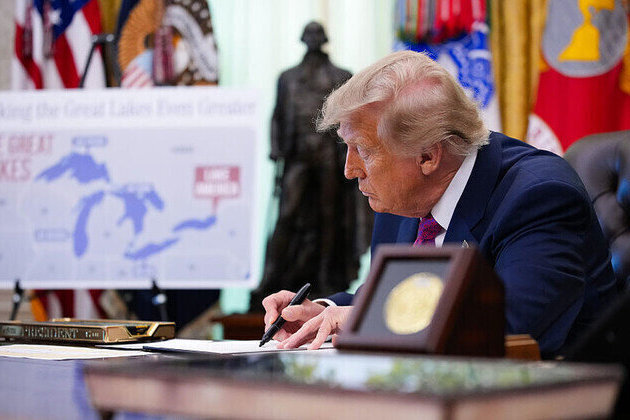
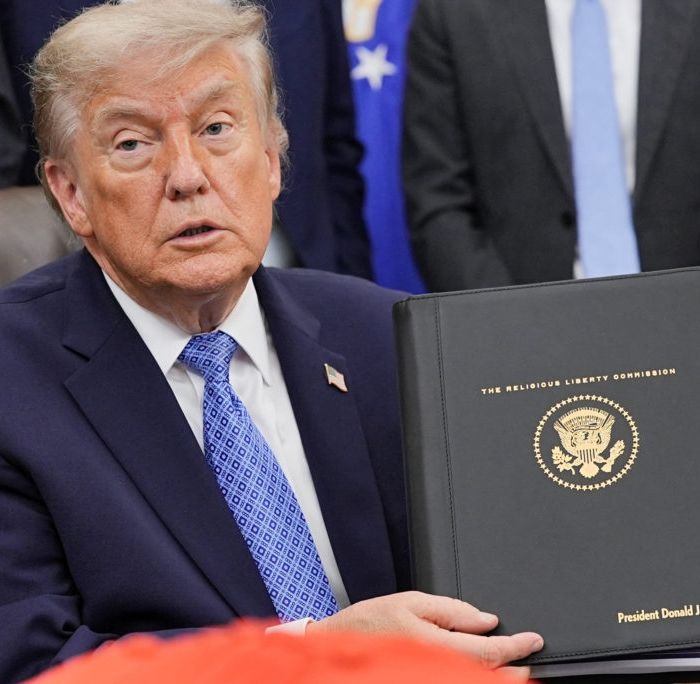
Vaccine mandates within the military became a notable issue during recent politics. President Donald Trump made the topic a campaign issue, pledging during his 2024 campaign to rehire individuals who had lost their jobs over the military’s coronavirus vaccine requirement.
At the time, Trump promised to bring back every affected service member with an apology and backpay, a commitment he later acted on through an executive order in January of last year.
Looking Ahead
The Lackland outbreak serves as an early test of the consequences tied to the new voluntary vaccine policy. As officials work to contain the illness and investigate the death of a young recruit, the situation highlights the delicate balance between personal choice and public health within the armed forces.
For now, the focus remains on treating the sick, monitoring those at risk, and determining whether the recent policy shift played any role in the outbreak. As the investigation continues, the events at Lackland may well shape future decisions about how the military approaches vaccination in the years to come.
Author