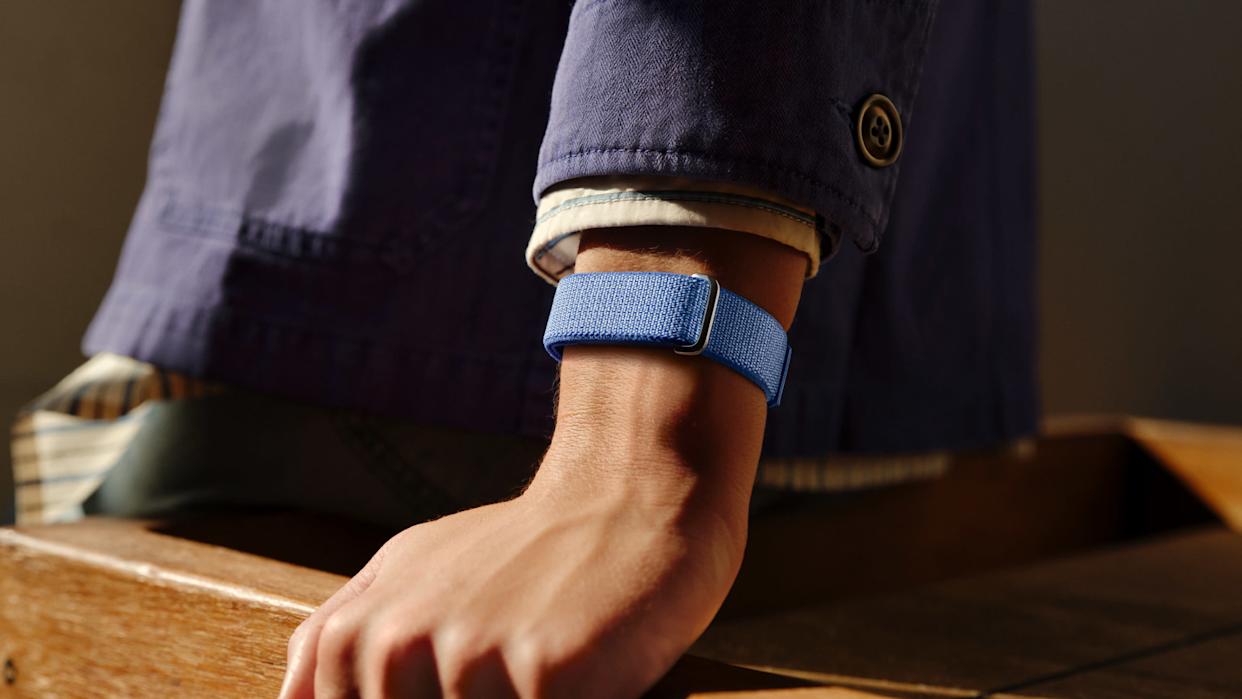
Fitbit Air Launches as a Sleek, Screenless Wearable Rivaling Whoop
Fitbit Air has officially landed, and it could be Google’s most interesting wearable in years. Announced on Thursday, the new $100 device steps away from the traditional smartwatch design and embraces a minimalist, screenless approach. With its lightweight build and round-the-clock health tracking, the Fitbit Air looks set to compete directly with popular options like Whoop, especially for users who want a simple, distraction-free fitness companion.
Google says the goal behind the device was to create something that doesn’t feel bulky, complicated, or expensive. By stripping away the screen and focusing purely on health insights, the company is targeting users who prefer their tech to stay in the background while still delivering valuable data.
A Screenless Design Built for Everyday Comfort
The Fitbit Air is noticeably smaller than previous models. It’s 25 percent smaller than the Fitbit Luxe and a striking 50 percent smaller than the Inspire 3. With the band, it weighs only 12 grams; without it, it’s just 5.2 grams. That’s light enough to wear all day and night without feeling its presence.
The screenless approach is intentional. According to Google, removing the display helps people “live in the moment” rather than constantly glancing at notifications and stats. Instead of pulling users into the device, the Fitbit Air pushes the experience to the Google Health app, which is the rebranded version of the original Fitbit app.
Comprehensive Health and Fitness Tracking
Despite its small size, the Fitbit Air packs serious functionality. It offers a wide set of health features that include:
- 24/7 heart rate monitoring
- Heart rhythm tracking with AFib (atrial fibrillation) alerts
- Blood oxygen level readings
- Resting heart rate insights
- Heart rate variability tracking
- Sleep stages and total sleep duration
The device automatically detects common activities and workouts. Over time, it learns the user’s habits and adapts, offering a more personalized experience as it gathers more data. This kind of background intelligence is one reason why screenless wearables have become so popular in recent years.
Pairing With the Pixel Watch
One of the most interesting features of the Fitbit Air is its ability to pair with the Pixel Watch. Google envisions a setup where users wear their Pixel Watch during the day for full smartwatch features and switch to the Fitbit Air at night or during workouts.
This dual-device approach allows users to enjoy the convenience of a powerful smartwatch when they need notifications, calls, and apps, while turning to the lighter, more comfortable Fitbit Air when they prefer to focus on rest, recovery, or movement without distractions.
Battery Life and Durability
Google says the Fitbit Air offers up to a week of battery life on a single charge. For those who forget to charge their device regularly, fast charging is a major plus — just five minutes of charging delivers an entire day of use.
The wearable is also water-resistant up to 50 meters, making it suitable for swimming, showering, and intense sweat sessions. This kind of durability is essential for a device meant to be worn 24/7.
The Google Health App and Health Coach
Alongside the Fitbit Air, Google introduced a refreshed app called Google Health, which replaces the older Fitbit app. This new app serves as the central hub for all health and fitness data collected by the device. It’s designed to be cleaner, more intuitive, and more personalized.
A major addition to the ecosystem is the Google Health Coach, a Gemini-powered AI feature that acts like an all-in-one trainer, sleep advisor, and wellness guide. It’s now available for Google Health Premium subscribers and can help users:
- Create personalized workout plans based on goals and available equipment
- Analyze sleep habits and offer ways to improve rest
- Provide tailored health insights based on personal data
By combining wearable hardware with AI-powered coaching, Google appears to be moving its health platform in a direction that focuses heavily on guidance rather than just data.
Band Options and Style Choices
Even though the Fitbit Air doesn’t have a screen, Google has not ignored personal style. It launches with three different band options to suit different lifestyles:
- A Performance Loop Band made from recycled materials, designed for breathability and comfort
- A waterproof Active Band, intended for athletes and those who lead a more active lifestyle
- A discreet Elevated Modern Band, which blends seamlessly with everyday outfits
This variety suggests Google wants the Fitbit Air to feel less like a fitness gadget and more like a versatile wearable accessory.
A Direct Challenge to Whoop
The Fitbit Air’s screenless, subscription-friendly design naturally invites comparisons to Whoop, which has built a strong following among athletes and health-conscious users. However, the Fitbit Air comes with a clear advantage: a one-time price of $100 and no mandatory monthly subscription to use the basic features. While advanced AI tools like Google Health Coach require a Premium membership, the core tracking is available to everyone who buys the device.
For users who want detailed health insights without paying ongoing fees, this could be a major selling point.
Pricing and Availability
The Fitbit Air is available for pre-order now and will officially go on sale on May 26. At $100, it sits at a comfortable price point that balances affordability with quality, making it an attractive option for first-time wearable users and longtime fitness enthusiasts alike.
Final Thoughts
With the Fitbit Air, Google is making a clear statement about where it sees the future of wearables heading: lighter, simpler, more focused, and powered by AI when needed. By offering a screenless device that still delivers serious health insights, the company is targeting users who want their technology to feel less like a distraction and more like a quiet partner in their daily routine. As wearables continue to evolve, the Fitbit Air might just be one of the most refreshing additions to the market this year.
Author