A Familiar Message, Coldly Received
Just hours after US Defense Secretary Pete Hegseth scolded NATO allies and announced a Pentagon review of their performance, European leaders were already reviewing a checklist of progress they had made on security priorities. The fallout from Hegseth NATO criticism has revealed a striking disconnect — with many Europeans noting that the defense secretary was largely telling them things they already knew.
Rather than landing as a wake-up call, his remarks appeared out of step with the work already underway across the continent.
Europe’s Ongoing Security Push
At a summit ending Friday, European leaders weren’t scrambling to react to American demands. Instead, they were continuing work they had begun years earlier, assessing progress across a range of established priorities.
That checklist included items Europe has been developing since Russia’s full-scale invasion of Ukraine in 2022:
- Increases in defense spending
- Investment in industry to boost military equipment production
- Applying lessons learned from the war in Ukraine
- Buying or developing drones, air defense systems, and long-range weapons
The leaders also discussed how to best use joint European Union funding, cut red tape to speed up purchases, improve “military mobility” to deploy troops and equipment faster, and upgrade ports and airports. They reaffirmed that “Europe’s defense readiness must be decisively ramped up by 2030.”
A Looming Russian Threat
The urgency behind these efforts is real. Intelligence agencies have warned that Russian President Vladimir Putin could order an attack elsewhere in Europe before the decade’s end — particularly if he defeats Ukraine.
Russia is already accused of carrying out acts of sabotage and spreading misinformation across Europe. With about two-thirds of EU member countries also belonging to NATO, the added unpredictability of the Trump administration has only strengthened Europe’s resolve to press forward on its own. Hegseth’s Pentagon review was simply the latest surprise in that dynamic.
Hegseth’s Blistering Remarks
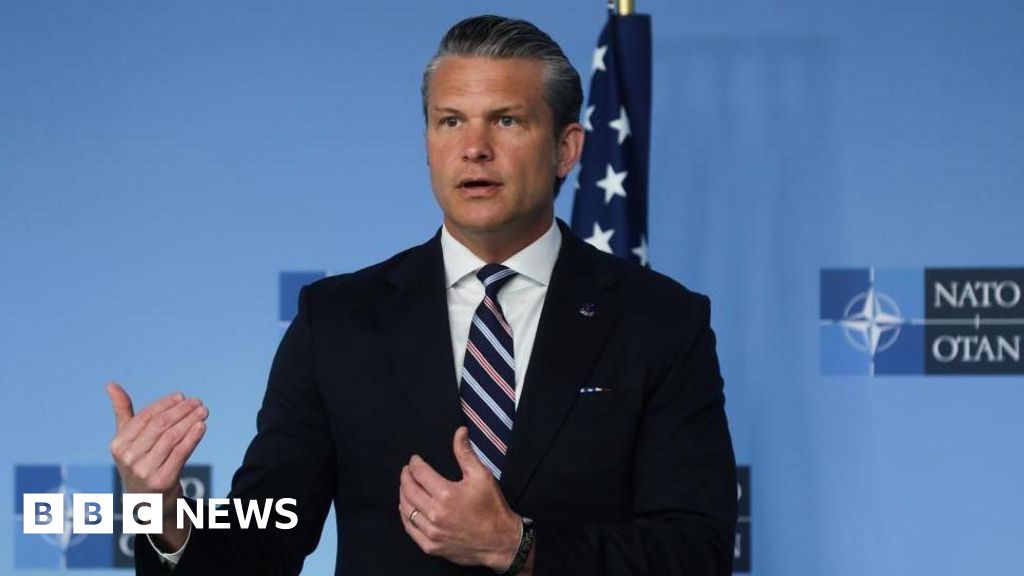
Hegseth doesn’t attend many NATO meetings, and he left Thursday’s gathering of defense ministers early. Yet his speeches have proven memorable for their sharp tone.
On Thursday, he berated NATO as a “paper-tiger,” declared that allies had been “shameful,” and claimed that “too many failed” a test set by President Trump when he sought to use their European bases to launch attacks on Iran.
He didn’t stop there. Hegseth took aim at the allies’ focus on “gender equity and climate change” and criticized their migration policies. He then gave them six months to improve ahead of a Pentagon performance review — one that ties the presence of US forces in Europe and American investment in NATO to whether he believes the allies are pulling their weight.
Sharp Criticism of the Approach
The framing of the review drew strong rebukes from defense experts. Rachel Ellehuus, Director-General of the Royal United Services Institute, described it bluntly as “protection racket framing” that undermines NATO solidarity, erodes trust in the US commitment to the alliance, and ultimately harms American security interests.
That concern reflected a broader unease about treating alliance commitments as transactional.
An Unclear Review
Adding to the uncertainty, the actual terms of the review remain murky. Hegseth said it would be designed to ensure NATO moves “fast and irreversibly toward Europe leading,” with some countries failing and others passing “with flying colors.”
He indicated the review might last up to six months — possibly less — and could involve US military commanders, members of Congress, and the allies themselves. Crucially, he warned that US payments into the joint NATO budget would depend on performance, stating that “where other allies do not spend with urgency, our dues contributions will go down.”
Speaking to reporters before flying out of Brussels, Hegseth said the review would also address basing decisions and ensuring American access and overflight rights so the US is “properly postured on the continent.” Notably, NATO played no active role in the Iran war, though it did help shield alliance territory from possible attack.
Even NATO Secretary-General Mark Rutte could offer little clarity, saying there was “still no clarity on exactly what the outcome will be” since it would depend on the review itself. He may learn more when he travels to Washington next week.
The Numbers Tell a Different Story
Despite Hegseth’s criticism, the data suggests US allies are performing well. Rutte emphasized the scale of recent investment, describing “staggering amounts of money coming in.”
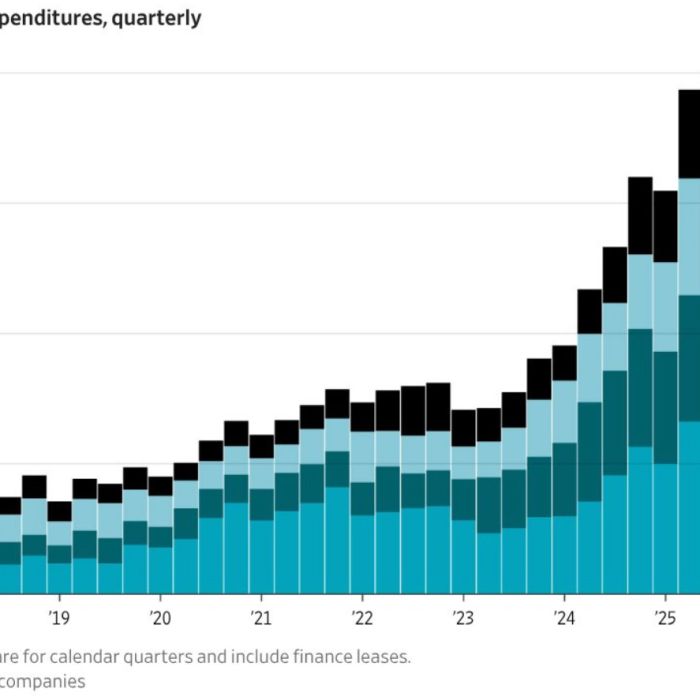
According to Rutte, Europe and Canada are spending more than $90 billion extra in 2025 compared to 2024 — nearly a 20% increase in defense spending. The next challenge, he noted, is converting that money into actual military equipment, weapons, and ammunition.
At last year’s summit, allies agreed to boost their military budgets to match that of the United States as a share of GDP. Trump left that meeting pleased, calling his NATO counterparts a “nice group of people.” But the new review casts a shadow over the next summit, set for Turkey on July 7-8.
Europe Already Stepping Up
In practice, European allies have taken on greater responsibility in recent months. Top European military officers now hold more command roles at NATO, and US allies have taken the lead in funneling arms and money into Ukraine as the Trump administration has stepped back.
Several European nations and Canada are also spending billions to purchase vital US air defense systems, which they then donate to Ukraine — a war they view as an existential threat to Europe.
Given all this, observers note it’s hard to see what more Europe could realistically do, and do faster, short of granting America unfettered access to their airspace and bases for waging wars elsewhere.
A Warning Against Transactional Alliances
Ellehuus, a former top US advisor at NATO, cautioned that decisions about force positioning “should be driven by detailed threat assessments, operational requirements, and military planning — not used as a form of reward, punishment or revenge.”
She warned that such framing undermines allies precisely when they’re working hard to solve the problem, while signaling to adversaries that US security commitments now come with a price tag.
An Alliance Under Strain
As Europe continues ramping up its defenses against a looming Russian threat, Hegseth’s criticism appears to have created friction rather than motivation. With the terms of the Pentagon review still unknown and the next NATO summit approaching, the relationship between Washington and its European allies enters an uncertain and increasingly tense chapter.
For now, the episode underscores a growing question at the heart of the alliance: whether NATO’s bonds rest on shared security or, as critics fear, on a transactional ledger that could weaken the partnership when unity matters most.
Author