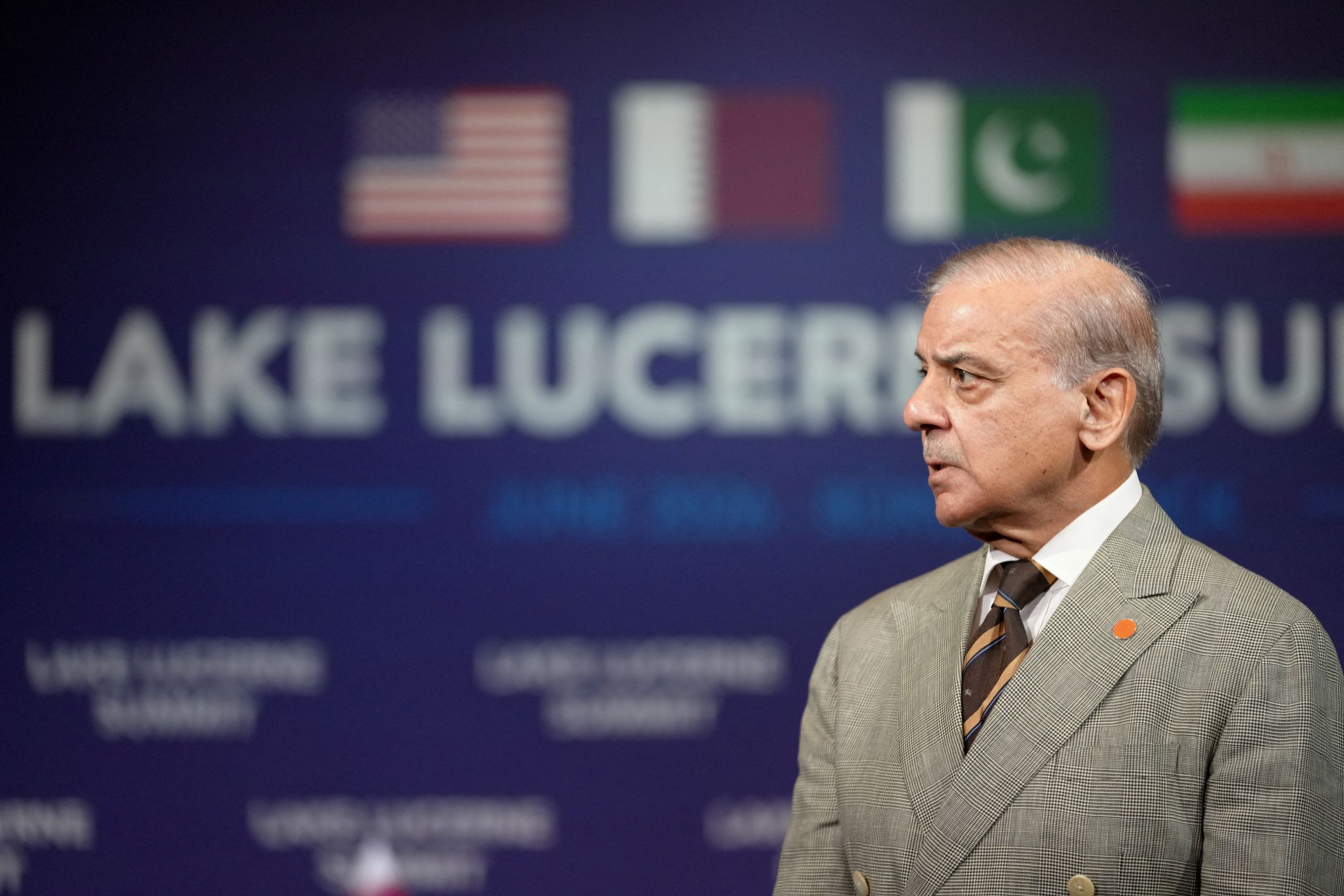
Iran has announced that technical talks with the United States in Switzerland have concluded successfully, clearing the way for the next phase of negotiations aimed at ending a war that has stretched beyond 100 days. The breakthrough in the Iran US talks comes alongside a major financial agreement, including the release of billions of dollars in frozen Iranian assets.
The developments signal meaningful diplomatic momentum, even as both sides continue to navigate sharp differences over how the agreement will ultimately unfold.
Technical Talks Reach a Conclusion
According to Iran, the technical negotiations in Switzerland, which involved the United States and mediators, ended on a positive note.
Deputy Foreign Minister Kazem Gharibabadi, who led Iran’s technical negotiating team, said the four-party talks concluded with an agreement on arrangements for future negotiations, according to Iran’s official IRNA news agency. Those arrangements reportedly include the establishment of working groups and implementation mechanisms to guide the next steps.
Gharibabadi explained that the discussions followed a high-level committee meeting held on Sunday, which was focused on overseeing the implementation of the Islamabad Memorandum of Understanding. That framework agreement was signed virtually by the US and Iranian presidents on June 17 with the goal of ending the war.
He noted that the technical discussions were designed to determine how to implement both the memorandum and the statement issued at the close of the high-level meeting, adding that the necessary understandings had been reached.
A $12 Billion Agreement
One of the most significant outcomes involves frozen money. Iran’s top negotiator, Mohammad Ghalibaf, announced that an agreement had been reached with the US to release $12 billion in frozen Iranian assets.
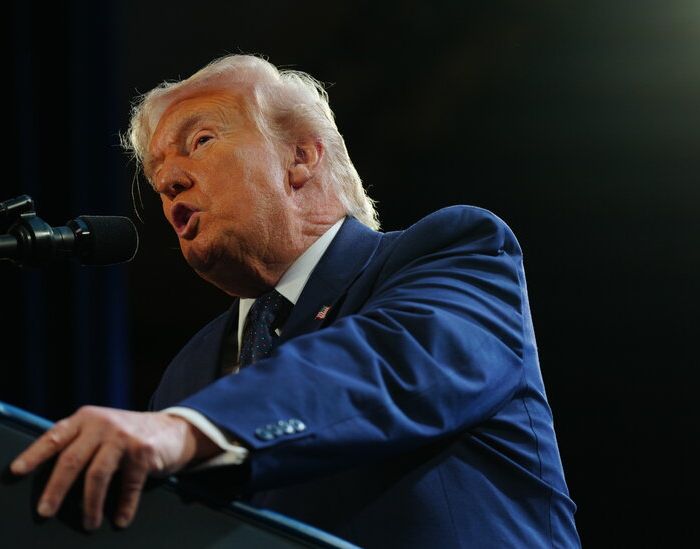
However, the two sides have offered differing accounts of how that money will be used. President Donald Trump stated that the funds would go toward purchasing US produce, framing the arrangement as a benefit to American farmers.
Speaking from the Oval Office, Trump said negotiations were progressing well toward what he called a fair and reasonable deal. He claimed the unfrozen money would be used to buy food exclusively from the United States, specifically mentioning corn, soybeans, and other agricultural goods sourced from American farmers.
A Major Shift on Oil Sanctions
Perhaps the most consequential development involves a reversal in US policy toward Iran’s oil industry. The US Department of the Treasury announced a 60-day waiver allowing Iran to sell its oil and petrochemical products.
Reporting from Washington, Al Jazeera’s Alan Fisher described the move as hugely significant, calling it a reversal of long-standing US policy on sanctions targeting the Iranian oil sector. He explained the practical impact in clear terms:
- For years, Iran managed to sell its oil despite sanctions, but only at a steep discount
- Countries feared running afoul of US sanctions, which kept Iran’s prices low
- Under the waiver, Iran can now sell its oil at full price, potentially bringing hundreds of millions of dollars into its economy
Fisher emphasized that while this marks a dramatic change, the Americans insist Iran must still meet certain benchmarks before other sanctions can be lifted.
Tensions Over the Strait of Hormuz
The talks also touched on the strategically vital Strait of Hormuz, a waterway through which roughly a fifth of global energy exports pass.
Tehran agreed to establish a line of communication with the US to help ensure safe passage through the strait. Yet Iran made clear that conditions there would not simply revert to how they were before the conflict.
Ghalibaf, who also serves as Iran’s parliament speaker, stated firmly that the administration of the strait would never return to its pre-war state, while adding that Iran would fully comply with international law. His comments reflect Iran’s intent to retain leverage over the waterway, which it had used during the conflict by attacking or threatening vessels attempting to pass through as part of its response to the US-Israel war.
The Bottom Line
The successful conclusion of technical talks in Switzerland, combined with the release of $12 billion in frozen assets and the easing of oil sanctions, represents a notable step toward ending a war that has lasted more than 100 days. These measures suggest genuine progress on both the diplomatic and economic fronts.
Still, important tensions remain unresolved, from the competing narratives over how Iran’s funds will be spent to Tehran’s insistence on maintaining a changed status around the Strait of Hormuz. As negotiations advance into their next phase, the durability of this progress will depend heavily on whether both sides can meet the benchmarks and commitments now being put in place.
Author