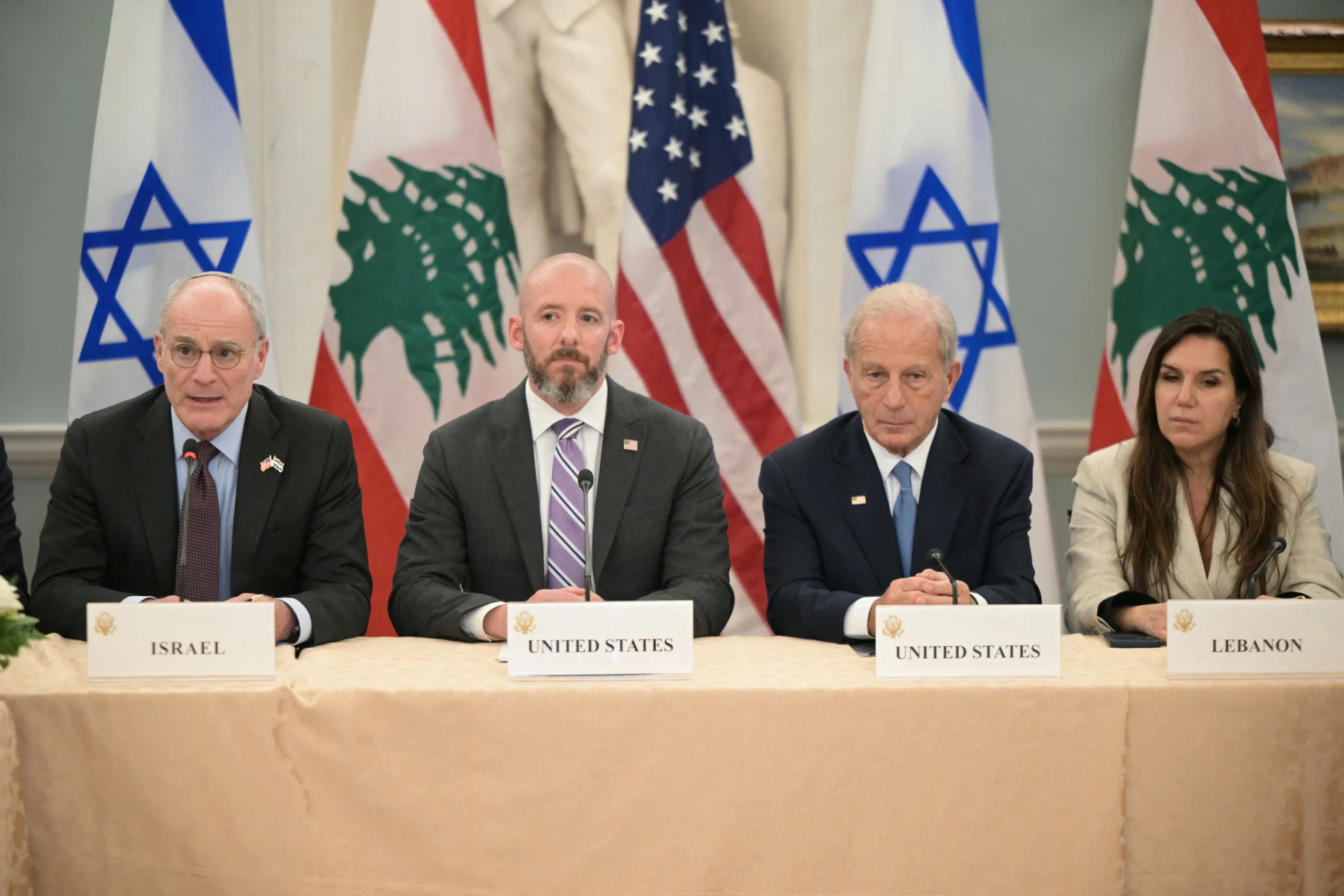
The Israel Lebanon ceasefire took a major step forward as the two governments agreed to put a full halt to hostilities into effect, though the arrangement comes with conditions tied directly to Hezbollah. According to a joint statement issued by the United States, Israel, and Lebanon, the truce depends on the Shia militia ending its attacks and pulling its fighters out of the area south of the Litani River.
Why the Deal Matters
The agreement carries weight that extends well beyond the immediate fighting. Hezbollah had already signaled it would accept a full ceasefire, yet it remained unclear whether the group would sign on to the specific terms hammered out by the Israeli and Lebanese governments, an uncertainty that could still complicate the path ahead.
The stakes reach even further. A full ceasefire in Lebanon ranks among the central demands Iranian officials have pressed in their ongoing negotiations with the Trump administration over a broader deal to end the war. That connection ties the fate of this truce to a much larger regional bargaining process.
A Tense Road to Agreement
The breakthrough followed a sharp turn earlier in the week. On Monday, President Trump halted an Israeli plan to unleash heavy strikes on Beirut in retaliation for Hezbollah’s drone and missile attacks. According to reports, the intervention came during a heated, expletive-laden phone call in which Trump confronted Israeli Prime Minister Benjamin Netanyahu.
Out of that exchange came an initial partial ceasefire. Under its terms, Israel pledged not to strike Beirut in return for Hezbollah ceasing its attacks on Israeli towns near the border. Even so, the militia carried out several drone strikes against targets inside Israel over the following 48 hours, underscoring how fragile the arrangement remained.
The fuller agreement between Israeli and Lebanese officials emerged after two days of talks at the US State Department, with Trump administration officials acting as mediators.
What the Agreement Includes
At the heart of the understanding lies a plan to establish “pilot zones” in southern Lebanon. In these areas, the Lebanese Armed Forces would assume exclusive control and ensure no Hezbollah presence remains. In exchange, the Israel Defense Forces would withdraw from the territory.
The parties framed these measures as a foundation for something larger, stating that the steps would enable progress toward a comprehensive peace and security agreement. They also stressed the principle of sovereignty, affirming that the future of relations between Israel and Lebanon must rest in the hands of the two governments. In pointed language, they rejected any effort by any state or non-state actor to hold Lebanon’s future hostage.
Looking Ahead
The joint statement struck a notably forward-looking tone. Israel and Lebanon declared they harbor no hostile intent toward one another and committed to continuing direct negotiations aimed at building confidence, settling outstanding disputes, and working toward a full agreement between the two countries.
To keep that momentum going, the parties set a date for the next round of talks: June 22 in Washington, DC. Whether Hezbollah ultimately embraces the terms, and whether the fragile calm holds in the meantime, will determine if this agreement marks a genuine turning point or another fleeting pause in a long-running conflict.
Author