Japan Philippines Defense Partnership Reaches New Heights Amid Regional Tensions
The Japan Philippines defense relationship took a significant leap forward on Thursday, as the two nations agreed to deepen their military cooperation through accelerated arms sales talks and intelligence sharing. The move comes against a backdrop of mounting anxiety over China’s growing military activity across Asia.
Beyond defense, the two countries elevated their overall relationship to the highest tier of diplomatic engagement, signaling a broad and lasting commitment that extends well past immediate strategic concerns.
A Comprehensive Strategic Partnership
In a major diplomatic development, Japan and the Philippines upgraded their ties to a Comprehensive Strategic Partnership. This top-tier framework means the two nations will now collaborate across a far wider range of areas rather than limiting their cooperation to specific strategic priorities.
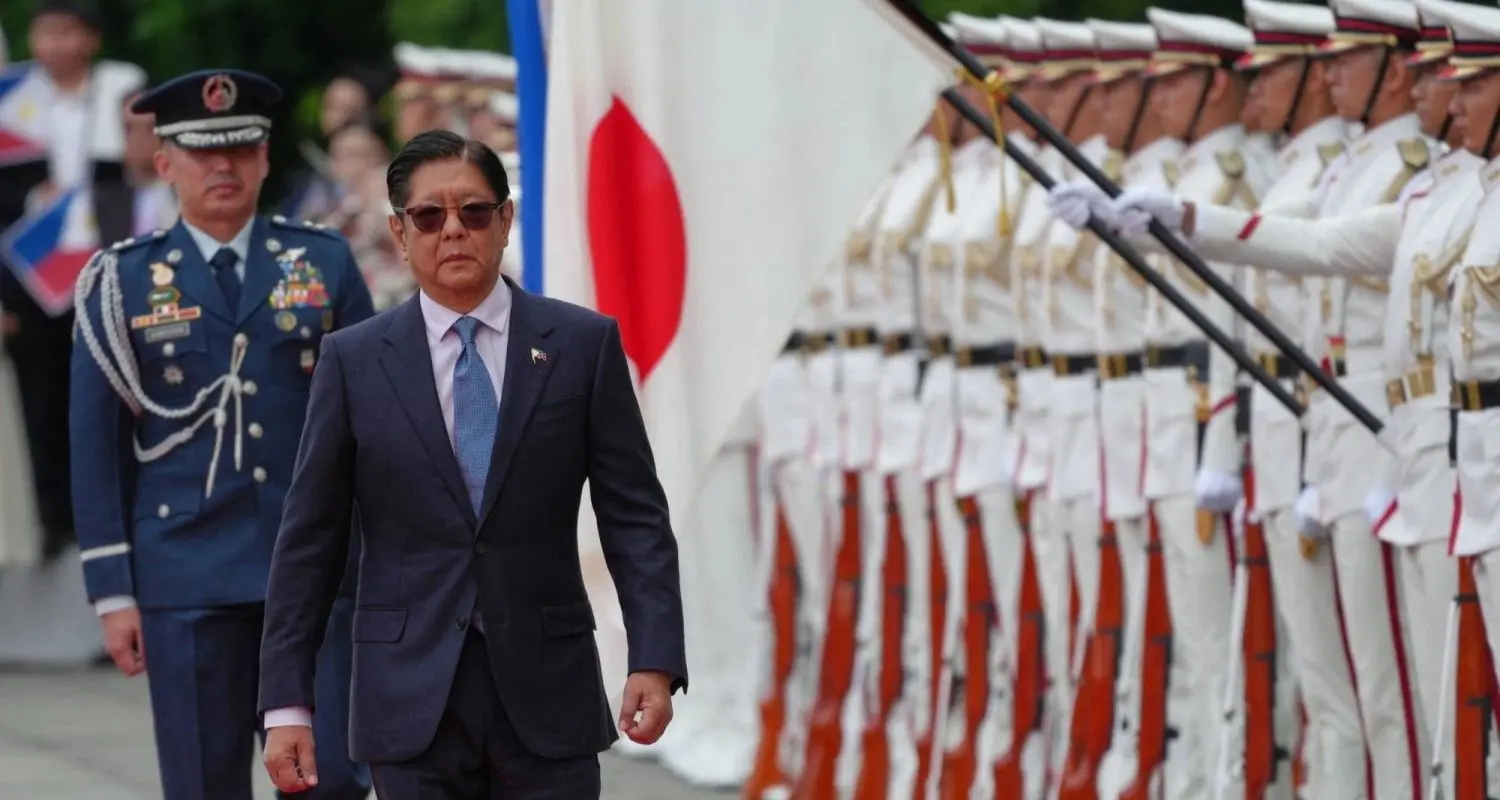
Philippine President Ferdinand Marcos Jr. described the upgrade as a milestone during a joint news conference following his talks with Japanese Prime Minister Sanae Takaichi. He emphasized that the partnership would rest on a foundation of friendship and shared values centered on peace, diplomacy, and respect for international law.
Royal Treatment for a Key Partner
Japan rolled out the red carpet for Marcos, extending some of its highest forms of hospitality during the state visit. The honors included:
- A meeting with Emperor Naruhito
- A formal palace banquet
- One of Japan’s most prestigious decorations, the Grand Cordon of the Supreme Order of the Chrysanthemum
The lavish reception sent an unmistakable message: Japan views the Philippines as both a vital defense partner and a major potential customer for its weapons in a region where tensions continue to escalate.
China Looms Over the Alliance
Although neither leader framed the partnership solely around Beijing, China clearly factored into the strengthened military relationship. The United States, a mutual ally of both nations, hopes the deepening ties will serve as a counterweight to China’s ambitions in the East and South China Seas, as well as its claims over the self-governing island of Taiwan.
This strategic calculus underpins much of the cooperation, with both Tokyo and Manila seeking to bolster their security in the face of an increasingly assertive China.
The Philippines as a Weapons Customer
One of the most notable aspects of the visit involves arms sales. The Philippines stands as the first potential major customer for Japanese weapons since Takaichi’s government scrapped a ban on lethal weapons exports.
That policy change, enacted in April, marked a significant departure from Japan’s longstanding postwar pacifist stance. It reflects a broader effort by Japan to accelerate the buildup of its military and arms industry.
During Thursday’s talks, the two leaders agreed to pursue negotiations on several potential deals, including:
- Multiple Abukuma-class destroyers
- Japanese navy TC-90 training aircraft
Philippine Defense Minister Gilberto Teodoro Jr., who recently observed joint live-fire exercises with his Japanese counterpart, also expressed interest in acquiring Type-88 surface-to-ship missiles.
Japanese officials noted that the state visit carried additional significance beyond defense, coinciding with the 70th anniversary of diplomatic relations between the two countries and the Philippines holding the rotating presidency of the Association of Southeast Asian Nations this year.
Building an Intelligence Sharing Pact
The two leaders also agreed to formally begin talks aimed at establishing a military intelligence sharing pact. Takaichi underscored the importance of the move, saying Japan would continue strengthening cooperation with the Philippines in response to the increasingly severe strategic environment in the region.
Such a pact would carry meaningful benefits. According to Japanese officials, it would enable closer communication and help tighten trilateral military cooperation with the United States. The arrangement would also build on existing collaboration, as Japan has already provided the Philippines with a set of five coastal surveillance radars through official security assistance. Enhanced intelligence sharing would further strengthen reconnaissance cooperation between the two nations.
Looking Beyond the Marcos Presidency
Japan’s ambitions extend beyond the current Philippine administration. Takaichi described the top-tier partnership as a reflection of both countries’ commitment to building their relationship in a sustainable and multi-layered way, one that would not be swayed by shifts in the global environment.
This long-term vision is deliberate. Tokyo hopes to maintain strong ties with the Philippines even after Marcos’s presidency ends in 2028, seeking to avoid what some view as the inconsistent China policies of certain previous Philippine governments.
Marcos himself has adopted a firm stance against China over maritime disputes in the South China Sea. Throughout his presidency, the Philippines and Japan have steadily expanded their security ties, both bilaterally and in coordination with the United States.
A Foundation of Recent Agreements
The latest developments build on a series of defense agreements forged in recent years:
- In 2024, the two countries signed a pact allowing their forces to visit each other’s territory smoothly for joint military drills, paving the way for Japan to deploy 1,400 military personnel as regular participants in joint exercises.
- This year, a separate defense pact was signed permitting the tax-free provision of ammunition, fuel, food, and other necessities during joint training.
These agreements have laid the groundwork for the deeper cooperation announced during the state visit.
Energy Security on the Agenda
The visit was not limited to military matters. Marcos and Takaichi also agreed to advance cooperation in trade, energy security, and supply chain resilience.
A key element involves a Japan-initiated multinational funding framework announced in April. This framework aims to help Southeast Asian countries, including the Philippines, stabilize their oil reserves through financial assistance for building necessary infrastructure. The initiative addresses challenges stemming from the fallout of the Iran war, which has halted oil transports through the Strait of Hormuz and strained energy supplies across the region.
What It All Means
The strengthened Japan Philippines defense partnership represents a meaningful shift in the regional security landscape. By elevating their ties, advancing arms deals, and pursuing intelligence sharing, the two nations are positioning themselves to navigate an environment shaped increasingly by concerns over China.
For Japan, the arrangement marks a notable step in its evolving defense posture, particularly following its decision to lift the ban on lethal weapons exports. For the Philippines, it offers enhanced military capabilities and a deeper alliance at a time of contested maritime claims.
Taken together, these developments suggest that both countries, along with their shared ally in the United States, are preparing for a more uncertain and competitive regional future. As tensions persist in the East and South China Seas and questions linger over Taiwan, the deepening bond between Tokyo and Manila may prove to be a significant factor in shaping the balance of power across the Indo-Pacific in the years ahead.
Author