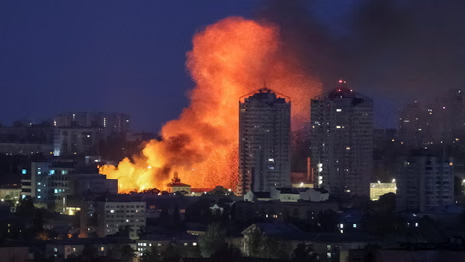
Kyiv Picks Up the Pieces After Another Deadly Russian Attack
Another Russian attack on Kyiv has left the Ukrainian capital reeling, as residents once again sift through shattered glass and broken concrete to salvage what remains of their homes. Monday night’s barrage marked the third heavy assault on the city in less than a month, part of an intensifying air campaign that has tested Ukraine’s stretched defences and the resilience of ordinary people caught in its path.
A Capital Under Fire, Again
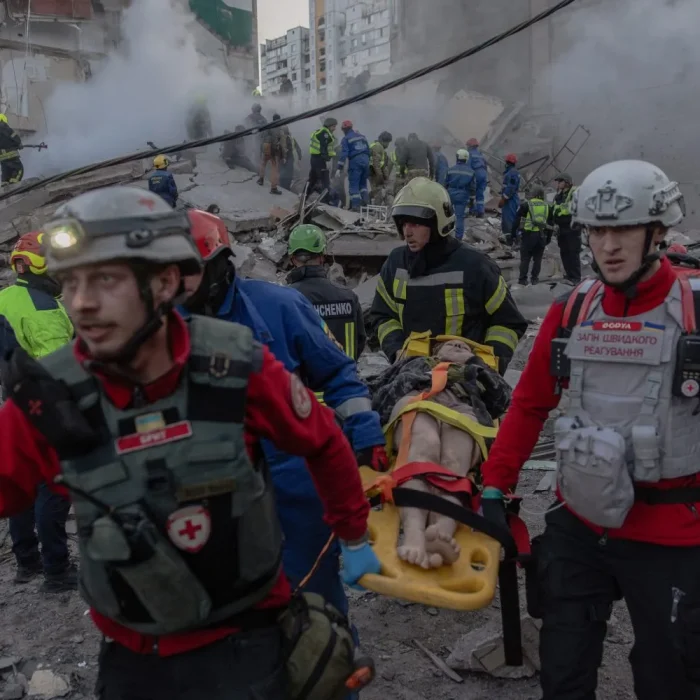
In the northern suburb of Vynohradar, a district of unassuming apartment blocks, the aftermath unfolded with a quiet, almost practiced calm. Residents moved methodically through the wreckage, clearing debris and rescuing belongings after a massive overnight strike that, according to the original reporting, sent dozens of missiles and hundreds of drones into the city.
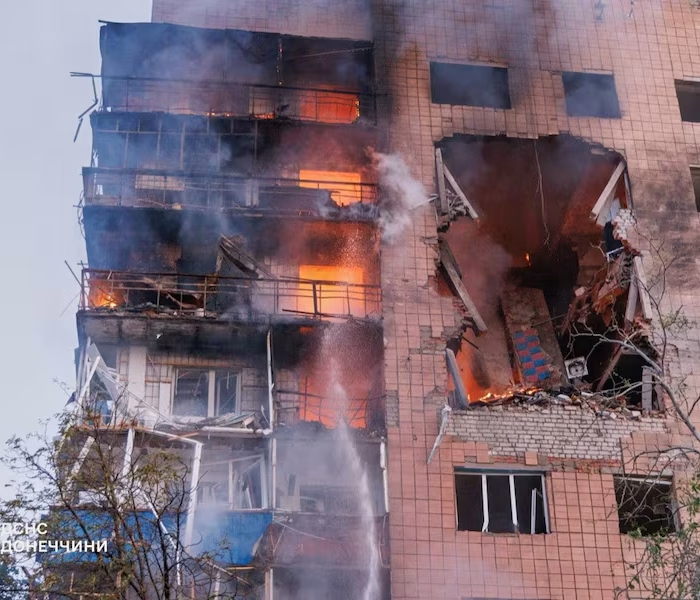
The damage was both stark and intimate. Possessions had spilled from one building and piled up at its base. Shards of glass glittered in flowerbeds among the irises and roses. Locals arrived carrying lengths of plastic sheeting to cover their blown-out windows, supplies handed out at an aid point that had quickly taken shape inside a nearby school.
A short distance away, at UNIT.City, a modern residential and office development near Babyn Yar, the memorial to Jewish victims of the Second World War, the destruction took on a different texture. The glass facades of the sleek buildings had been almost entirely blown out, and the blast waves had stripped the leaves from chestnut trees. Cars sat crushed beneath fallen branches. Residents heaved piles of broken glass and rubble toward a skip, fitting sheets of plywood where windows used to be.
A Nationwide Barrage
The assault reached far beyond Kyiv. Ukrainian officials said Moscow launched a sweeping wave of strikes across multiple cities, firing 73 missiles and 656 drones nationwide.
The human toll was severe. According to reporting on the attack, at least 12 people were killed in Dnipro and six in Kyiv, with 131 others wounded, though casualty figures from such attacks often climb in the hours and days afterward as rescue work continues.
Ukraine’s air defences managed to intercept or suppress the vast majority of the incoming drones, a testament to their effectiveness against that type of threat. But missiles remain a far harder problem. As the strikes unfolded, thousands of residents sought safety in the Kyiv subway system, some bringing pets, belongings, and mattresses to wait out the danger underground.
Why the Attacks Are Escalating
The intensifying campaign appears calculated. Russian President Vladimir Putin has ramped up the air assault in recent weeks, seemingly to exploit Ukraine’s shortage of US-made air defence systems, a gap reportedly worsened by competing demands elsewhere. Observers suggest the strikes are also aimed at a domestic audience, an effort to convince an increasingly weary Russian public that Moscow is winning a war now in its fourth year. The Kremlin had previously warned of “systematic” strikes against Kyiv and urged foreign nationals to leave the city.
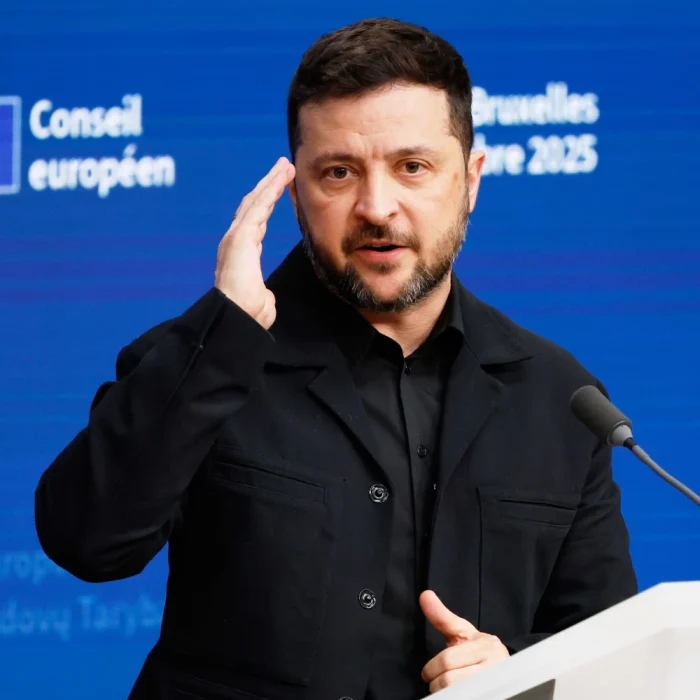
Ukrainian President Volodymyr Zelenskyy responded with a renewed and urgent plea for more protection. He described the attack as an explicit statement by Russia, warning that if Ukraine cannot be shielded from ballistic and other missile strikes, those strikes will simply continue. He has repeatedly pressed allies to supply and finance Patriot missiles, the systems capable of intercepting Russia’s most dangerous ballistic threats.
The Bigger Picture
Russia has been relentlessly bombarding Ukrainian cities, Kyiv chief among them, since launching its full-scale invasion in 2022. This latest strike, with the capital appearing to be the primary target, fits a grim and familiar pattern.
Yet the broader war is in a complex moment. US-brokered talks have stalled without resolution. On the battlefield, Russian advances have reportedly slowed, while Ukraine has stepped up its own strikes on Russian oil refineries, signaling that the conflict is far from one-sided even as the air war grows more punishing.
The Bottom Line
For the people of Kyiv, the geopolitics matter less in the moment than the immediate work of survival, covering windows, clearing glass, and checking on neighbors. Their steady, unflinching response to yet another night of destruction has become its own form of defiance. But as the attacks mount and the appeals for stronger defences grow louder, the question hanging over the capital is how long that resilience can be asked to substitute for the protection its leaders say it so urgently needs.
Author