The ISS safe haven decision made headlines after NASA directed astronauts aboard the International Space Station to shelter inside a Crew Dragon spacecraft, citing concerns over repairs that Russian cosmonauts had planned. The agency determined that the planned work created what it described as an “elevated risk” to the station, prompting a precautionary move that temporarily disrupted normal operations in orbit.
The episode highlights both the careful safety protocols governing life aboard the ISS and the ongoing challenges surrounding a persistent air leak on the station’s Russian segment.
What Happened on June 5
The events unfolded over the course of a single morning, beginning with an unusual order from mission control.
Shortly after 9 a.m. Eastern, capcom Ever Zavala called the station and instructed the crew to carry out a procedure to establish a “safe haven” in the Dragon spacecraft. Notably, he told the astronauts not to put on their pressure suits first, adding that they could do so later inside the capsule if it became necessary.
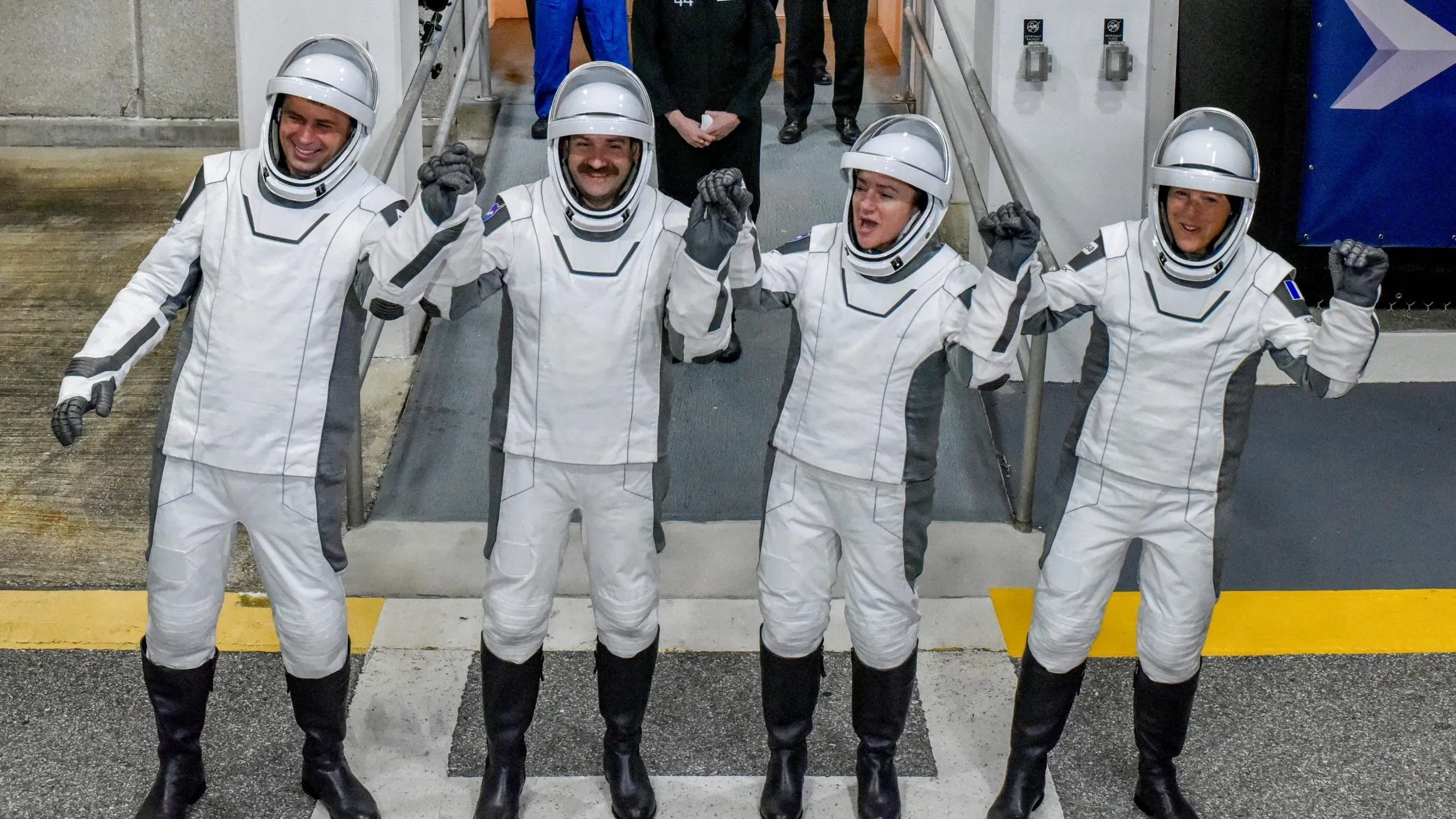
The shelter order applied to the four members of Crew-12, along with NASA astronaut Chris Williams, who had flown to the ISS aboard a Soyuz. Less than two hours later, controllers informed the astronauts they could leave the Dragon, and the crew soon resumed their normal work on the station.
Why NASA Took Precautions
The decision to shelter in the Dragon stemmed from concerns about specific repair work the cosmonauts had planned.
According to NASA, the worry centered on activity that cosmonauts Sergey Kud-Sverchkov and Sergei Mikaev intended to perform in PrK — a portion of the Zvezda service module that has experienced small air leaks for several years. That section serves as a vestibule between a docking port used by Progress cargo spacecraft and the rest of the station.
The situation had grown more pressing earlier in the week. The rate of those leaks increased while cosmonauts were working in the PrK, raising the stakes for any repair effort.
The Risky Repair Approach
What specifically alarmed NASA was the method Roscosmos planned to use.
The agency explained that Roscosmos decided to begin work toward a more extensive inspection and structural repair effort on Friday morning. This revised approach involved cutting a bracket to better access an area identified as a possible leak source. The concern was that this cutting method could have resulted in elevated risk to the structure in that area.
That potential risk is what led mission controllers to seek what NASA called a “heightened safety posture,” asking the astronauts to shelter in the Dragon while the work was underway.
How the Situation Resolved
In the end, the most dangerous part of the plan never took place.
The cosmonauts ultimately chose not to perform the structural work in PrK. Instead, they opted to take measurements. According to Roscosmos, the cosmonauts applied sealant to one of two suspected leak areas while studying the other.
NASA said it strongly supported that decision. As a result, Crew-12 and Williams ended their safe haven activities and returned to normal operations aboard the orbiting laboratory.
A Long-Running Problem
The June 5 incident is just the latest chapter in a years-long saga involving the PrK air leak.
NASA’s statement did not lay out future plans to address the leak, but the history is telling. Earlier this year, the agency said the leak appeared to have been resolved through repairs that involved applying sealant to parts of PrK showing cracks or other evidence of leaks.
However, important questions remain unanswered. NASA and Roscosmos have not identified the root cause of the leaks, and the two agencies have disagreed on how serious the problem actually is. That lingering uncertainty helps explain why even a planned repair could prompt such a cautious response.
Continued International Cooperation
Despite the disagreements, NASA emphasized its commitment to working alongside its Russian counterparts.
The agency said it will continue to coordinate with Roscosmos, along with the other international partners that support the space station, to assess the situation and ensure a resolution. That collaborative framing reflects the reality that the ISS depends on cooperation among its partners, even when their assessments differ.
Why This Matters
The safe haven decision underscores several important realities about operating in space.
A few points stand out:
- Safety protocols on the ISS are designed to respond quickly to potential structural threats, even precautionary ones.
- The persistent air leak in the Zvezda module remains an unresolved technical challenge with no identified root cause.
- Differences between NASA and Roscosmos over the leak’s severity add a layer of complexity to managing the station.
What Comes Next
For now, the immediate concern has passed, with astronauts back to their regular duties and the cosmonauts having taken a more cautious measurement-based approach.
Still, the underlying issue is far from settled. Without a clear understanding of what’s causing the leaks — and with the two space agencies not fully aligned on their severity — the PrK air leak is likely to remain a recurring point of attention.
The ISS safe haven decision serves as a reminder that even routine maintenance in orbit carries real risks, and that the careful balance of international cooperation and rigorous safety procedures remains essential to keeping astronauts safe high above the Earth.
Author