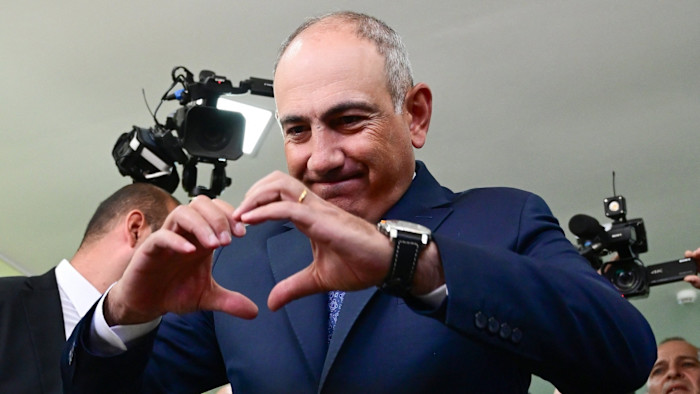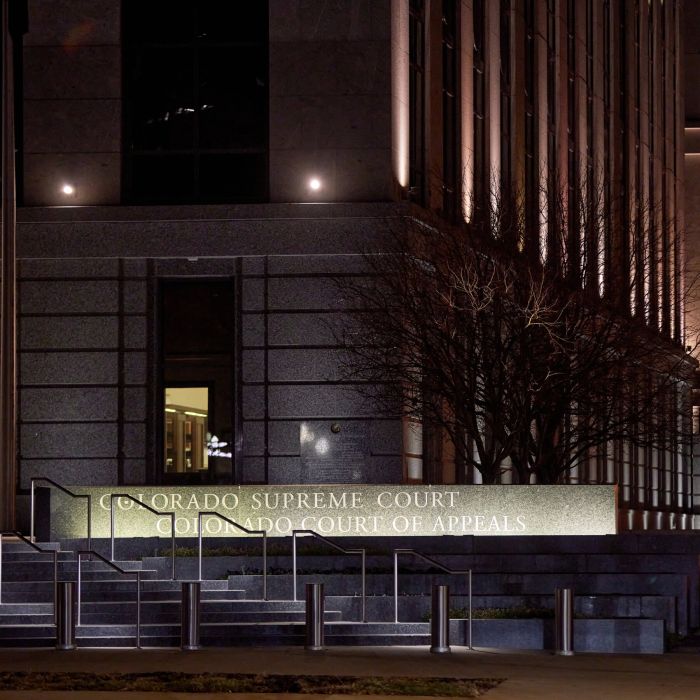
The Judge Hannah Dugan sentencing has ended without a prison term, closing a closely watched chapter in a case that pitted questions of judicial conduct against a fierce national debate over immigration enforcement. A federal judge fined the former Wisconsin jurist $5,000 on Wednesday, pointing to her otherwise law-abiding life in explaining why he saw no need to send her behind bars.
The Verdict and the Sentence
Dugan, 67, was convicted of felony obstruction in December after she guided a Mexican defendant out of her courtroom to help him avoid US Immigration and Customs Enforcement agents. Throughout the trial, her attorneys argued that the Trump administration had set out to “crush” her, aiming to force judges into cooperating with an ICE strategy of detaining immigrants as they appeared for court hearings.
Rather than incarceration, the court imposed a financial penalty, with the judge characterizing her actions as a brief lapse rather than a reflection of who she is.
A Career Undone by a Few Minutes
The fallout for Dugan has been steep. She resigned from the Milwaukee County circuit judgeship she had held for nine years in January, stepping down amid impeachment threats from Republican state lawmakers who branded her an activist judge. In her resignation letter, she warned that her prosecution endangered the independence of the judiciary.
The political temperature ran high. Republican US Rep. Tom Tiffany, a staunch Trump ally now running for Wisconsin governor, called for authorities to “lock her up” in a social media post after her conviction.
Voices in Her Defense
At the sentencing, supporters spoke passionately on Dugan’s behalf. Two Marquette University law professors addressed the court, including a former state Supreme Court justice and a Jesuit priest, Gregory O’Meara, who described her as a defender of the oppressed and said he saw no need for punishment. He praised her as someone who models what it means to be a Christian.
Dugan then addressed the court herself, rejecting the extremes others had assigned to her. She said she had been portrayed as both a lawbreaker and a hero but considered herself neither, describing herself simply as a public servant trying to do her job. Her actions that day in April 2025, she said, were not malicious but intended to preserve the decorum and safety of her courtroom. She also revealed that threats against her and her family had forced her to retire from public life.
The Court’s Reasoning
A prosecutor acknowledged that Dugan had suffered collateral damage from her conduct but insisted that judges cannot simply disregard the law.
US District Judge Lynn Adelman ultimately agreed she had made a poor decision while concluding prison was unwarranted. He framed the episode as a few minutes of conduct from someone who had devoted her life to public service, calling it a marked deviation from an otherwise law-abiding life. He also noted a key point: her actions did not actually prevent the ICE agents from arresting the defendant outside the courthouse.
Prosecutors Wanted More
The prosecution had pushed for a far tougher outcome. Although jurors convicted Dugan of felony obstruction, they acquitted her of a misdemeanor charge of concealing an individual to prevent arrest.
In a sentencing memo, prosecutors argued she had violated her oath and endangered both law enforcement and the public. Executive Assistant US Attorney Richard Frohling wrote that judges are given tremendous discretion but cannot cross a certain line, a line he said Dugan had crossed.
The relevant figures underscored the gap between the two sides:
- The presentence report called for 15 to 21 months in prison under federal guidelines, though the judge was not bound by them.
- Prosecutors noted that the average sentence for obstruction cases is roughly 16 months, but stopped short of recommending a specific term.
Dugan’s attorneys countered that she had already been “punished enough,” citing her resignation and the threats of violence she faced, and asked that she serve no additional jail time beyond the portion of a day she had already spent in federal custody. Regardless of the outcome, her legal team said it intends to appeal.
A First for Wisconsin
Dugan’s case broke new ground, marking the first time a state judge in Wisconsin stood trial for obstructing immigration agents.
The events traced back to April 18, 2025, when immigration officers arrived at the Milwaukee County courthouse after learning that 31-year-old Eduardo Flores-Ruiz, who had reentered the country illegally, was scheduled to appear before Dugan in a state battery case.
Dugan confronted the agents outside her courtroom and directed them to the chief judge’s office, telling them their administrative warrant wasn’t enough to arrest Flores-Ruiz. Once the agents left, she led him and his attorney out through a private jury door. The agents, however, spotted Flores-Ruiz in the corridor, followed him outside, and arrested him after a foot chase. A week later, FBI agents arrested Dugan at the courthouse and led her outside in handcuffs.
Author