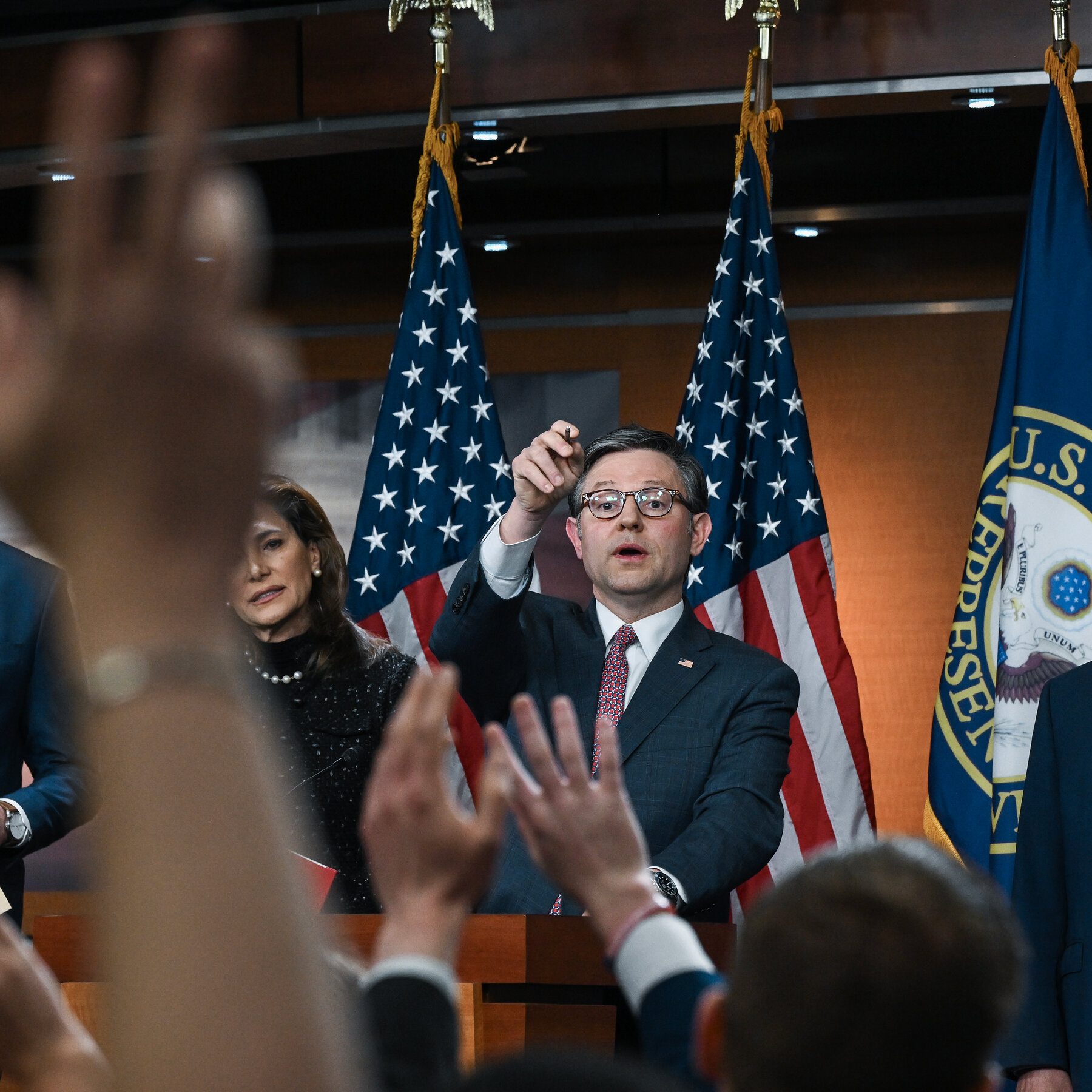
The prospect of a Section 702 FISA lapse moved from possibility to near certainty on Thursday, after the House of Representatives rejected a last-minute attempt to extend the controversial warrantless surveillance law. The defeat came as Democrats continued to protest President Donald Trump’s decision to temporarily install Bill Pulte, a mortgage agency director and MAGA loyalist, atop the U.S. intelligence community.
A Failed Vote
The measure went down 218-198, with 19 Republicans joining nearly all Democrats in opposition. Because House Speaker Mike Johnson used a fast-track parliamentary tool to bring the bill to the floor, it needed a two-thirds majority to advance, a threshold it fell well short of.
The outcome all but guarantees that Section 702 of the Foreign Intelligence Surveillance Act, a post-9/11 spy tool both parties have long called vital to national security, will lapse for the first time. The program is set to expire at midnight Friday, with lawmakers leaving Washington Thursday without a deal in hand.
Finger-Pointing Over Who’s to Blame
House Majority Leader Steve Scalise placed the blame squarely on Senate Democrats, arguing they should have advanced a House-passed bill to fully reauthorize FISA back in April. Instead, the Senate opted for a short-term measure that the House later adopted, which now expires Friday.
The Senate, for its part, had signaled that the April House bill stood no realistic chance of clearing its 60-vote threshold. Scalise accused Senate Democrats of making a dangerous decision to block the country’s national security apparatus, insisting they would eventually have to refocus on protecting the nation.
The Pulte Controversy at the Center
Behind the deadlock lies a fierce fight over personnel. Speaker Johnson made multiple trips to the White House this week for direct talks with Trump, who urged Congress to extend the program by a few weeks to allow more time for negotiations.
Lawmakers had already passed several stopgap measures this year to keep Section 702 alive. But Democrats have refused to support any further extension following Trump’s appointment of Pulte, who has no national security experience, as acting director of national intelligence.
The position is the nation’s top intelligence post, and by law it requires a background in national security. Democrats have argued that placing Pulte in the role, even temporarily, is both dangerous and illegal. Some Republicans have also raised concerns about his qualifications, though most have argued that Section 702 is simply too important to let lapse.
Trump has indicated the appointment is not permanent, saying Pulte’s main job would be to carry out sweeping cuts at the Office of the Director of National Intelligence. Even so, he has refused to reverse the decision.
What Section 702 Actually Does
At its core, Section 702 allows the U.S. intelligence community to collect calls, texts, and emails from American telecommunications firms belonging to foreigners living abroad who are suspected of posing a threat.
The catch is that this warrantless collection can sometimes sweep up the data of American citizens who happen to be in contact with those foreign targets. That possibility has long worried privacy advocates and civil libertarians across the political spectrum.
The administration maintains the program is essential to keeping Americans safe, citing its role in thwarting terrorist attacks and enabling hostage rescues. Some lawmakers have pushed for the government to obtain a warrant before using the tool in cases involving U.S. citizens, but the administration and others argue such a requirement would slow down time-sensitive intelligence gathering.
A Pattern of Resistance
This is not the first roadblock the program has hit this year. The far-right House Freedom Caucus has repeatedly blocked attempts to reauthorize Section 702, and last week a group of right-wing Republicans helped vote down a bid to advance it in the Senate.
Some national-security-focused Democrats have worked throughout the year to broker a deal, including by making the case to their colleagues that the program was crucial. In recent weeks, Senate lawmakers appeared close to an agreement to renew the law, only for Pulte’s appointment to sink any potential deal.
In a statement ahead of Thursday’s vote, House Democratic leadership, including Rep. Jim Himes, the top Democrat on the Intelligence Committee, said a path to reauthorizing FISA exists but would require meaningful reforms. They explained their opposition to the bill as a refusal to simply kick the can further down the road.
What Happens Next
There may be a brief reprieve. A court that oversees FISA has ruled that Section 702 can continue operating into early next year even if Congress fails to renew it. The bigger question is whether the telecommunications companies that supply the data will keep cooperating, or whether they will stop out of fear they could face lawsuits without ongoing congressional authorization.
For now, a tool that both parties have called indispensable hangs in limbo, caught between a genuine debate over privacy and a political standoff over who should lead the nation’s intelligence agencies.
Author