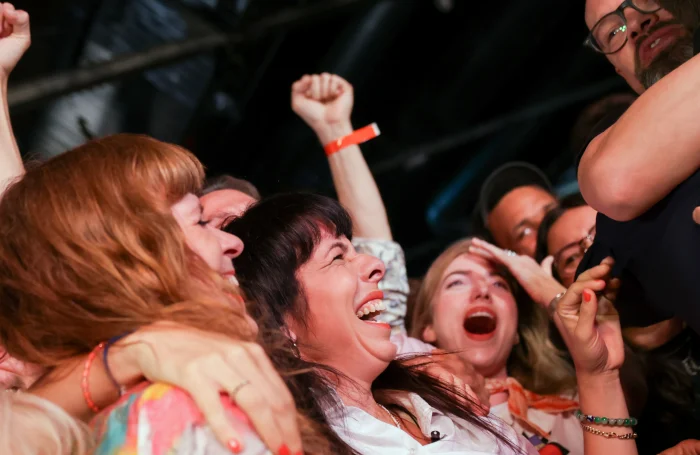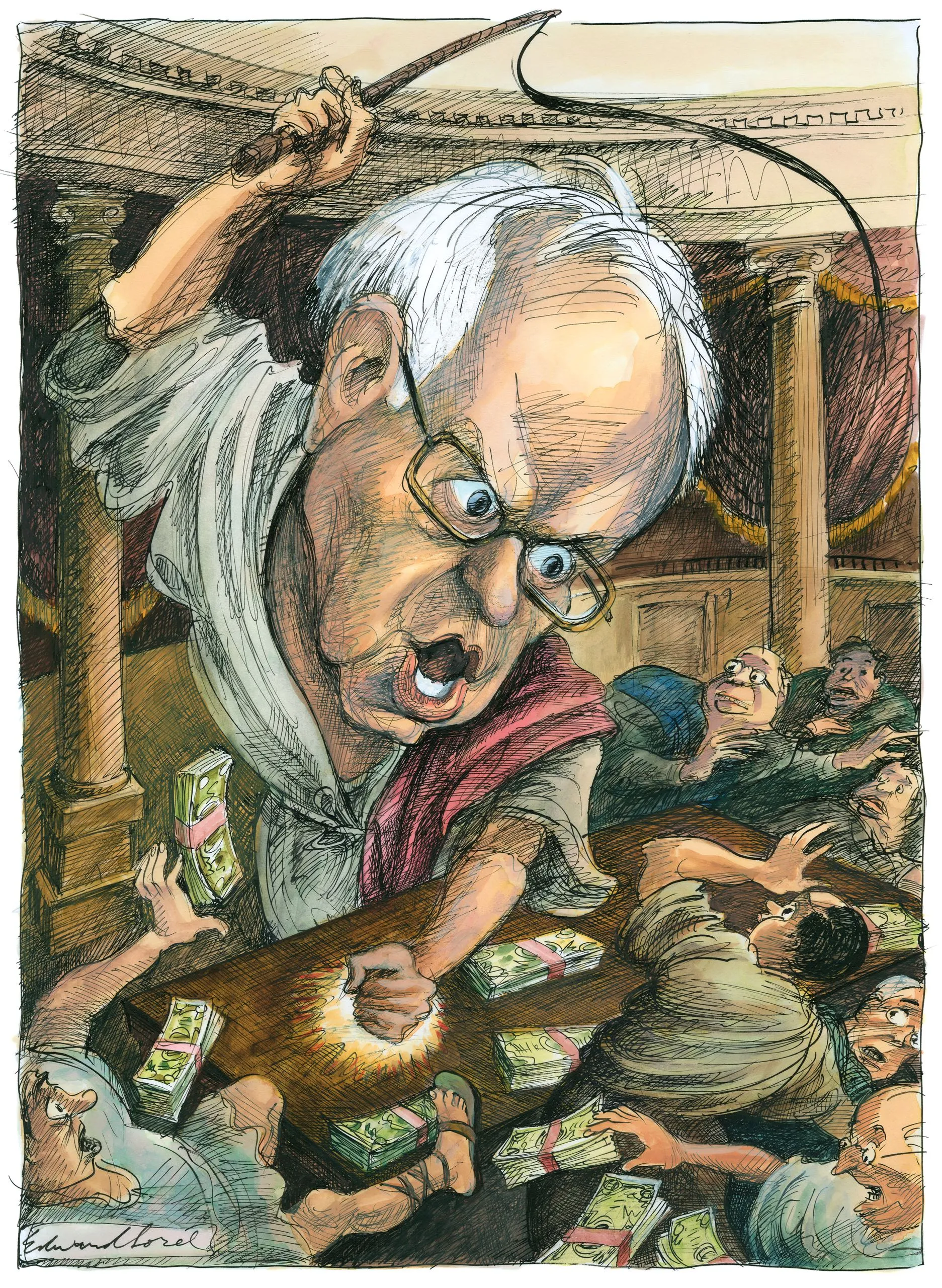
New York’s powerful incumbents are facing one of their toughest political seasons in years, as a wave of populist frustration sweeps through the state’s primary races. Across the board, voters are fed up with the cost of living and the political establishment, and that anger is opening the door for relative newcomers to challenge long-entrenched officeholders.
The mood is unmistakable. From upper Manhattan to Brooklyn to the upstate districts, candidates with little political experience are betting that an exasperated electorate will reward outsiders over familiar names. The result is a series of fierce intraparty battles whose outcomes could reshape the future of both major parties.
A State Full of Heated Primary Battles
The clearest sign of this shift is the sheer number of competitive primaries dividing party loyalists.
In upper Manhattan and the Bronx, Democratic Rep. Adriano Espaillat is working to hold off a serious challenge from community organizer Darializa Avila Chevalier. She’s running with support from New York City Mayor Zohran Mamdani, a democratic socialist who rode populist energy to victory the previous year.
Over in Brooklyn, Borough President Antonio Reynoso, the preferred successor of Rep. Nydia Velazquez, is up against first-term Assemblymember Claire Valdez. Like Avila Chevalier, Valdez is a member of the Democratic Socialists of America and carries Mamdani’s backing.
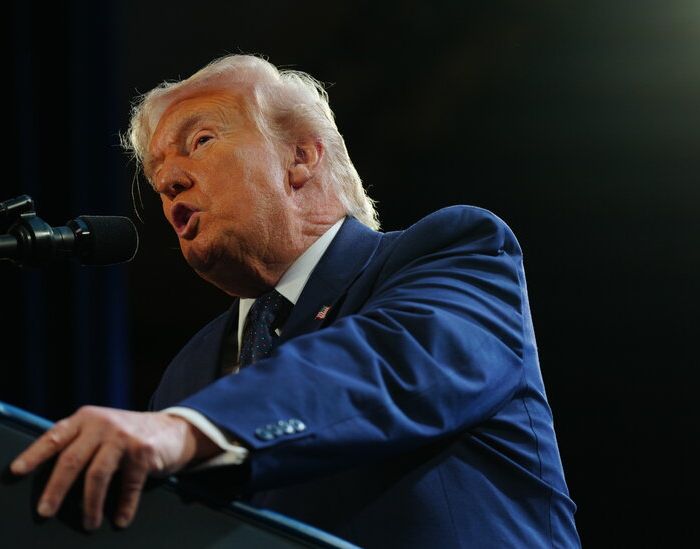
The dynamic isn’t limited to Democrats. Upstate, in the race to replace GOP Rep. Elise Stefanik, Republican Assemblymember Robert Smullen is battling Anthony Constantino, who has President Donald Trump’s endorsement. The contest has turned sharp and personal, mirroring the broader tension between establishment-backed figures and insurgent challengers.
Why Outsiders Are Gaining Ground
What’s driving all of this is a deep well of public frustration. Rising prices and dissatisfaction with Washington leadership have created an opening for candidates promising change, even those with thin résumés.
Republican pollster John McLaughlin summed up the climate bluntly, noting that anyone seen as part of the status quo is in trouble, while candidates who represent change tend to win. In his view, being tied to Washington insiders means losing touch with everyday people.
Former Democratic Rep. Steve Israel described the era as one of intense negative partisanship, where voters are willing to overlook a candidate’s flaws if it means defeating the opposing side. That tolerance, he explained, creates room for outsiders carrying tattoos, controversial social media histories, or other baggage that might once have sunk a campaign.
The numbers back up the sentiment. A recent Siena University poll found that 48 percent of New York voters believe the state is heading in the wrong direction, while a striking 65 percent feel the country is on the wrong track.
The Cost-of-Living Factor
Affordability concerns are at the heart of the unrest, and they aren’t unique to the United States. Similar pressures have rattled governments abroad, including the UK, where housing and utility costs have weakened the ruling Labour Party and complicated Prime Minister Keir Starmer’s leadership.
In the U.S., rising gas prices following Trump’s decision to launch a conflict with Iran have kept inflation stubbornly elevated, setting the stage for what many expect to be a difficult midterm season for Republicans. Democrats, while optimistic, are wrestling with their own internal divisions.
Establishment Leaders Under Pressure
Perhaps the most telling sign of the anti-establishment mood is how some candidates are distancing themselves from their own party’s leadership.
Several leading Democratic hopefuls have declined to commit to supporting House Minority Leader Hakeem Jeffries as speaker should Democrats retake the chamber. At a recent debate, Valdez said she wasn’t committed either way, while Reynoso took the opposite stance, warning that refusing to back leadership could leave a member sidelined and starved of resources for their district.
Senate Minority Leader Chuck Schumer is in an even more precarious spot. When asked whether they support his 2028 reelection bid, many candidates have either declined to endorse him or dodged the question entirely. The Siena poll found Schumer’s favorability at just 33 percent statewide, with 52 percent of voters viewing him unfavorably, including 40 percent of Democrats.
Former city Comptroller Brad Lander, who is challenging Democratic Rep. Dan Goldman, has leaned into this theme, arguing it’s time for new leadership in the party despite his own lengthy career in city government. Goldman, meanwhile, prefers to handle such questions when the moment arrives.
The Roots of the Movement
This appetite for change has been building for a while. According to Gustavo Gordillo, co-chair of the city’s DSA chapter, a major factor is frustration over the Democratic Party’s repeated failures to stop Trump. He argued that the national political situation has energized people who once felt disengaged.
The turning point came with last year’s mayoral race, when Mamdani ran as an outsider and managed to topple both then-Mayor Eric Adams and former Gov. Andrew Cuomo. That victory gave progressives a template.
Usamah Andrabi of Justice Democrats, the group that helped elevate the Squad, said Mamdani’s win offered a glimmer of hope to disaffected Democrats. The group is now backing Valdez and recruited Avila Chevalier, hoping to carry that momentum forward after a brutal 2024 cycle in which incumbents Jamaal Bowman and Cori Bush were both defeated.
The Case for Experience
Not everyone is convinced that inexperience is an asset. Some candidates and their allies argue that seasoned leadership matters more than ever in a polarized Washington.
A super PAC supporting Reynoso has run ads portraying him as someone ready to fight back, contrasting him with Valdez’s brief time in office. Goldman has repeatedly stressed that his congressional seniority is too valuable to surrender, calling Lander a “rookie” who would struggle in a divided Capitol. Espaillat, too, has questioned whether Avila Chevalier understands the legislative process, insisting the country needs experienced fighters who know how government works.
A Permanently Leveled Playing Field
A few forces are reshaping these contests in lasting ways:
- Social media has supercharged fundraising, allowing newcomers to compete financially with established figures.
- Widespread voter dissatisfaction has eroded the traditional advantages of incumbency.
- Partisan redistricting has produced fewer swing seats, making primaries the real battleground in deeply red or blue districts.
Even hand-picked successors aren’t guaranteed an easy path. In the crowded race for retiring Rep. Jerry Nadler’s seat, his apparent heir Micah Lasher has faced rivals eager to brand themselves as outsiders, despite many having political connections of their own.
As former GOP Rep. John Katko put it, Republicans must avoid angering Trump while Democrats must avoid upsetting the far left, leaving little room to maneuver in a system reshaped by gerrymandering. In this environment, New York’s powerful incumbents can no longer count on their titles alone to keep them safe.
Author