





Russia Ukraine peace talks are set to proceed in Abu Dhabi on November 10 and 11, the Kremlin confirmed on Tuesday, naming presidential aide Vladimir Medinsky as Moscow’s lead negotiator. The announcement came alongside two further developments that underscore the unusual shape of the diplomatic effort: a White House meeting on a local ceasefire to be hosted by First Lady Melania Trump, and Russian signals that a three-way summit between Vladimir Putin, Donald Trump and Xi Jinping could be finalised within days.
Medinsky to Lead for Moscow
Kremlin spokesman Dmitry Peskov told reporters on a conference call that Medinsky would head the Russian delegation at the talks, which the United States will mediate. Medinsky, a long-serving Putin adviser, has represented Russia in earlier rounds of negotiations with Kyiv, and his appointment suggests continuity in Moscow’s approach rather than a shift in personnel or priorities.
The confirmation followed Monday’s announcement by US Special Envoy Steve Witkoff that Washington would broker working-level discussions in the UAE, focusing on post-war security arrangements, steps to reduce hostilities and humanitarian concerns. Witkoff also said American negotiators would meet European and NATO officials in Brussels this week to address security guarantees for Ukraine and the financing of its reconstruction.
The First Lady’s Ceasefire Role
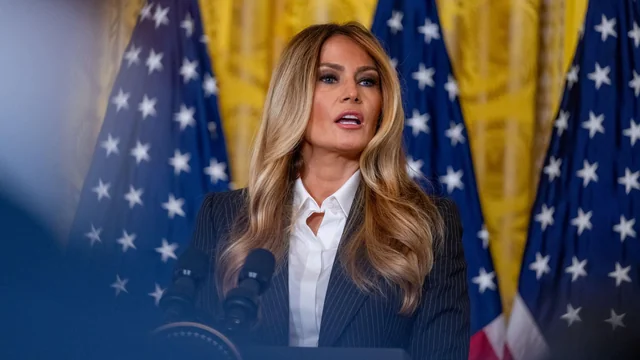
In a separate and distinctive track, the White House said Melania Trump will bring Russian and Ukrainian representatives together at the White House on Thursday to discuss a local ceasefire in the Kherson region. The first lady is scheduled to deliver remarks at 11am Eastern Time on the recent pause in fighting around the Russian-occupied city of Oleshky.
That six-day ceasefire, which the White House credited to the first lady’s involvement, ended on Monday. It was intended to allow residents to evacuate the city and surrounding areas. The White House described Thursday’s gathering as an extraordinary moment in American history but did not identify who would attend from either side.
Ukraine has cast a sceptical eye on the arrangement. On Monday, Kyiv accused Russia of exploiting the pause to strengthen its military positions in Oleshky rather than honouring its humanitarian purpose.
A Trilateral Summit Without Ukraine?
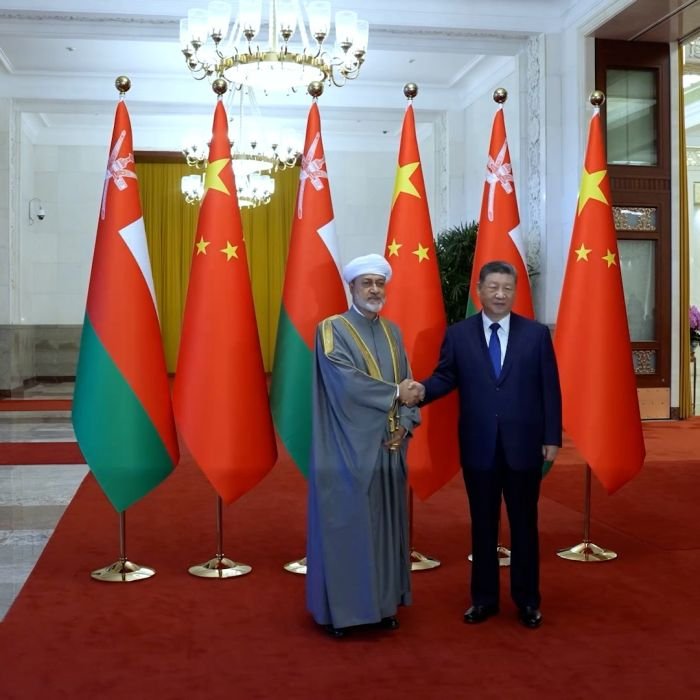
Perhaps the most consequential element of Peskov’s remarks concerned a potential meeting among the leaders of Russia, the United States and China. He said the Kremlin hoped to settle plans for the summit in the coming days.
The idea has been circulating since October, when reports emerged that the three powers were preparing to negotiate an end to the war without Ukrainian President Volodymyr Zelenskyy present. Zelenskyy has rejected that approach firmly. On October 20 he said any talks about Ukraine’s future could only be acceptable with Kyiv at the table, invoking the principle of nothing about Ukraine without Ukraine.
The prospect of great-power diplomacy over Ukraine’s head has deepened unease in Kyiv about Washington’s intentions and about whether Ukrainian sovereignty will be fully respected in any eventual settlement.
Strained Ties Between Washington and Kyiv
Relations between the United States and Ukraine have grown more fraught in recent weeks. Fighting has continued, with strikes on civilian and energy infrastructure on both sides, and a series of decisions by the Trump administration in October raised questions about the reliability of American support for Kyiv’s military effort.
Zelenskyy has also warned that Russia may be preparing a major new assault on Ukrainian energy and logistics facilities and has urged Washington not to let the midterm elections distract from Ukraine’s air defence needs or from applying pressure on Russian oil and gas revenues.
The convergence of multiple diplomatic channels, some including Ukraine and some potentially excluding it, reflects both the intensity of the push to end the war and the lack of a single agreed framework for doing so.
Three Tracks, One Goal
The Abu Dhabi talks represent the most formal of the current efforts, bringing Ukrainian and Russian negotiators together under American mediation to address the structural questions of a settlement. The Brussels meetings aim to lock in European commitments that would underpin any agreement. The first lady’s Kherson initiative operates at a more localised level, focused on immediate humanitarian relief.
Hovering above all three is the possibility of a Putin-Trump-Xi summit that could, in theory, impose a broader framework from the top down. Whether such a meeting would complement or override the Abu Dhabi process is unclear, and the answer may determine how Ukraine responds.
What to Watch
The coming days will test whether these parallel efforts cohere. Key indicators include whether the trilateral summit is confirmed and whether Ukraine is given any role in it, what emerges from Brussels on security guarantees, and whether the Abu Dhabi talks produce tangible progress or merely restate known positions.
For Zelenskyy, the challenge is to remain central to a process that increasingly involves powers negotiating around him. For Moscow, the array of channels offers opportunities to play one against another. And for Washington, the task is to reconcile its stated support for Ukraine with a diplomatic strategy that has at times appeared to sideline Kyiv.
The war, now nearing its fifth year, has reached a moment of unusual diplomatic activity. Whether that activity translates into peace, and on whose terms, remains the open question.
Author