A fresh Russia drone warning to Europe has sharpened tensions across the continent, after a senior Russian official cautioned that incidents like the recent one in Romania are far from over. Speaking on Friday, Dmitry Medvedev, the deputy chair of Russia’s influential Security Council, told European leaders that drones would keep drifting into their territories and that their citizens should no longer expect to rest easy.
A Blunt Message From Moscow
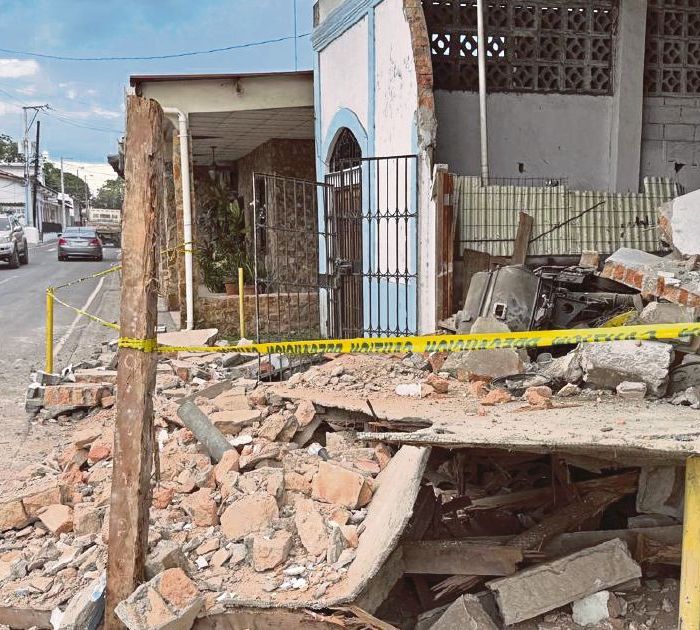
Medvedev’s remarks landed at a moment of heightened friction between Russia and the West. His comments came directly in response to NATO, which had accused Moscow of reckless conduct and vowed to protect every inch of allied territory. That pledge followed an alarming episode in Romania, where officials reported that a Russian drone had crashed into an apartment building during an attack aimed at neighboring Ukraine.
Rather than expressing regret, Medvedev took a defiant tone. He argued that it still remained unclear which country the drone actually belonged to, while simultaneously dismissing European outrage as hollow. In his view, European leaders had no standing to complain, since he claimed they were already active participants in the conflict against Russia.
“This Will Continue to Happen”
Medvedev did not soften his message. He stated plainly that Europeans should prepare themselves, insisting that such incidents would keep occurring. Framing the situation as an ongoing war, he suggested that the populations of EU nations, which he characterized as belligerent parties, would no longer be able to sleep peacefully.
He went further, predicting that these episodes would be especially common in regions where drones are being manufactured for Ukraine. According to Medvedev, European-made drones, along with their components and other weaponry, are used in daily attacks against Russia.
His argument rested on a familiar Russian narrative: that Western involvement is fueling the conflict and causing real harm. He claimed that as a result of these actions, residential buildings inside Russia are being damaged and civilians are losing their lives.
The Broader Accusation
Beyond the immediate warning, Medvedev’s statement reflected a wider effort by Moscow to reframe the conflict. By pointing to European drones, spare parts, weapons, and intelligence support flowing toward Ukraine, he sought to portray Europe not as a bystander but as a direct combatant.
This framing serves a clear purpose. It allows Russia to justify its rhetoric while shifting responsibility for any cross-border incidents onto the very countries raising alarms. From the Kremlin’s perspective, the message is that European nations cannot supply one side of a war and then claim innocence when the consequences spill over their borders.
The Kremlin Responds
The Romania incident reached the highest levels of the Russian government. State news agency TASS reported earlier on Friday that President Vladimir Putin had been informed about the drone crash, signaling that the matter was being treated with serious attention in Moscow.
The diplomatic fallout was swift. Romania responded to the episode by deciding to shut down the Russian consulate in Constanta, a pointed retaliatory move. In turn, the Russian Foreign Ministry announced that Moscow would respond quickly to that decision, suggesting that further diplomatic escalation may be on the horizon.
Reading Between the Lines
What makes this exchange especially significant is the way each side is positioning itself. NATO’s promise to defend every inch of allied territory is a clear signal of resolve, intended to reassure member states that an attack on one is treated as a concern for all. Romania, as a member of the alliance, sits at the front line of that commitment.
Medvedev’s response, by contrast, appears designed to unsettle. His language about citizens being unable to sleep peacefully is less a statement of policy than a form of psychological pressure, aimed at eroding public confidence across Europe.
There is also a strategic logic at play. By keeping the question of the drone’s origin deliberately open, Russia preserves a degree of plausible deniability. At the same time, by warning that more incidents will follow, it stops short of formally claiming responsibility while still projecting an air of menace.
Why It Matters for Europe
For European populations, this kind of rhetoric carries real weight. The prospect of drones crossing into NATO territory, whether by accident or design, raises difficult questions about security, escalation, and how the alliance should respond to incidents that fall short of a direct attack but still threaten civilian safety.
The Romania episode demonstrates how the war in Ukraine can ripple outward, drawing neighboring countries into its orbit even when they are not direct participants. Each incident tests the boundaries of NATO’s commitments and forces leaders to weigh firm responses against the risk of further escalation.
A Tense Road Ahead
As accusations fly between Moscow and Western capitals, the situation shows little sign of cooling. Medvedev’s warning, paired with Romania’s decision to expel Russian diplomatic presence in Constanta, points toward a period of continued friction rather than resolution.
The latest Russia drone warning to Europe underscores just how fragile the current moment has become. With both sides hardening their positions, and with civilian buildings now caught in the crossfire on multiple fronts, the coming weeks may reveal whether these incidents remain isolated flashpoints or evolve into something far more dangerous for the continent as a whole.
For now, Europe finds itself bracing, both for the drones Medvedev promises will come and for the broader uncertainty that his words leave behind.
Author