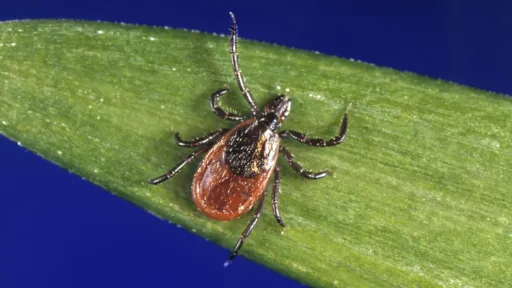
Tick Bite ER Visits Climb Sharply Across Western States as 2026 Spring Season Breaks Records
Tick bite ER visits have surged dramatically across western states this spring, with new data from the Centers for Disease Control and Prevention showing a sharp rise that has caught the attention of public health officials. Emergency rooms throughout the region are seeing patients walk in with tick-related concerns at levels not witnessed in years, raising fresh worries about what the rest of the warm season may bring.
Why This Spike Matters
Tick bites are far from a minor nuisance. According to Alison Hinckley, an epidemiologist with the CDC, these small parasites have the potential to cause serious illness in those they latch onto. Roughly thirty-one million Americans are bitten by ticks every single year. Of those, an estimated four hundred seventy-six thousand people end up receiving treatment for Lyme disease alone. The numbers paint a clear picture of just how common and widespread the threat really is.
Most cases never get diagnosed, treated, or even noticed in time. That makes the recent jump in emergency room visits a particularly important warning signal. When ER traffic rises this fast, it usually means the broader community is encountering ticks at a much higher rate than usual.
A Region-Specific Threat
While Lyme disease tends to dominate national conversations about tick illness, the situation in western states looks a bit different. Lyme disease is carried primarily by the western black-legged tick, which does live in places like Utah, but actual encounters with this species remain relatively rare. State health departments still encourage caution, but it is not the main concern in this part of the country.
Instead, the bigger worry for residents of the western United States is Colorado tick fever. This illness might not carry the same name recognition as Lyme disease, but it is far more common in the region and can still leave people feeling miserable for days or weeks.
Understanding Colorado Tick Fever
Colorado tick fever produces symptoms that often mimic the flu. Patients typically experience fever, chills, headache, body aches, and an overall sense of exhaustion that lingers far longer than expected. While most people recover without lasting damage, rare cases can escalate into something more serious involving the central nervous system, according to the CDC.
In other words, the illness is usually manageable but not something to brush off. A trip to the emergency room may sometimes be necessary, especially when symptoms become severe or when the patient is a young child or older adult.
Why This Season Hit So Early
Tick activity in regions like Utah typically peaks from late spring through mid-July. These tiny pests begin emerging shortly after snow melts in mountainous and high-elevation areas. This year, the snow melted noticeably earlier than usual throughout much of the western US, giving ticks an extended head start. With warmer weather arriving sooner, populations had additional time to grow, hunt for hosts, and spread into new territories.
Public health experts believe this early start helps explain why ER numbers are climbing so quickly. People simply are not expecting to deal with ticks yet, leading to more accidental encounters during hikes, gardening sessions, camping trips, and even routine yard work.
The Numbers Tell the Story
According to preliminary information from the CDC’s Tick Bite Tracker, the rate of ER visits for tick bites in western states during April rose more than forty percent compared to April of the previous year. That kind of year-over-year increase is staggering and indicates a meaningful shift in how often people are coming into close contact with ticks.
The trend is not limited to one region either. Nearly every part of the United States is reporting weekly tick bite ER visit rates that are the highest for this time of year since 2017. The CDC has been openly tracking the situation through its public alert system, hoping the data helps Americans take precautions seriously before the height of summer arrives.
Climate Change Plays a Major Role
Behind the long-term rise in tick populations sits a much larger force: climate change. Warmer winters, milder springs, and increasingly humid conditions have created near-perfect breeding environments for ticks across more parts of the country.
Goudarz Molaei, who oversees the Tick and Tick-Borne Disease Surveillance Program at the Connecticut Agricultural Experiment Station, has explained that shifting weather patterns are helping ticks multiply faster while also pushing them into regions where they were not previously a problem. Areas that once experienced harsh winters that killed off large numbers of ticks now offer them year-round survival opportunities.
This trend means more bites, more illness, and more pressure on hospitals as well as outdoor enthusiasts who must take extra precautions during the warmer months.
Beyond Lyme: A List of Tick-Borne Threats
Lyme disease remains the most well-known tick illness in the United States, but it is far from the only one. Ticks can carry and transmit a variety of dangerous diseases that affect different parts of the body. Rocky Mountain spotted fever is a serious bacterial infection that can become life threatening if not treated quickly. Babesiosis attacks red blood cells and can cause anemia along with severe flu-like symptoms.
Then there is alpha-gal syndrome, an unusual condition that causes affected individuals to develop allergic reactions to red meat after being bitten by a Lone Star tick. The growing list of tick-related illnesses highlights just how diverse the risks are when these tiny parasites enter the picture.
How to Stay Safe
With tick activity ramping up, taking simple precautions can make a significant difference. Wearing long sleeves and pants during outdoor activities, using insect repellents containing DEET or permethrin, and staying on cleared trails when hiking are all proven ways to reduce exposure.
After spending time outdoors, performing a thorough body check is essential. Common hiding spots include the scalp, behind the ears, under the arms, around the waistline, and behind the knees. Pets should also be inspected carefully, since they can easily bring ticks into homes where the parasites might then find human hosts.
If a tick is found attached to the skin, it should be removed promptly using fine-tipped tweezers. The CDC recommends grabbing the tick as close to the skin as possible and pulling upward with steady pressure. After removal, the bite area should be cleaned thoroughly, and any unusual symptoms in the following days or weeks should prompt a visit to a healthcare provider.
The Road Ahead
This spring’s surge in tick bite ER visits is a clear signal that Americans, especially those living in or visiting western states, need to take tick safety seriously. As climate patterns continue shifting and tick populations expand, what was once considered a regional or seasonal nuisance is becoming a year-round public health concern.
The good news is that awareness and prevention can go a long way. By staying informed, taking precautions outdoors, and seeking prompt medical care when bites occur, people can dramatically reduce their risk of serious illness. The ticks may be out in force this year, but knowledge remains one of the most powerful tools for staying healthy.
Author