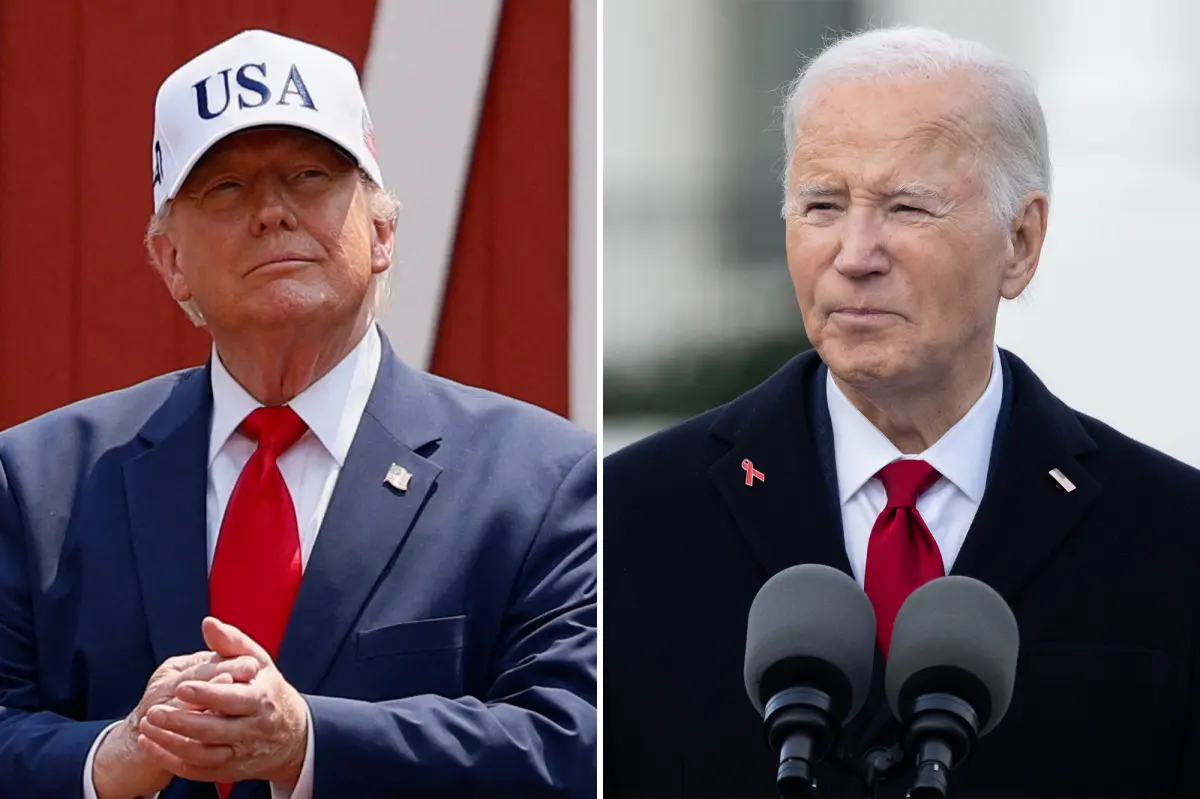
Trump pardons made headlines again on Friday as the president extended clemency to 11 individuals, a group that included nine people convicted of violating a major environmental law and a former business associate tied to disgraced lobbyist Jack Abramoff. The move quickly drew attention for both its environmental implications and its political connections.
A Batch of Clemency Grants
The pardons covered a varied set of cases, but the largest cluster centered on vehicle emissions offenses. According to details shared with the Associated Press, the White House released a list of all 11 individuals granted relief.
Nine of those named had faced charges connected to tampering with vehicle emissions systems. Their alleged conduct involved either disabling emissions monitoring equipment on vehicles or selling devices designed to help drivers bypass those controls, both of which run afoul of the Clean Air Act.
Framing the Pardons as a Fight for Drivers
Earlier in the day, Trump previewed some of the clemency decisions in a post on his Truth Social platform. In that message, he referenced granting relief to six men without publicly identifying them.
The president framed the pardons as a corrective to what he described as unfair treatment. He argued that the men had been “persecuted” during Joe Biden’s administration simply for “fixing their car,” casting the prosecutions as government overreach against ordinary people working on their own vehicles.
This messaging fits into a broader stance Trump has taken on the issue. Just days earlier, on Monday, he signed a memo directing the Environmental Protection Agency to recognize that Americans should be free to repair their vehicles however they choose.
A Pattern on Emissions Enforcement
Friday’s action was not the first time Trump has intervened in cases like these. As he signed Monday’s memo, he pointed to a diesel mechanic he had pardoned the previous year, someone who had also disabled emissions monitoring systems.
The pardons align with a wider rollback of environmental regulations under his administration. Back in February, the Trump administration scrapped federal tailpipe emissions standards for cars and trucks. That decision reversed a key scientific determination from Barack Obama’s presidency, which had concluded that greenhouse gas emissions pose a danger to human health.
Taken together, these steps signal a consistent effort to loosen environmental enforcement, particularly around vehicle emissions, and to reframe such regulations as burdens on everyday Americans rather than public health protections.
The Abramoff Connection
Beyond the emissions cases, one pardon stood out for its ties to a notorious chapter in Washington history. Trump also granted clemency to Adam Kidan, who currently serves as president of Empire Workforce Solutions.
Kidan’s legal troubles date back nearly two decades. He was imprisoned in 2006 alongside Jack Abramoff, the once-powerful lobbyist and millionaire whose name became synonymous with political corruption scandals of that era.
The charges against Kidan stemmed from a high-profile business deal. He had pleaded guilty to fraud and conspiracy related to the 2005 purchase of a fleet of gambling boats, ultimately being convicted on wire fraud. He was released from prison in 2009.
A Recent Political Link
Kidan’s pardon is notable not only for its history but also for his more recent ties to Trump’s political orbit. Earlier this year, in March, a local New York outlet reported that Kidan was among those hosting a fundraiser at Trump’s Mar-a-Lago resort.
That event was held in support of a Republican congressional candidate on Long Island, placing Kidan within the president’s circle of political supporters shortly before receiving clemency. The timing has raised familiar questions about the intersection of political relationships and presidential pardons.
What the Pardons Reveal
Presidential pardons always carry symbolic weight, and this latest round is no exception. The emissions-related grants reinforce Trump’s broader deregulatory agenda, sending a clear message that his administration views strict emissions enforcement as excessive and worthy of reversal.
For supporters, the pardons represent a defense of individual freedom and pushback against what they see as heavy-handed environmental rules. For critics, they signal a troubling weakening of protections designed to safeguard air quality and public health.
The Kidan pardon, meanwhile, revives longstanding debates about how personal and political connections can factor into clemency decisions. When someone recently linked to a president’s fundraising efforts receives a pardon for past fraud convictions, it inevitably invites scrutiny.
A Continuation of Broader Priorities
Friday’s pardons do not exist in isolation. They reflect themes that have defined much of Trump’s approach, including a skepticism of environmental regulation, a willingness to challenge policies from previous administrations, and a readiness to use executive clemency in ways that spark discussion.
By combining environmental cases with a politically connected pardon in a single day, the announcement captures several threads of the administration’s governing style at once. It underscores how the president continues to wield the pardon power both as a policy statement and as a tool that touches his political relationships.
Looking Ahead
As with many clemency decisions, the full impact of these pardons may unfold over time. The emissions-related grants could embolden others who oppose vehicle emissions rules, while the environmental community is likely to view them as part of a concerning pattern.
For now, the 11 pardons stand as another example of how Trump is using presidential authority to advance his priorities, reward allies, and reshape the enforcement landscape around issues he has long criticized. Whether viewed as justice restored or protections eroded, the decisions are certain to remain a point of debate in an already polarized political climate.
Author