Trump Iran peace deal talks took another dramatic turn on Thursday when President Donald Trump announced he had pulled back planned military strikes on Iran, pointing to what he described as real movement toward ending the fighting. It marked yet another swing in a months-long cycle of threatening force and then stepping away from it.
A Sudden Reversal in the Oval Office
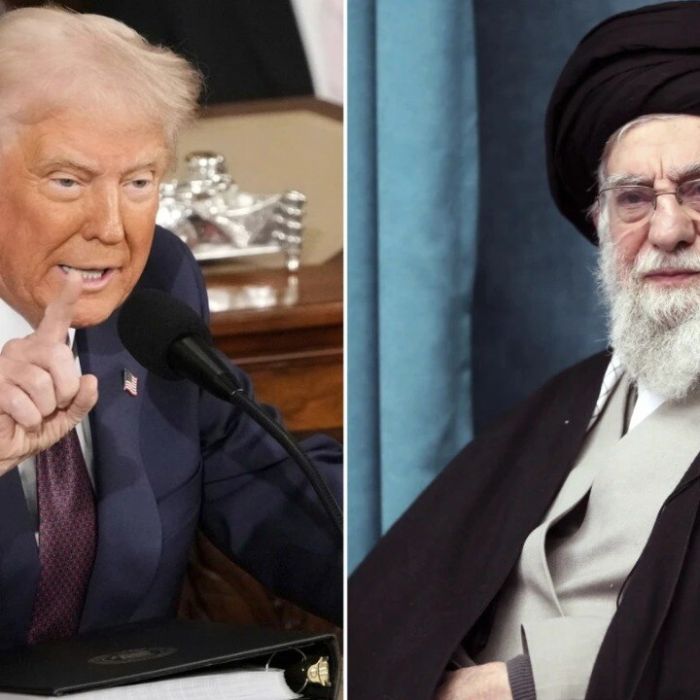
Sitting in the Oval Office, Trump told reporters that an agreement to stop the hostilities might be signed “maybe this weekend.” Once that happens, he said, the United States would immediately drop its naval blockade of Iran.
According to Trump, the deal would prevent Iran from ever acquiring nuclear weapons, a goal he has repeatedly described as central to his decision-making on whether to attack. Whether Iran’s leadership had actually agreed in writing remained unclear, though Trump insisted they had signed on.
When reporters pushed him on whether a deal was truly within reach after weeks of stalled attempts, Trump argued that Iran’s current leaders were far more level-headed than those before them and were exhausted by repeated American strikes.
“We knocked out the first team of leadership,” he said, describing the newer figures as sharper and more reasonable.
The White House offered no additional specifics about what the potential agreement would contain.
Threats Just Hours Earlier
The calm tone was a sharp departure from Trump’s words earlier that same day. After Iran unleashed waves of attacks on U.S. bases across the Middle East, he had warned on Truth Social that American forces would hit Iran “VERY HARD TONIGHT.”
He went further, suggesting the U.S. would move to seize control of Iran’s oil and gas resources. Trump specifically named Kharg Island, claiming Washington would eventually take it over along with other energy facilities and dominate the country’s oil and gas markets, comparing the move to U.S. actions in Venezuela.
Hours later, he reversed course, writing that final discussions had reached “the highest level of Iranian leadership” and been approved. He then called off the strike.
How Solid Is the Agreement?
Pressed on whether this was a finished deal, Trump described it as a strong but somewhat “conceptual” memorandum of understanding, adding that other nations backed its terms.
An Iranian official, speaking anonymously, said he had not seen any formal confirmation from Tehran but believed Trump’s remarks hinted at “good ground for a deal.”
Why Kharg Island Matters
Kharg Island sits roughly 15 miles off Iran’s coast in the Persian Gulf and serves as the backbone of the country’s oil economy. Around 90 percent of Iran’s oil exports flow through it. U.S. forces struck military targets there in March, but Iran said its oil operations kept running.
The island has long been floated as a possible target for a ground invasion, a move that could hand the U.S. control of a vital asset while also exposing American troops to serious danger.
Speaking to Fox News, Trump admitted that seizing the island had always been his preference, but he questioned whether the country had the appetite for it.
“You’d make a fortune, but I don’t know that America has the stomach,” he said, acknowledging public fatigue over a war that has driven global energy prices higher.
Markets React to Every Shift
Trump’s back-and-forth rattled financial markets once again. Oil futures fell 3 to 4 percent right after his post calling off the strikes. Prices later climbed, dipped, and shifted again as he spoke about a possible signing.
A Week of Intense Fighting
The latest moves followed the most heated stretch of combat since the U.S. and Iran reached a fragile ceasefire in April. The current spiral began over the weekend after an Israeli airstrike in southern Beirut targeted Hezbollah. That triggered the first direct exchanges between Iran and Israel since spring, with both firing missiles until Trump demanded they stop.
Tensions worsened when Iran downed a U.S. Army Apache helicopter in the Strait of Hormuz, prompting Trump to order retaliatory strikes that further endangered the shaky truce.
Just a day earlier, Trump had vented his frustration online, accusing Iran of being “all talk and no action” and warning they would “pay the price.” U.S. Central Command later confirmed strikes on Iranian communication systems and air defense sites.
Iran’s Counterattacks
Iranian state media said Thursday’s attacks targeted five locations across Kuwait, Bahrain and Jordan, including major air bases and the U.S. Fifth Fleet headquarters. Tehran’s Foreign Ministry declared the April ceasefire effectively “meaningless.”
Jordan reported intercepting 20 missiles. Kuwait briefly shut its airspace, and Bahrain said it stopped missile and drone attacks, though an 11-year-old girl was hurt by falling debris.
Allies and Global Concern
Israeli Prime Minister Benjamin Netanyahu, while noting Israel was not part of the proposed memorandum, welcomed Trump’s pledge that any final deal would include removing enriched material, dismantling enrichment infrastructure, limiting missile production, and ending Iran’s support for regional proxies.
U.N. Secretary General António Guterres warned that the fallout from further escalation would reach far beyond the Middle East. “The ceasefire is more like a lesser-fire,” he said, urging an end to the attacks.
Qatar condemned the renewed Iranian strikes, while the conflict’s reach widened at sea. Centcom said it disabled a third commercial ship this week for allegedly breaking the U.S. blockade. India confirmed three of its nationals were killed aboard one vessel and summoned the U.S. chargé d’affaires in response.
An Uncertain Path Forward
The renewed violence threatens to derail long-running negotiations that Trump claimed were in their “final throes.” Defense Secretary Pete Hegseth struck a combative tone, saying that if the U.S. needed to “negotiate with bombs,” it would.
For now, the world watches a fragile ceasefire teeter between diplomacy and renewed war, with Trump’s shifting signals leaving the outcome anyone’s guess.
Author