Trump Signs “Sanctions From Hell” Law Against Russia, Retains 30-Day Window And Waiver Power
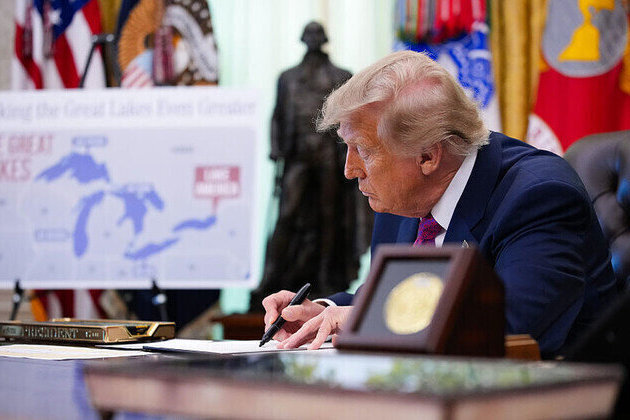
The sanctions from hell Russia legislation has officially become US law, as President Donald Trump signed a sweeping new package of restrictions targeting Moscow, giving himself broad authority to impose penalties while retaining flexibility to suspend them when he deems necessary.
What The New Law Actually Does
A White House statement confirmed that the legislation authorizes and expands existing statutory sanctions, tariffs, and prohibitions against Russia. The bill originated with Republican Senator Lindsey Graham, who passed away in July 2026, making this legislative achievement something of a final legacy project for the late lawmaker.
Under the law’s provisions, Trump now holds authority to impose tariffs as steep as 100 percent on US imports from the five countries that purchase the most Russian energy products. The legislation also establishes sanctions targeting Russian defense, energy, and financial institutions, along with measures aimed at Russia’s so-called shadow fleet of vessels used to circumvent existing restrictions, plus sanctions directly targeting the country’s leadership.
Interestingly, the bill’s final form represents a significant scaling back from its original ambitions. Graham and his Democratic co-sponsor, Senator Richard Blumenthal, had initially proposed far more aggressive tariffs of up to 500 percent on any buyer of Russian oil and gas, a threshold that was later reduced during the legislative process.
Timeline And Presidential Flexibility
The law requires Trump to implement most of these sanctions within 30 days after the legislation takes effect. However, the president retains significant discretion, holding authority to suspend the restrictions entirely if he determines that national security considerations require it.
This flexibility has drawn particular attention given that China and India currently rank as the largest importers of Russian oil globally. Critics of the legislation have pointed out that it grants the president remarkably broad discretion in selecting which countries actually face sanctions, since the law doesn’t name specific nations or establish a clear mechanism for determining which countries qualify as major importers of Russian oil and gas.
Timing Tied To Diplomatic Calculations
According to Reuters, Trump’s decision to sign the legislation now may be strategically connected to his upcoming meeting with Chinese leader Xi Jinping scheduled for September 24th, with the new law potentially providing additional negotiating leverage heading into those talks. The news agency also suggested that any actual announcement of new tariffs could face delays tied to the upcoming midterm elections in early November, since new tariffs would likely push oil prices even higher at a time when American voters are already expressing frustration over rising costs.
Adding another layer of complexity, The New York Times reported just a day before the signing that Trump, known for employing carrot-and-stick negotiating tactics, currently appears to be favoring incentives over punishment in his broader approach to Russia. According to that reporting, the US administration is reportedly considering potential business deals with Russia even before any resolution to the war in Ukraine has been reached.
Ukraine’s Response
Ukrainian President Volodymyr Zelensky expressed gratitude toward Trump for signing what he described as critically important legislation. Zelensky suggested that the most meaningful way to honor Graham’s memory would be ensuring the law’s provisions are implemented fully and swiftly. He added that the ultimate reward for everyone working to pressure Russia toward ending its war would be genuine peace, along with resolution of all the problems and challenges the conflict has created.
Russia’s Response
The Kremlin had not yet issued official comment on Trump’s decision to sign the sanctions law. However, Russian presidential spokesman Dmitry Peskov previously stated, after Congress initially approved the legislation, that the new sanctions would complicate ongoing negotiations aimed at ending Russia’s war with Ukraine.
On the morning of September 19th, Dmitry Medvedev, the former Russian president who now serves as deputy head of Russia’s Security Council, offered a considerably more combative response through a post on his Telegram channel. He suggested that Western nations only understand the language of direct military deterrence, using notably harsh language to characterize the legislation and its late Senate sponsor.
Author