The latest round of U.S.-Iran talks has produced what officials are calling an encouraging start, with Vice President JD Vance announcing that Iran has agreed to allow nuclear inspectors back into the country. Yet even as optimism builds on the American side, Tehran is offering a more cautious view, and back home the Pentagon is quietly seeking tens of billions of dollars in additional funding tied to the conflict.
The developments paint a picture of negotiations that are moving forward, but remain fragile and politically charged.
A “Very Good” First Day of Negotiations
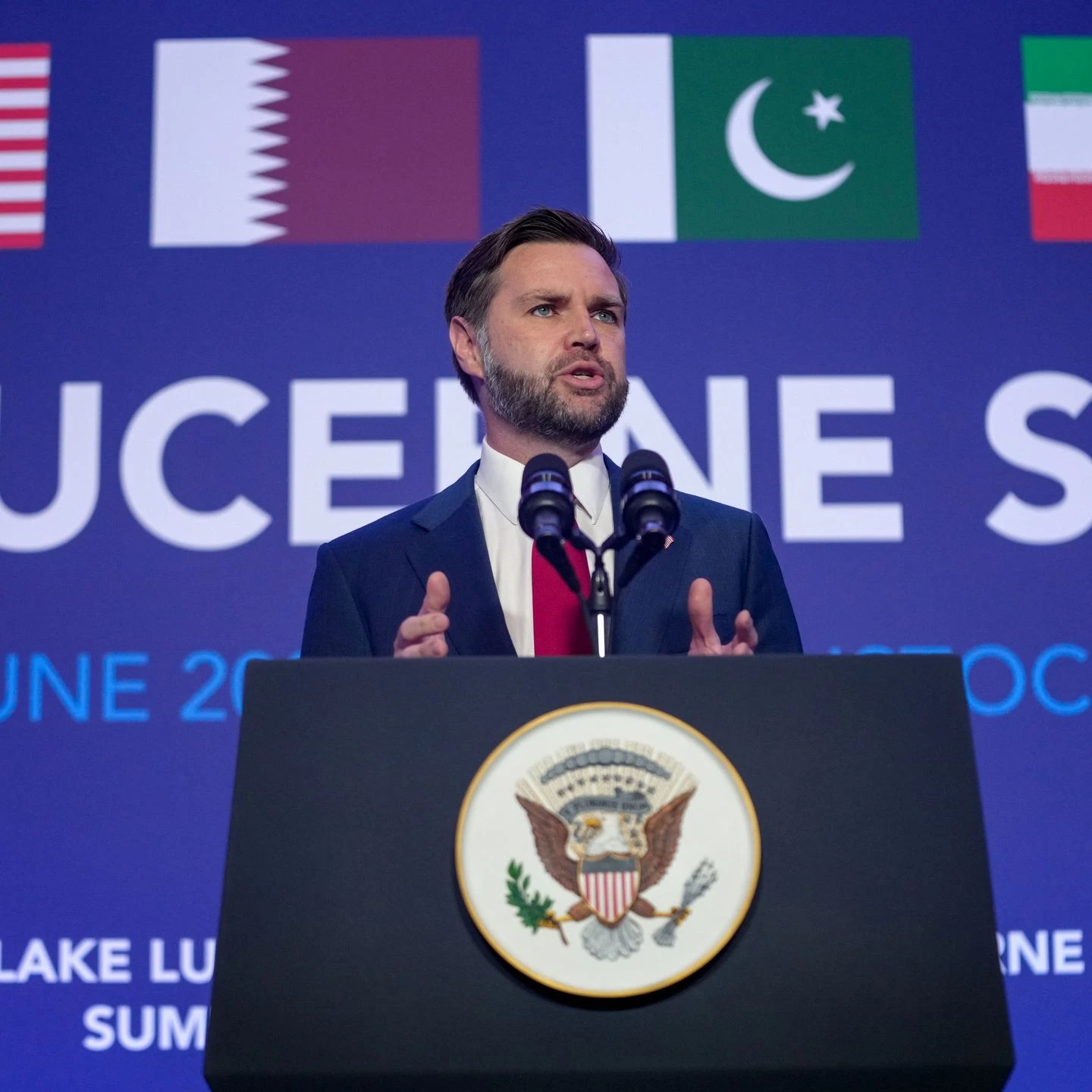
Speaking on Monday, Vice President Vance described the opening day of U.S.-Iran negotiations in Switzerland as “very, very good.” The headline takeaway from his remarks was that Iran would permit nuclear inspectors to return, a significant step given the long-running disputes over the country’s nuclear program.
However, Iran’s framing of the situation has been notably more reserved. The country’s foreign ministry said earlier that genuine negotiations on the nuclear issue have not actually begun yet, suggesting the two sides may not be as closely aligned as the upbeat American assessment implies.
That gap in messaging hints at the delicate nature of the talks, where early goodwill has not yet translated into substantive agreement on the core nuclear question.
Steps to Avoid Conflict at Sea
Beyond the nuclear issue, mediators reported progress on reducing the risk of accidental confrontation in one of the world’s most strategically important waterways.
According to mediators, the two sides agreed to establish a line of communication aimed at preventing “incidents and miscommunication” in the Strait of Hormuz. The goal is to help ensure that commercial vessels can pass safely through the vital channel, which carries a substantial share of global energy shipments.
This kind of practical, confidence-building measure could prove important in keeping tensions from spiraling, even as the larger diplomatic questions remain unresolved.
Testing the Ceasefire on Multiple Fronts
Another key outcome involved efforts to uphold a broader ceasefire. Iran, the United States, and Lebanon agreed to create what officials described as a “deconfliction cell.”
The purpose of this mechanism is to ensure that the U.S.-Iran agreement’s call for a ceasefire on all fronts, including in Lebanon, is actually respected on the ground. Iran’s foreign minister characterized this as the first real test of the negotiations, signaling that how well the ceasefire holds could shape the credibility of the entire diplomatic effort.
The Pentagon’s $80 Billion Request
While diplomacy unfolds abroad, a major financial story is developing in Washington. The Pentagon has informed senators that it needs roughly $80 billion, with most of that sum intended to cover the cost of the U.S. war against Iran.
This request adds to an already substantial increase in military spending being sought by President Trump. According to reports, the situation has been unfolding as follows:
- The White House Office of Management and Budget has not yet submitted a formal request to Congress
- Defense Secretary Pete Hegseth has been meeting with lawmakers on Capitol Hill, including on Monday evening
- A top deputy defense secretary briefed senators about the Iran funding request the previous week
The Wall Street Journal was first to report on these developments.
A Politically Fraught Moment
The timing of the funding push could hardly be more sensitive. The request arrives just as lawmakers are expressing skepticism about the memorandum of understanding that Trump recently struck with Iran, and many are wary about what comes next.
The financial stakes are enormous. The White House has requested a striking $1.5 trillion for the Pentagon, representing a nearly 50 percent increase over the current fiscal year’s funding levels.
That scale of spending is likely to face serious resistance. Lawmakers who oppose Trump’s decision to go to war are expected to push back, and many are reluctant to approve additional Pentagon funding at a time when Americans are grappling with the high cost of living at home.
What to Watch Next
Taken together, the latest updates capture a conflict caught between cautious diplomatic progress and significant domestic friction. On one hand, the resumption of nuclear inspections, the communication line in the Strait of Hormuz, and the deconfliction efforts in Lebanon all point toward de-escalation. On the other, the disagreement over whether real negotiations have even begun, combined with a massive and politically contentious funding request, underscores how much uncertainty remains.
The coming days will reveal whether the early optimism holds, whether the ceasefire survives its first tests, and whether Congress is willing to bankroll the next phase of the conflict. For now, the situation remains very much in flux, with both diplomacy and politics hanging in the balance.
Author