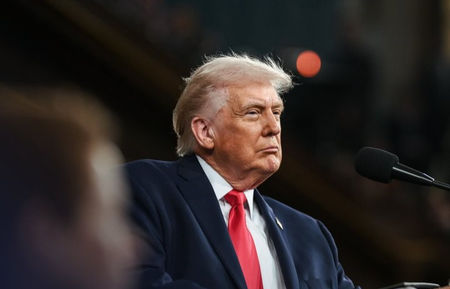
The SAVE voter verification system, a Trump administration project designed to pool Americans’ personal data and check voter eligibility, has been ruled unlawful by a federal judge. In a decision handed down Monday, the court ordered that the data tool cannot be used in its current form, dealing a significant blow to a key piece of the administration’s elections agenda.
The ruling raises serious questions about privacy, accuracy, and the future of efforts to verify citizenship on a mass scale, particularly after the system mistakenly flagged American citizens as potential noncitizens.
A Sharp Rebuke From the Bench
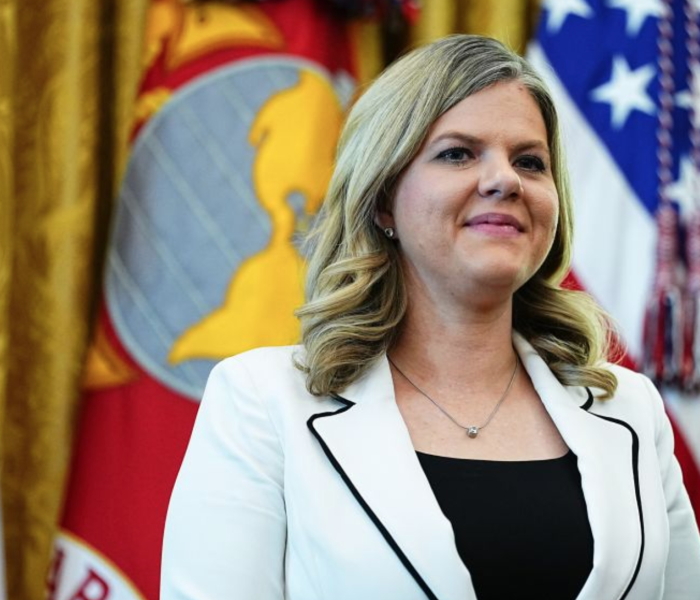
U.S. District Court Judge Sparkle Sooknanan, a Biden appointee, did not mince words in her 75-page ruling. She wrote that the federal government had knowingly trampled on the privacy rights of American citizens in a way that threatens the fundamental right to vote, adding that the court could not stand by while that happened.
The decision found that federal agencies lacked the statutory authority to overhaul the system in the first place. According to the judge, the expanded version of SAVE violated multiple laws, including:
- The Privacy Act
- The Social Security Act
- The Administrative Procedure Act
Sooknanan also criticized how the data was handled, writing that agencies had carelessly combined and repurposed the private information of millions of Americans, including citizenship data they knew to be unreliable.
What SAVE Was and How It Changed
SAVE, short for Systematic Alien Verification for Entitlements, is run by U.S. Citizenship and Immigration Services. For years, it served a relatively narrow purpose: state and federal agencies used it to check, one case at a time, whether a foreign-born individual qualified for certain government benefits.
That changed dramatically last year. USCIS’s parent agency, the Department of Homeland Security, transformed the system in several major ways:
- Made it possible to perform bulk checks rather than individual ones
- Linked SAVE to Social Security Administration data for the first time
- Added the records of American-born citizens
In effect, a tool built for limited benefit checks was repurposed into a sweeping mechanism to verify the citizenship of all Americans. NPR was the first outlet to report on this massive expansion, as well as the government’s failure to follow required public notice protocols under the Privacy Act.
Tens of Millions of Records Run Through the System
The scale of the program was substantial. In April of this year, a then-USCIS spokesperson said more than 60 million voters had had their records processed through the revamped SAVE system.
Of those, roughly 21,000 people, less than 1 percent, were flagged as potential noncitizens. Critics point out that the Trump administration has heavily emphasized curbing noncitizen voting, even though it is already illegal under federal law and research and state reviews have repeatedly found it to be extremely rare.
When Citizens Get Wrongly Flagged
The human cost of those errors is perhaps best illustrated by the case of Anthony Nel. Born in South Africa, Nel became a U.S. citizen as a teenager when his parents were naturalized. He was registered to vote in Texas, yet he was among more than 2,700 people flagged as potential noncitizens after the state ran its voter list through SAVE.
Nel was removed from the rolls after failing to respond in time to a letter demanding he prove his citizenship at his local election office. He later submitted a declaration in the lawsuit challenging the system.
Notably, USCIS itself acknowledges in a fact sheet that certain categories of foreign-born citizens simply cannot be verified through SAVE, highlighting a built-in flaw in using the tool to police voter rolls.
Nel’s story ultimately had a hopeful turn. After NPR profiled his case, he renewed his passport, presented it to county election officials, and was reinstated. He went on to vote in Texas primary and runoff elections this spring. He described the ruling as a step in the right direction and said the experience deepened his appreciation for his right to vote, vowing to participate in every election he can going forward.
Central to Trump’s Elections Agenda
The ruling matters because SAVE had become a cornerstone of the administration’s broader voting and elections strategy.
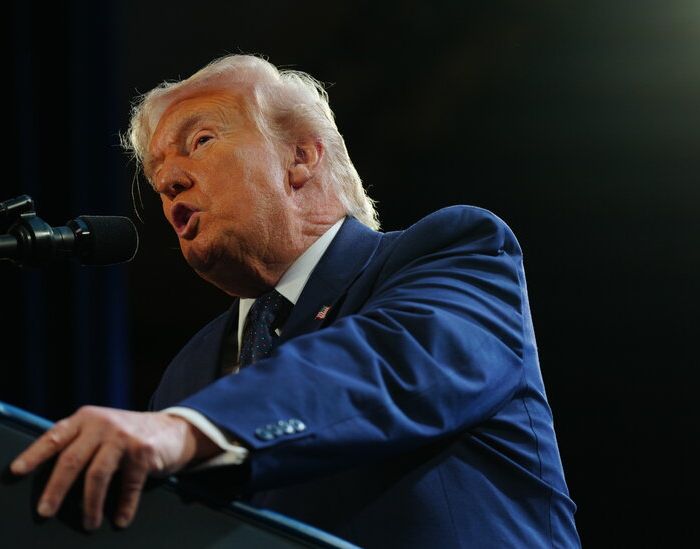
On March 31, Trump signed an executive order directing the Department of Homeland Security to use SAVE and other federal data to generate a list of eligible U.S. citizen voters in each state. An earlier order from March 2025 had mandated that DHS provide free access to a verification tool for checking the citizenship or immigration status of registered voters.
Courts had already halted parts of those orders, yet USCIS pressed ahead with updates to the SAVE system regardless. Legal challenges aimed at stopping the executive order remain ongoing.
Reactions to the Ruling
The decision drew sharply divided responses.
Voting rights advocates celebrated the outcome. Marcia Johnson of the League of Women Voters, one of the plaintiffs, called it a resounding victory for voters, warning that efforts to build a federal voter database to enable purges threaten a right at the very heart of democracy.
The administration, however, signaled it would keep fighting. The Department of Justice, representing DHS, said it would continue aggressively defending Trump’s immigration enforcement agenda and the use of SAVE to verify citizenship. DHS pointed to a combative social media post from its general counsel, James Percival, who accused critics of fighting to stop the government from solving problems they claim do not exist, though his post misspelled the judge’s name.
Concerns That Went Unheard
Part of the controversy stems from how the changes were rolled out. After plaintiffs filed suit, DHS and the Social Security Administration retroactively issued notices about modifications that had already been made. Those notices drew tens of thousands of negative public comments, yet the agencies did not alter their plans.
A lawyer for Citizens for Responsibility and Ethics in Washington, which represents plaintiffs in the case, said the agencies simply ignored the Americans who spoke out. He noted that the court has now affirmed what those commenters argued all along: that the system is unlawful, unreliable, and must be shut down unless Congress authorizes it.
What Comes Next
The federal government retains the option to appeal the ruling, and the Justice Department’s statement suggests it intends to keep defending the program. For now, though, the overhauled SAVE tool cannot be used.
The case underscores a deeper tension between aggressive efforts to police voter rolls and the privacy and accuracy protections built into federal law. As the legal battle continues, the ruling stands as a notable check on how far the government can go in assembling and using Americans’ personal data in the name of election integrity.
Author