A federal judge has rejected DOJ subpoenas issued to Minnesota Governor Tim Walz and Minneapolis Mayor Jacob Frey, handing the Trump administration another setback in its push to pressure Democratic leaders into supporting the president’s aggressive immigration agenda. The ruling adds to a growing list of legal defeats for the administration’s efforts to enlist state and local officials in its enforcement campaign.
The decision sends a clear message about the limits of using federal investigative tools to advance political goals, and it has been hailed by Minnesota officials as a win for the rule of law.
What the Judge Found
Minnesota’s chief federal judge, Patrick J. Schiltz, concluded that the Justice Department issued the subpoenas not for any legitimate investigative reason, but to coerce state officials into taking specific actions on immigration enforcement.
The subpoenas, sent to Walz, Frey, and other state and local officials, were not identical but broadly sought records related to federal immigration enforcement in Minnesota. Schiltz was pointed in his assessment, writing that the department had struggled, without success, to identify even a single plausible investigatory justification for the subpoenas.
In a striking passage, the judge said the sequence of events established beyond reasonable dispute that the subpoenas were part of a broader campaign to pressure state and local officials into helping the Trump administration enforce immigration laws. He further noted that the campaign unfolded against what he described as the administration’s well-documented history of using criminal investigations to retaliate against and pressure the president’s political and personal adversaries.
How the Dispute Began
The roots of the conflict trace back to January, when the Justice Department issued the subpoenas amid claims from Trump and other federal officials that Democratic leaders were obstructing federal law enforcement officers in the state.
The timing was significant. The subpoenas emerged during a bitter standoff between the Trump administration and Minnesota officials, following the fatal shooting of protester Renée Good in Minneapolis by an immigration officer earlier that month. That shooting occurred during a surge of federal immigration officers in the state, a deployment ordered by Trump himself.
The pressure campaign was not limited to Walz and Frey. Other Democratic leaders, including Attorney General Keith Ellison, also received subpoenas as part of the broader effort.
A Legal Battle Largely Behind Closed Doors
Much of the fight over the subpoenas played out in sealed proceedings, keeping many details out of public view.
Schiltz, who was appointed by President George W. Bush, issued his ruling voiding the subpoenas last week. He then unsealed that ruling on Monday, bringing the decision and its reasoning into public light. The fact that a Republican-appointed judge delivered the rebuke underscores that the ruling rested on legal grounds rather than partisan alignment.
Reactions to the Ruling
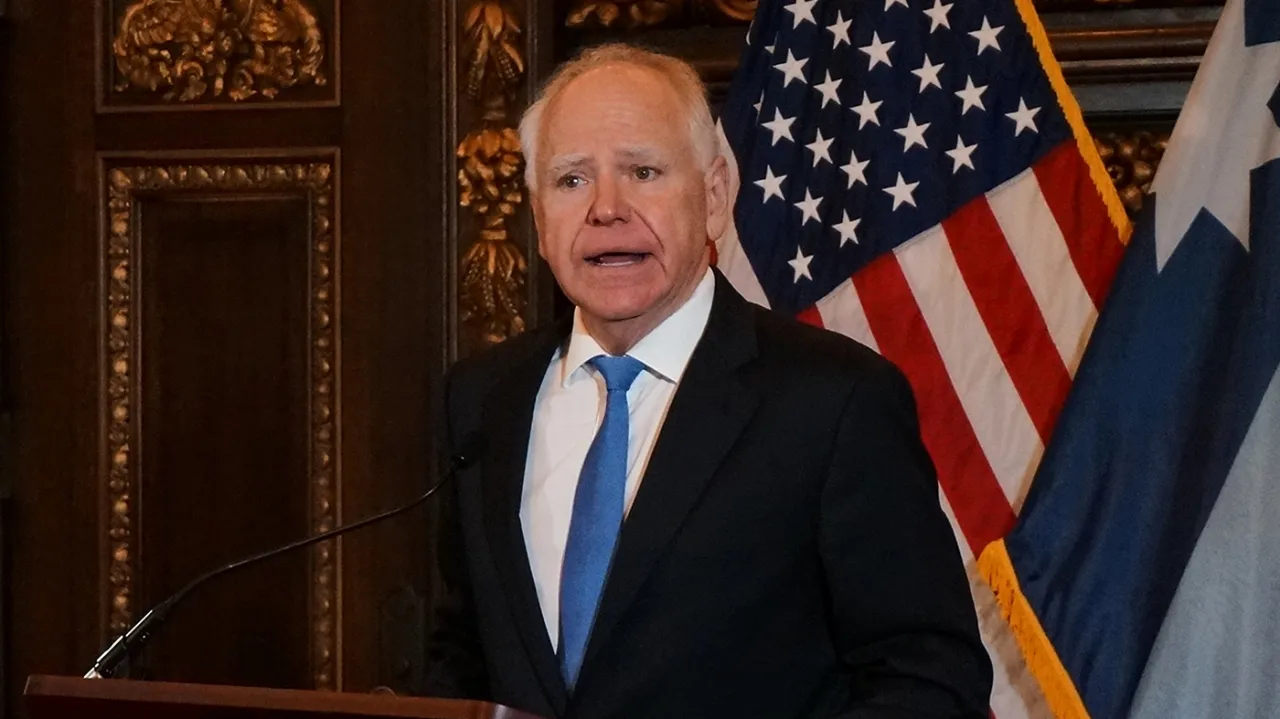
Governor Walz welcomed the outcome, calling it a victory for the rule of law and democracy. In a statement shared on social media, he vowed to keep exercising his constitutional rights to defend Minnesotans and the broader American freedoms at stake.
His response reflected the framing many Democratic officials have adopted throughout the standoff, casting their resistance not as obstruction but as a defense of constitutional principles against federal overreach.
The Legal Theory Behind the Investigation
One notable aspect of the case involves the legal basis the Justice Department relied on. According to prior reporting, the department investigated the officials under a federal statute addressing conspiracy to impede a federal investigation.
That same legal theory has been applied elsewhere in the immigration context. It closely mirrors the charges federal officials have brought against protesters accused of attempting to block immigration officers as they carry out their duties, suggesting a consistent strategy of using this statute to confront perceived interference.
The Bigger Picture
The ruling fits into a wider pattern of friction between the Trump administration and Democratic-led states over immigration enforcement. By attempting to compel cooperation through subpoenas, the administration sought to draw local officials into its enforcement machinery, an approach the court found crossed a legal line.
For now, the decision represents a meaningful check on those tactics. While the administration has shown determination in pursuing its immigration agenda, this latest defeat reinforces that federal investigative powers cannot be wielded simply to pressure political opponents into compliance.
As the broader battle over immigration enforcement continues, the case stands as a reminder of the role courts can play in defining the boundaries between legitimate investigation and political coercion.
Author