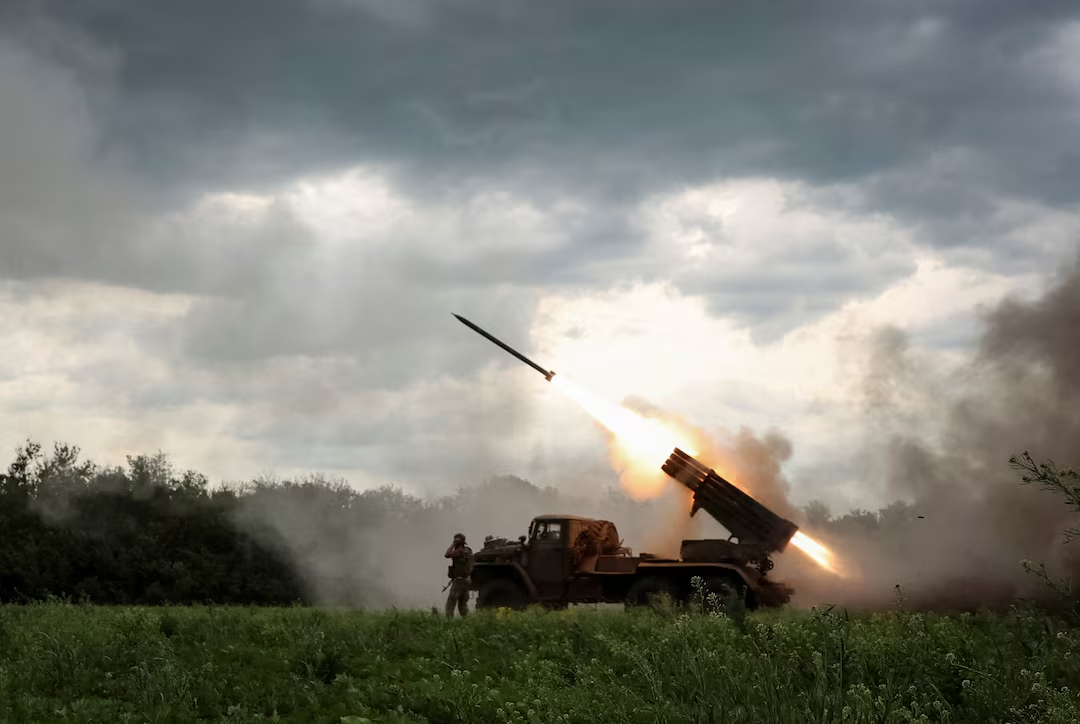
A Ukraine war turning point may be just around the corner, according to one of Ukraine’s most respected military leaders. Speaking from an undisclosed underground command post in the Kharkiv region, Brigadier General Andriy Biletsky said the next six months could prove decisive in shifting battlefield momentum away from Russia and giving Kyiv stronger footing in any future peace talks.
After more than four years of brutal fighting, Biletsky—who commands Ukraine’s Third Army Corps—believes Russian forces are running out of steam. While Moscow has continued making slow, grinding gains since launching its full-scale invasion in February 2022, those advances have visibly weakened throughout 2026, and Ukraine is now pressing hard to flip the script on the frontline.
A Narrow Window of Opportunity
In a wide-ranging interview with Reuters, Biletsky emphasized that Ukraine has a clear but limited opportunity to take the initiative. He estimates a six-to-nine-month window in which the country can build battlefield momentum, with the first six months being the most critical.
If Ukraine can sustain pressure during this stretch, Biletsky believes the country can:
- Reclaim strategic positions across the frontline
- Force Russia to abandon hopes of capturing the rest of Donetsk
- Strengthen its negotiating position in stalled peace talks
- Demonstrate that Russia is no longer capable of major breakthroughs
His confidence stems from a belief that the Russian army is exhausted, depleted of experienced commanders, and unable to mount the kind of large-scale offensives it once managed.
Donetsk Remains the Biggest Sticking Point
The unresolved issue of who controls the Donetsk region continues to dominate diplomatic discussions. Russia is demanding the entire region, while Ukraine refuses to surrender land that Russian forces have failed to capture militarily.
Biletsky stressed that Ukraine must approach negotiations from a position of strength—not weakness. To do that, he said, the country must identify zones where its forces can advance, claim strategic points, and only then engage Russia on serious truce terms.
He framed this as not just a political necessity but a realistic military goal.
Russia’s Forces Show Signs of Strain
Several factors are working in Ukraine’s favor as the war enters this new phase. One major shift is the increasing exhaustion of Russian troops. Analysts say Moscow’s forces are losing experienced soldiers and commanders at an unsustainable rate, especially during costly assaults on heavily defended Ukrainian cities.
Another shift came when Elon Musk moved to block Russian forces from using Starlink, the satellite-based internet system that had been crucial for Russian battlefield communication. According to Biletsky, this decision has caused Russia to “radically lose” ground in communications technology—a major disadvantage in modern warfare.
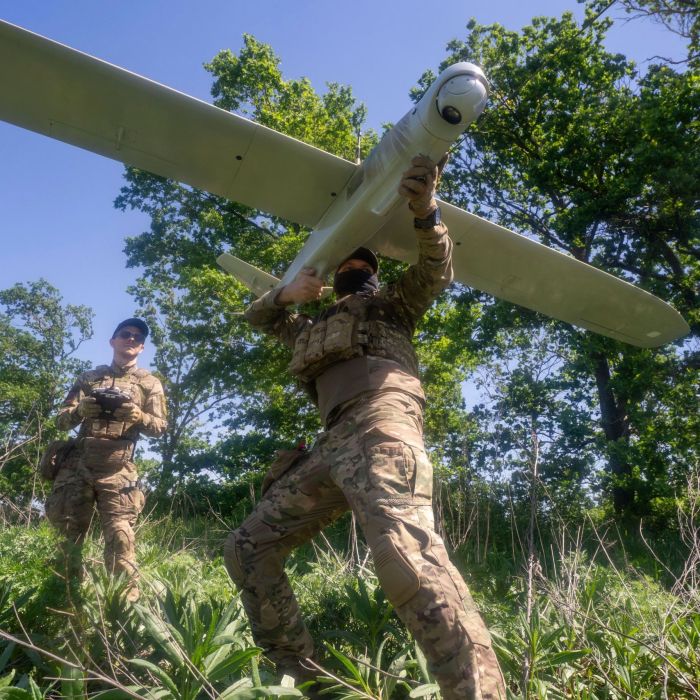
Meanwhile, Ukraine has stepped up medium-range drone strikes, hitting Russian oil facilities, military depots, and air defense systems with increasing accuracy. President Volodymyr Zelenskyy recently announced that Ukraine had reclaimed nearly 600 square kilometers of territory in 2026, though independent verification remains limited.
Currently, Russia still controls almost one-fifth of Ukrainian land.
Analysts Echo the Commander’s Optimism
Independent observers are also noticing the shift. John Helin, an analyst with the Finland-based Black Bird conflict-analysis group, agrees that fatigue is increasingly a problem for Russian forces. While Ukraine continues to struggle with manpower shortages, Helin believes Russia’s exhaustion is likely to peak before Ukraine’s challenges become critical.
The Institute for the Study of War in Washington reported this week that Ukrainian forces are now “actively challenging the positional character of the war.” The think tank also noted that Kyiv could soon be ready to launch limited mechanized assaults—an evolution that could reshape the fighting style of the entire conflict.
The Battle for the “Fortress Belt”
A key flashpoint in the months ahead will be eastern Ukraine’s so-called “Fortress Belt,” a chain of heavily fortified cities anchoring Ukrainian defenses. Russian troops are pushing aggressively against its southern edge, where fierce fighting continues inside the strategic city of Kostiantynivka.
If Russia were to capture this belt, it would gain a launchpad to threaten the rest of the Donbas. However, Biletsky insists his forces are firmly holding the northern flank near Sloviansk and forcing Russia into direct, head-on attacks—battles that have proven extremely costly for Moscow.
These bloody offensives, he said, have caused a noticeable degradation of professionalism within Russia’s military.
A New Era of Technological Warfare
Beyond traditional combat, Biletsky highlighted how dramatically technology is reshaping the war. While Russia leads in fiber-optic drones, which cannot be jammed, Ukraine is pulling ahead in:
- Unmanned ground vehicles (UGVs)
- Heavy bomber drones
- Stealthy kamikaze drones
- Robots armed with machine guns and rocket launchers
His corps is actively integrating these technologies, aiming to replace up to 30% of frontline infantry roles with robotic systems by 2027. According to Biletsky, the next major shift in warfare will allow commanders to launch more “creative” combined assaults while protecting precious soldiers from unnecessary risk.
This evolution, he predicts, will become visible this year—and his corps will be one of the first examples of it in action.
A Defining Moment for Ukraine
For Biletsky, the months ahead are not just another phase of war. They represent a defining stretch that could shape the outcome of the entire conflict.
With Russia weakening, Ukrainian forces innovating, and global political dynamics shifting, the country stands at the edge of what could become the most pivotal chapter of the war yet. If Ukraine seizes the opportunity, the long-anticipated turning point may finally arrive—not through sweeping declarations, but through steady, calculated battlefield gains.
Author