A US-Iran deal aimed at ending months of conflict has been signed but not yet handed to the public, and Vice-President JD Vance suggests the wait may be shorter than expected. According to Vance, President Donald Trump could choose to make the preliminary agreement public before Friday’s formal ceremony, after the president declared that the document had already been signed.
What Has Actually Been Agreed
The framework at the center of all this is a memorandum of understanding, or MOU, between Washington and Tehran. Vance has been candid about its modest scope, describing it as roughly a page and a half long and “very general” in nature.
In other words, this is a starting point rather than a finished agreement. Vance told CNN’s Jake Tapper that the bulk of the specifics still needs to be hammered out in later rounds of talks.
“On a number of issues, we are going to have to figure this stuff out during the technical negotiation phase,” he explained, adding that the MOU essentially lays out a structure in which Iran earns the benefits of the deal by living up to its end of the bargain.
Senior US officials have begun filling in some of the blanks. Among the most notable details:
- The Strait of Hormuz is expected to reopen on Friday, coinciding with the formal signing in Geneva.
- Technical discussions on Iran’s nuclear program are slated to begin this week.
- Any sanctions relief or release of frozen assets will hinge on Iran honoring its commitments.
A Signature, Then a Question of Timing
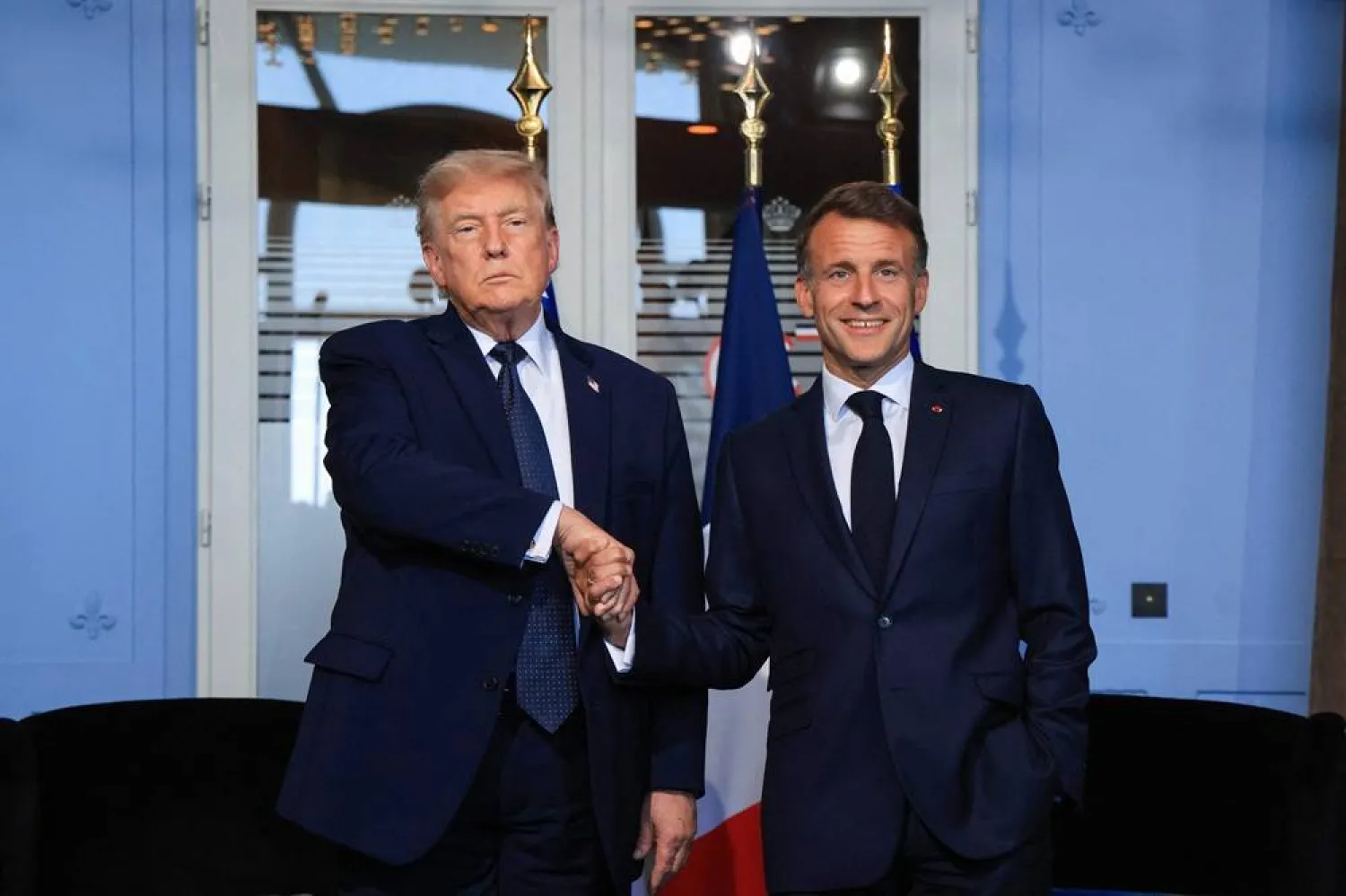
During talks with French President Emmanuel Macron on Monday, Trump left little doubt about where things stood. “I am very happy to say it’s signed, the deal is all signed,” he said, referring to the preliminary framework.
US officials confirmed that the agreement was signed electronically by Trump, Vance, and Iranian Parliament Speaker Mohammad Bagher Ghalibaf.
The lingering question is when the public will actually see the text. Trump had earlier hinted that details would emerge “pretty soon” after Friday’s ceremony. Vance, speaking to Fox News, floated the possibility that the president might release it even earlier. Trump himself called it “a very powerful document” that he wants out in the open.
The Core Commitments
According to Vance, the opening paragraph of the MOU commits Iran to “regional peace and stability.” He said that pledge specifically includes an end to financing what he termed terrorist organizations.
Perhaps most significantly, Vance pointed to a verifiable promise from Tehran not to build a nuclear weapon. That issue has long sat at the heart of tensions between the two nations, alongside Iran’s push for sweeping sanctions relief and access to billions in frozen oil revenues.
Iran’s Supreme National Security Council described the breakthrough as the product of a demanding stretch of negotiations spanning several months.
The Strait of Hormuz: A Global Flashpoint
Few details have drawn as much attention as the reopening of the Strait of Hormuz, the narrow waterway through which a large share of the world’s oil passes. Iran had effectively controlled the strait since the conflict erupted in late February, choking off a passage responsible for roughly a fifth of global oil supply. The US responded with a blockade of Iranian ports.
Trump moved quickly to signal change. He announced the immediate removal of the US naval blockade and declared the strait would open once the initial agreement was signed. On social media, he claimed that vessels were already on the move, many of them loaded with oil heading out of the strait.
US officials cautioned that the reopening would not be instantaneous, noting that mines laid in the waterway still need to be cleared. Markets, however, responded with optimism: stocks rallied and oil prices dropped sharply on the news.
The G7 Dimension
The timing places Iran squarely on the agenda at the G7 summit in France, where allies are eager to discuss the situation directly with Trump. A special session on Iran was set to bring together the leaders of Egypt, Qatar, and the United Arab Emirates.
The UK and France had been leading plans for a defensive mission to safeguard ships passing through the strait. Trump downplayed the need for outside help but didn’t dismiss it entirely, suggesting it wouldn’t hurt to have “a ship or two” from partner nations stationed in the strategic waterway.
The Lebanon Complication
The framework extends an existing ceasefire by another 60 days, during which both sides will negotiate the terms of a final agreement. Pakistan, which mediated the breakthrough, framed it broadly. Prime Minister Shehbaz Sharif said it included the immediate and permanent end of military operations on all fronts, Lebanon included.
But the picture on the ground is more tangled. US officials clarified that while Lebanon falls under the ceasefire framework, the withdrawal of Israeli forces from Lebanese territory is not a condition of the deal, and Israel keeps its right to self-defense.
Israeli Prime Minister Benjamin Netanyahu reinforced that stance, saying Israeli troops would remain in security zones across Lebanon, Syria, and Gaza “as long as necessary.” He also insisted that Iran would never be permitted to acquire nuclear weapons, deal or no deal.
His comments followed reports of a deadly Israeli strike on a vehicle in southern Lebanon, the first since the agreement was announced. Hezbollah said it retaliated with missiles and drones.
Cautious Reactions on All Sides
Inside Iran, the framework has been portrayed as a triumph. Deputy Foreign Minister Kazem Gharibabadi confirmed the halt to military operations and credited Qatari mediators with nearly 14 to 15 hours of marathon talks in Tehran. Iran’s military command went further, declaring that the US and Israel had been left with no choice but to accept defeat.
Yet not everyone in Tehran is celebrating. Iran’s foreign ministry said it still harbors “deep mistrust” of the US, describing the agreement as merely a step toward easing tensions rather than a resolution.
Lebanese President Joseph Aoun welcomed the news, expressing hope that the understandings would translate into concrete steps to finally break the cycle of violence.
For now, the world waits to see whether a page-and-a-half framework can carry the weight of expectations placed upon it. This remains a fast-moving story, and the coming days, especially Friday’s ceremony in Geneva, will reveal how much of the promise holds.
Author