DOJ ICE License Plates Lawsuit Targets Four Democratic-Led States
The Trump administration has launched a legal battle over DOJ ICE license plates, suing four states that refused to issue confidential plates to Immigration and Customs Enforcement agents. The administration argues that these states have long provided such plates to other law enforcement agencies conducting undercover operations, making their refusal to do the same for ICE unlawful.
The dispute places immigration enforcement at the center of a fresh constitutional clash between the federal government and states led by Democratic governors.
The States Under Fire
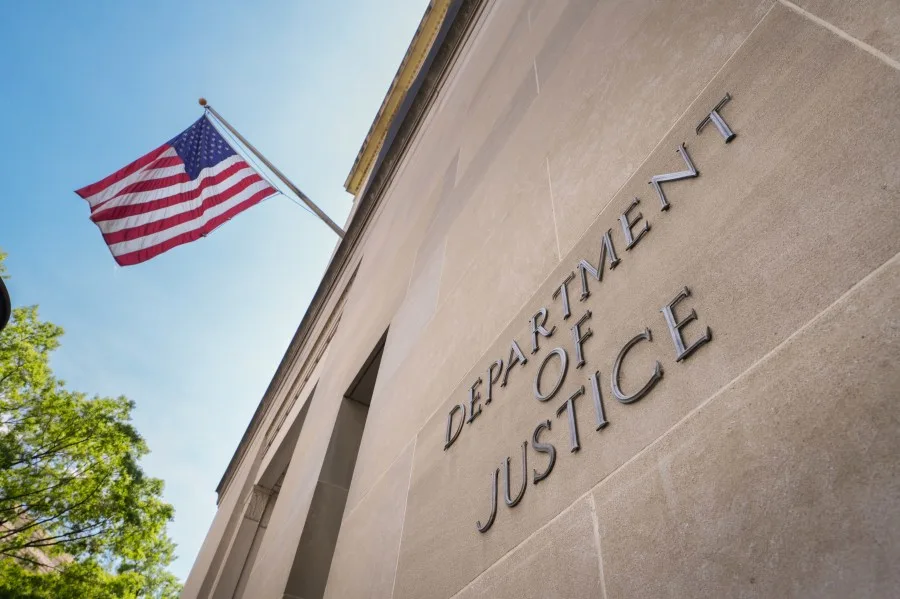
On Thursday, the U.S. Department of Justice announced it had filed lawsuits against four states: Maine, Massachusetts, Oregon, and Washington. The legal action followed the refusal of these Democratic-led states to rescind policies that deny confidential plates to ICE.
At the heart of the matter is ICE’s effort to obtain such plates to carry out arrests as part of President Trump’s broader immigration crackdown. The agency contends that access to undercover plates is essential to conducting its operations effectively.
Why the States Pushed Back
Officials in at least two of the states, Maine and Massachusetts, had previously raised concerns about ICE’s conduct. They cited what they described as aggressive tactics by ICE agents and made clear they did not want state resources used to facilitate covert civil immigration enforcement.
These objections reflect a broader resistance among certain states to lending support to the administration’s immigration agenda, particularly when it involves operations they view as lacking transparency or accountability.
A Threat Made Good
The lawsuits did not come without warning. Assistant U.S. Attorney General Brett Shumate had signaled the administration’s intentions earlier in the month through a series of letters to state officials.
In those communications, Shumate explicitly told the states that the administration would pursue legal action if they refused to change their policies. By filing the suits, the Justice Department followed through on that threat.
The Legal Argument
The Justice Department’s case rests on a constitutional claim. The department contends that the states are unlawfully discriminating against the federal government in violation of the U.S. Constitution.
The core of the argument centers on how the states treat different law enforcement entities:
- The states allegedly treat ICE and other components of the Department of Homeland Security differently than they treat state and local law enforcement agencies.
- This differential treatment, the department argues, amounts to unlawful discrimination against the federal government.
Beyond the constitutional question, the administration also frames the issue as a matter of officer safety. The Justice Department asserts that the states’ policies threaten federal immigration agents by exposing them to harassment, tracking, and assaults while they carry out arrests.
Acting U.S. Attorney General Todd Blanche emphasized this point, stating that law enforcement officers risk their lives daily to keep Americans safe and must be able to perform their duties effectively.
The States Defend Their Policies
The targeted states have not backed down. Several officials have publicly defended their decisions, framing them as both lawful and principled.
Massachusetts Governor Maura Healey issued a statement standing by her state’s policy. She drew a distinction between legitimate criminal investigative work, which the state supports, and what she characterized as ICE’s unconstitutional tactics. Healey said the state would not use its resources to help ICE operate in secret and without accountability, especially while the agency declined to provide basic information about who it was arresting and why.
In Maine, a spokesperson for Attorney General Aaron Frey pointed to a letter Frey had sent the previous week. That letter defended the state’s policy of refusing to issue plates for civil immigration enforcement, arguing the position was lawful.
Oregon offered a slightly different response. A spokesperson for Governor Tina Kotek said the state’s Department of Motor Vehicles had temporarily paused issuing new undercover license plates to federal agencies while it reviewed its policies.
What’s at Stake
The DOJ ICE license plates lawsuit highlights the deepening tension between the federal government and Democratic-led states over immigration enforcement. On one side, the administration argues that consistent treatment of law enforcement agencies is both a constitutional requirement and a matter of protecting officers in the field.
On the other side, the states contend that they have legitimate reasons to withhold cooperation, particularly when they believe federal tactics undermine transparency and accountability. The disagreement reflects a fundamental divide over how immigration enforcement should be conducted and who bears responsibility for facilitating it.
Looking Ahead
As the legal proceedings move forward, the cases could carry implications well beyond the four states involved. A ruling in the administration’s favor might pressure other states with similar policies to reconsider, while a decision siding with the states could embolden further resistance to federal immigration efforts.
For now, the lawsuits represent another flashpoint in the ongoing struggle between the Trump administration and states determined to chart their own course on immigration. The outcome will likely shape not only the specific question of undercover license plates but also the broader relationship between federal authority and state autonomy in the contentious arena of immigration enforcement.
Author