The Khamenei funeral procession crossed into Iraq on Wednesday, drawing enormous crowds through the holy city of Najaf as mourners followed the coffin of the slain Iranian leader, Ayatollah Ali Khamenei. The solemn journey, now in its sixth day, has continued to gather momentum after already attracting massive gatherings across Iran.
A Sea of Mourners in Najaf
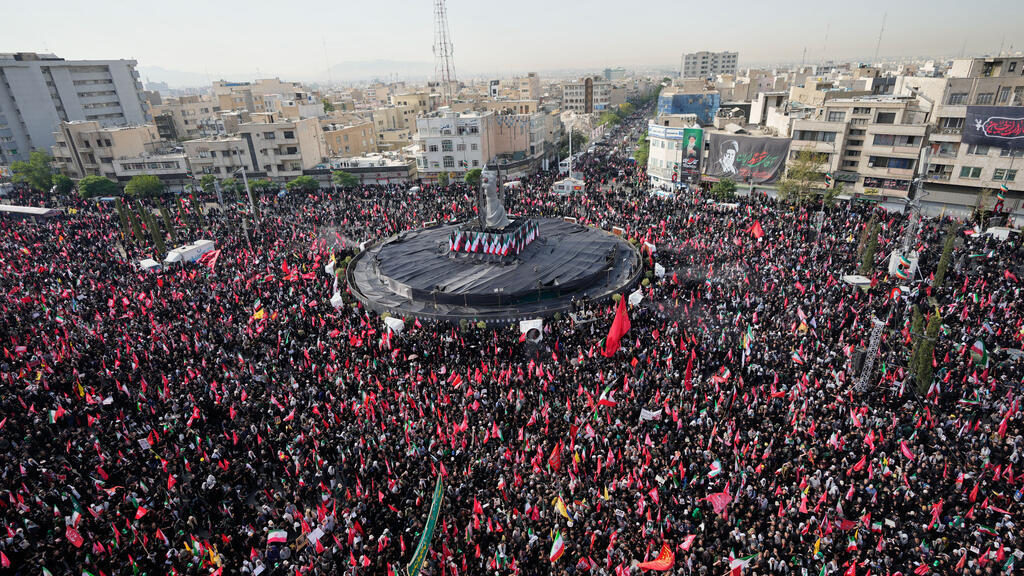
Streets throughout Najaf filled with people carrying large portraits of the late leader as his coffin was transported through the city atop a large truck. Along the route, mourners raised their voices in familiar chants, calling out “Death to America” and “Death to Israel,” echoing the political defiance that defined much of Khamenei’s era.
The atmosphere blended grief with political symbolism. Iranian and Iraqi flags waved side by side above the crowds, joined by the banners of powerful Iran-backed Iraqi militias whose supporters turned out in force to walk alongside the procession.
Why Najaf Holds Such Deep Significance
The choice of Najaf as a stop on this journey carries profound religious meaning. The city is one of the most sacred sites for Shi’ite Muslims around the world, revered as the burial place of Imam Ali, the cousin and son-in-law of the Prophet Mohammad.
For the mourners gathered there, walking through Najaf was not only an act of political solidarity but also a deeply spiritual gesture tied to the roots of their faith.
An Official Reception at the Border
Khamenei’s coffin arrived at Najaf’s international airport on Tuesday evening, where it was met with a formal reception. Iraqi Prime Minister Ali al-Zaidi attended alongside senior government officials and prominent religious figures, underscoring the significance both nations attached to the moment.
The high-level presence reflected the close, if complex, ties between Iran and Iraq, as well as the influence the late leader held across the region.
A Journey Not Yet Complete
The procession has drawn some of the most senior figures in Iran’s leadership. Iranian President Masoud Pezeshkian arrived to take part, as did commanders from the Islamic Revolutionary Guard Corps, a sign of the event’s weight within Iran’s political and military establishment.
The journey is far from over. The procession is expected to continue on to the Iraqi shrine city of Karbala, another site of deep importance to Shi’ite Muslims, before the coffin is ultimately returned to Iran for burial.
The Broader Picture
The multi-day, cross-border funeral has become a powerful display of both mourning and political messaging. As the procession moves between two of Shi’ite Islam’s holiest cities, it highlights the enduring religious and political bonds that connect Iran and Iraq, while marking the end of an era for a leader whose influence extended well beyond his nation’s borders.
As Khamenei’s coffin makes its way toward Karbala and eventually home, the massive turnout stands as a testament to the significant, and often divisive, legacy he leaves behind across the region.
Author