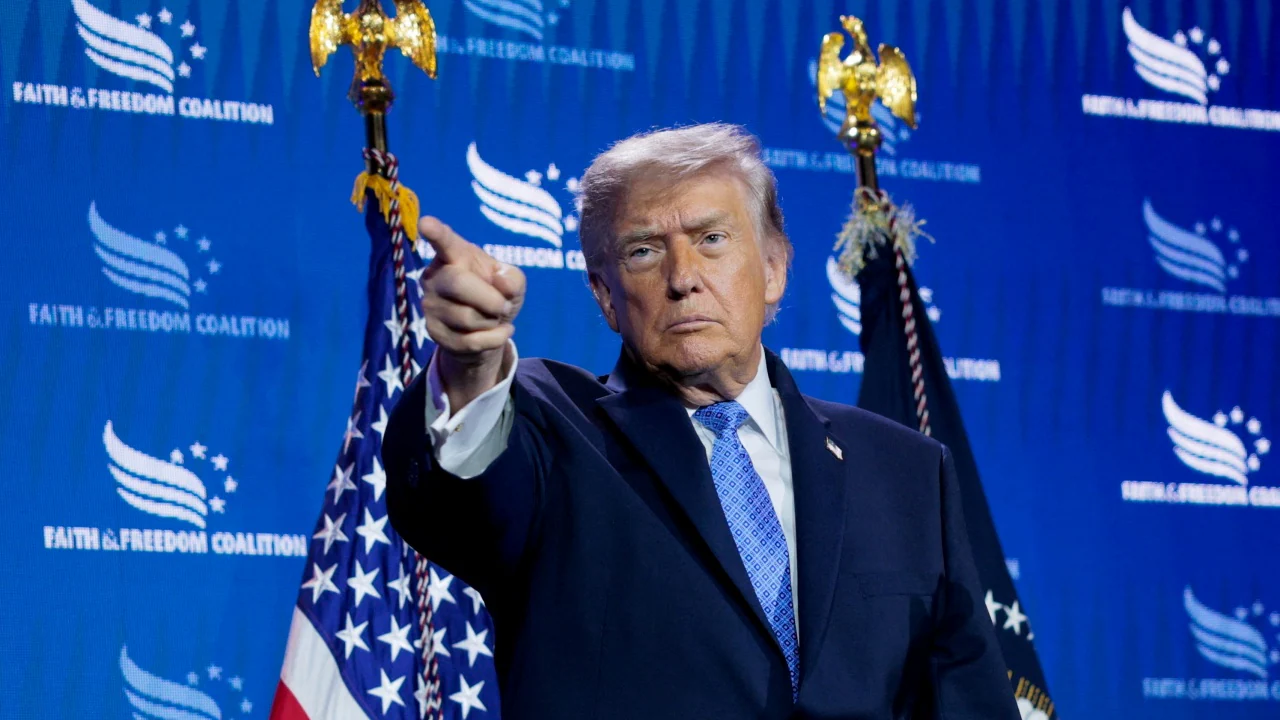
The move by Trump to halt trade with Spain has sharply escalated a long-simmering dispute between Washington and one of its NATO allies, driven by disagreements over defense spending and Spain’s role in the Iran war. The order, issued during a NATO summit in Ankara, cuts against European Union rules that require trade negotiations to be handled collectively as a single bloc.
A Summit Meant for Unity Turns Contentious
European leaders had hoped the Ankara gathering would help mend divisions within the alliance. Instead, Trump reignited his feud with Spain, branding it a “terrible partner,” while also reviving his claims on Greenland. He later softened his tone, describing the summit as marked by love and “a lot of unity.”
Spanish Prime Minister Pedro Sanchez downplayed the friction, saying he had shared a “very cordial” conversation with Trump during the event.
Notably, this was the second time Trump has directed Treasury Secretary Scott Bessent to cut off commerce with Spain over its refusal to embrace NATO’s new defense spending target of 5% of GDP. After a similar order in March, however, trade between the two nations carried on as usual.
The Roots of Trump’s Frustration
Trump’s irritation with Madrid runs deeper than budget figures. He has grown increasingly frustrated with Sanchez, a Socialist leading a minority leftist government, particularly after Spain declined to let the US use its airspace or bases for the Iran war.
At the summit, Trump urged NATO Secretary General Mark Rutte not to carry Spain along, insisting the country agrees to nothing. Rutte tried to ease the tension, crediting Spain with a significant step in raising its spending to 2% the previous year while acknowledging that unresolved issues remain.
The instruction itself was blunt. Turning to Bessent, Trump said he wanted no trade with Spain at all, ordering that all commerce be cut off, including visits. Bessent replied simply, “Yes, sir.”
What Comes Next
The practical path forward remains uncertain. A US official in Washington told reporters that the Treasury Department would coordinate with the Commerce Department and the US Trade Representative’s office to present Trump with a menu of Spanish products that could be embargoed in the coming days.
Trade lawyers suggest Trump could invoke the International Emergency Economic Powers Act to impose a full or partial embargo on Spanish imports. Still, targeting a single EU member state would be legally complicated. Economic law expert Jennifer Hillman, a former member of the WTO’s Appellate Body, noted in March that Trump would need to declare a national emergency and show evidence that Spain posed a threat to national security, foreign policy, or the economy.
Spain Pushes Back
Sanchez struck a measured tone in response. At a news conference, he said he and Trump had discussed the US-hosted soccer World Cup and golf, but not military spending. He reaffirmed that Spain remains a reliable NATO ally and announced a fresh, unspecified deployment of Spanish troops to Finland to join NATO’s Arctic Sentry mission, adding pointedly that “the facts are the facts.”
He also highlighted Spain’s standing within the alliance:
- Spain ranked among the fastest-growing military spenders in NATO over the past two years.
- Strong economic growth, he said, was giving the country extra fiscal room to meet its defense commitments.
- Ties between Spain and the US, he argued, have remained strong regardless of which governments hold power.
Sanchez’s office further emphasized that Spain runs a trade deficit with the US, that economic links are built by private companies rather than governments, and that EU customs and trade rules prevent singling out individual member states. The two countries also jointly operate two key military bases in southern Spain for naval and air operations. Asked about contingency plans should the US scale back its presence there, Spanish officials said they were unaware of any such moves and noted that investment in both facilities was growing.
Investors Remain Bullish on Spain
Despite the trade threats, major US investors continue to view Spain favorably. BlackRock, the world’s largest asset manager, named Spain its “preferred country for equity exposure” in its mid-year report, citing economic growth that has outpaced most developed nations. The firm holds €104 billion worth of Spanish equities, debt, and other assets, calling Spain its top global bet for the next six months.
The picture isn’t entirely rosy, though. Net overall US investment in Spain fell by €1.9 billion in the first quarter, according to Spain’s Economy Ministry.
Limited Trade Exposure
Spain’s economic exposure to the US appears relatively contained. As the world’s largest olive oil exporter, Spain also ships auto parts, steel, chemicals, and wine to the United States, yet analysts consider it far less dependent on US trade than many of its European peers.
The wine sector offers a glimpse of the pressures already at play. Even before Trump’s latest threat, Spanish wine exports had been facing a tougher US market, falling 4.3% in value and 2.6% in volume in 2025, according to the country’s wine industry group.
For now, the order marks another flashpoint in an increasingly strained relationship, with the concrete consequences still to be determined in the days ahead.
Author