The Trump birthright citizenship Supreme Court battle is far from over, as the president has announced plans to ask the nation’s highest court to rehear a case that struck down his effort to end automatic citizenship for everyone born in the United States. The move follows a significant legal setback last month.
The Ruling and Trump’s Response
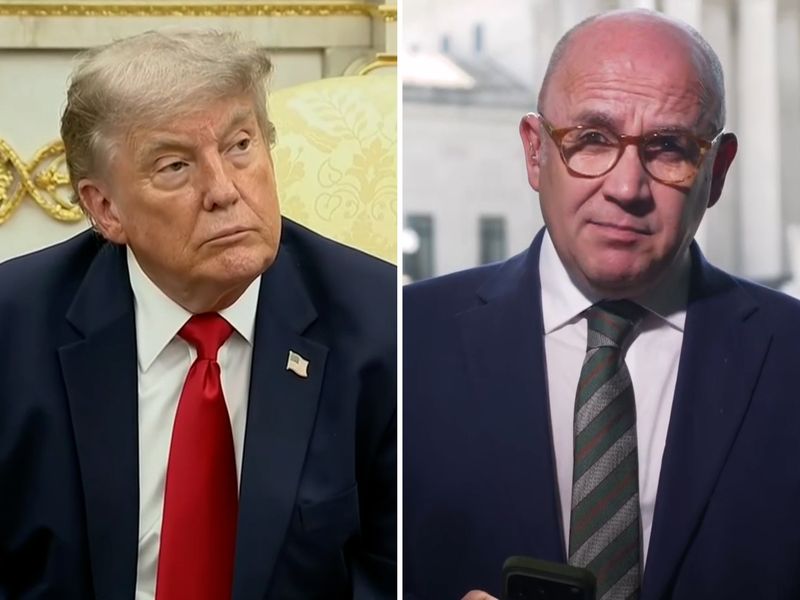
In June, the Supreme Court rejected Trump’s attempt to restrict birthright citizenship. Speaking on Wednesday, the president made clear he would not let the decision stand without a fight, saying he intends to ask for the case to be heard again.
On his Truth Social platform, Trump declared that American citizenship is not for sale, called such a practice a crime, and insisted the court’s ruling was wrong. He vowed to request a rehearing from the Supreme Court immediately.
The 6-3 decision against his order marked a major defeat for the president and his broader push to reshape US immigration policy.
Where the Order Came From
The dispute traces back to Trump’s first day in office. Upon taking the oath on January 20, 2025, he signed an executive order aimed at denying automatic US citizenship to children born in the country to parents who held only temporary legal status or lacked documentation.
Trump described the recent ruling as “too bad for our country” and urged Republicans in Congress to pass legislation narrowing birthright citizenship. That path, however, is likely to prove difficult. Public opinion polls consistently show strong support for the practice, and the Supreme Court’s majority opinion suggested that changing it would require a constitutional amendment.
Long Odds for a Rehearing
Trump’s hopes for a fresh hearing appear slim. The Supreme Court seldom agrees to rehear cases, and it has been decades since the court last permitted a retrial after issuing a ruling in a case that had already been argued.
That said, the president has recently notched several immigration wins at the court, including:
- Allowing him to effectively eliminate special legal protections for residents of certain crisis-hit countries under Temporary Protected Status
- Permitting a controversial tactic of physically blocking asylum seekers from setting foot on US soil, where the government would otherwise be legally required to let them apply for protection
The birthright citizenship case, however, broke that streak.
The Constitutional Question
At the heart of the ruling was the 14th Amendment. The court found that Trump’s directive conflicted with constitutional language granting citizenship to those born in the US who are “subject to the jurisdiction thereof.”
Rights groups celebrated the outcome. American Civil Liberties Union lawyer Cecillia Wang, who argued the challenge before the court, said the decision reaffirmed a core American promise: that being born on US soil makes you a citizen.
What Was at Stake
The potential consequences of the order were substantial. A Migration Policy Institute-Penn State study released last May estimated that roughly 255,000 infants a year would be born in the US without citizenship under the policy, swelling the undocumented population by 2.7 million by 2045.
The study warned that the order could create a self-perpetuating, multigenerational underclass, with US-born residents inheriting the social disadvantages of their parents and, over time, even their grandparents and great-grandparents.
For now, the ruling stands, and Trump’s promised rehearing request faces steep historical odds of success.
Author