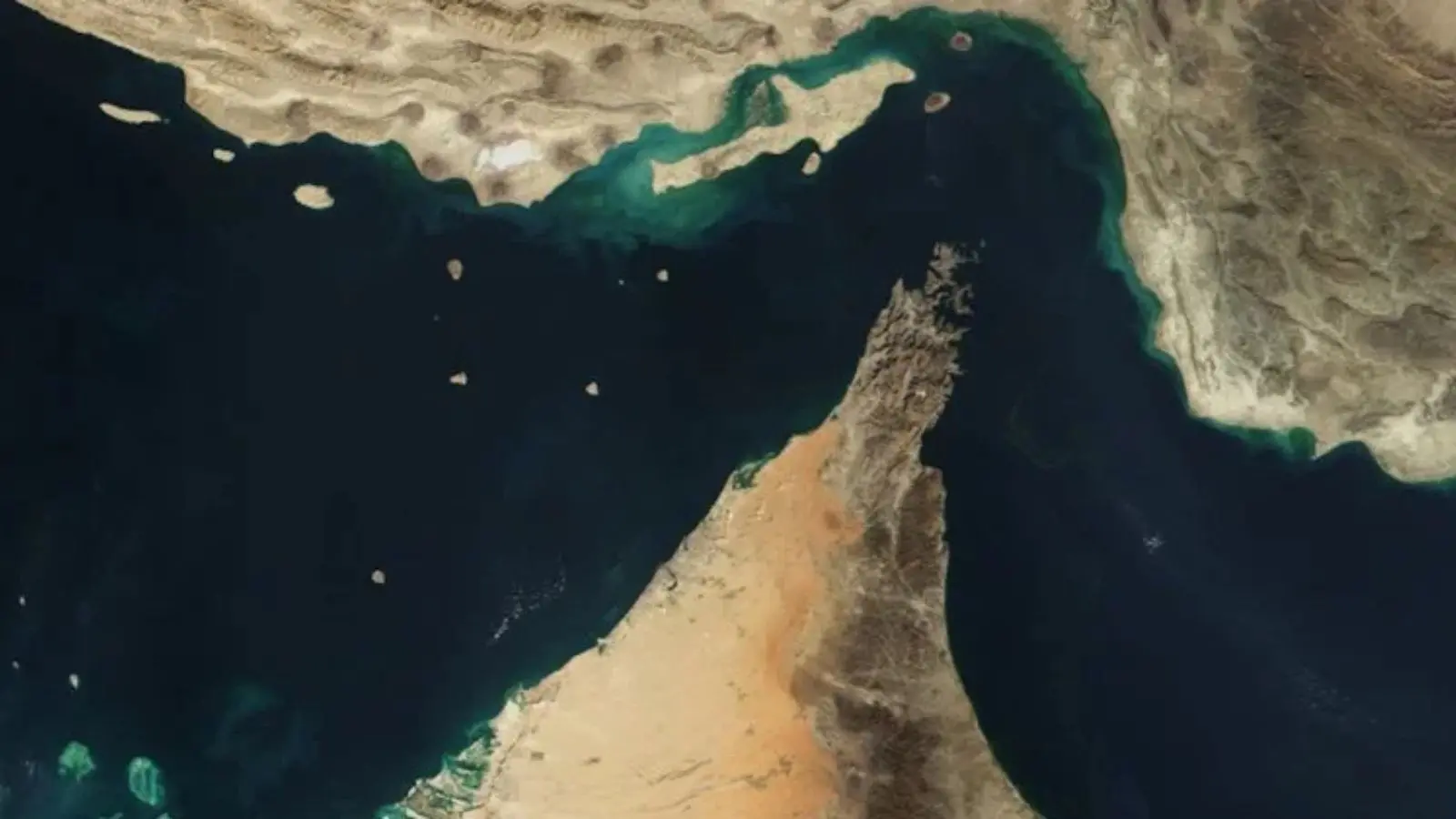
Europe energy security alternatives have moved to the top of the EU’s agenda after the recent Iran war sent global fuel prices soaring and exposed just how vulnerable the bloc remains to disruptions around the Strait of Hormuz. Determined to avoid a repeat, European leaders are now actively exploring new trade and energy routes that bypass the region’s most volatile chokepoints, turning increasingly toward Gulf states and India.
A Wake-Up Call for Europe
The Iran war delivered a sharp economic jolt. According to European Commission President Ursula von der Leyen, the EU spent an additional 25 billion euros, roughly 29 billion dollars, on oil and gas imports during just the first 54 days of the conflict.
On top of that, the bloc faced the looming threat of a longer-term jet fuel shortage. The message was unmistakable: relying on a handful of fragile supply routes leaves Europe dangerously exposed to future conflicts.
In response, the EU is reassessing its entire approach to energy security, prioritizing resilience, diversification, and strategic independence.
A Corridor Stretching to India
One of the most ambitious ideas gaining momentum is the India-Middle East-Europe Economic Corridor, commonly known as IMEC.
Von der Leyen has voiced renewed enthusiasm for the project, telling G7 leaders that more resilient export routes are being created to offer Europe genuine choices. She singled out IMEC as a prime example of the kind of alternative infrastructure the bloc should pursue.
The corridor is seen as a way to deliver several strategic benefits:
- Greater economic resilience for the EU
- Diversified supply chains less dependent on single routes
- Improved energy security
- Stronger strategic autonomy at a time of rising global uncertainty
This push comes as Russia shows little sign of easing its aggression and as the United States gradually loosens some of its traditional strategic ties with Europe.
Strong Commitment, Slow Progress
While the EU has formally backed IMEC through a memorandum of understanding, only a small number of its 27 member states are official signatories.
Still, behind closed doors, political support appears robust. A senior EU diplomat, speaking anonymously, said the real focus now is on turning the vision into reality across three core pillars: transport and trade connectivity, energy connectivity, and digital connectivity. The project could eventually involve new pipelines, transmission cables, and other major infrastructure.
However, the EU’s press office declined to offer any timeline, underscoring how much work remains before the corridor becomes operational.
The Israel-Saudi Hurdle
IMEC’s route would pass through Israel, which strongly supports the initiative. Israeli Prime Minister Benjamin Netanyahu has previously called it a revolutionary and transformative development worth bringing to life.
But there’s a significant obstacle. Experts argue that the corridor cannot truly succeed without normalized relations between Israel and Saudi Arabia, a key player in the project.
Lianne Pollak-David of the Coalition for Regional Security stressed that U.S. leadership would be essential to facilitating this normalization. Without it, she warned, IMEC simply cannot be fully realized.
Complicating matters further:
- Saudi Arabia insists normalization must come with a clear path to Palestinian statehood.
- Netanyahu firmly opposes that condition.
- The recent Iran war, launched by the U.S. and Israel and damaging to Gulf Arab states, adds further uncertainty to Riyadh’s calculations.
When asked about their stance on IMEC, Saudi officials declined to comment.
Routing Around Trouble Spots
Beyond IMEC, a central goal for Europe is simply to avoid Middle Eastern flashpoints like the Strait of Hormuz altogether.
Von der Leyen and European Council President Antonio Costa have signaled the EU’s readiness to partner with Gulf countries to build new energy infrastructure that sidesteps these high-risk zones.
The value of such alternatives is already visible. The East-West Pipeline, which runs across Saudi Arabia from its eastern oil fields to the Red Sea, proved its worth during the conflict. Once the war began, Aramco ramped up transport to its maximum capacity of 7 million barrels of oil per day.
G7 nations are now reportedly discussing how to finance and build infrastructure, including overland routes, that can operate outside the Strait of Hormuz entirely.
Investing in Gulf Renewables
The EU’s strategy isn’t limited to pipelines. An EU official indicated the bloc would encourage European companies to invest in renewable energy projects across the Gulf to help meet Europe’s energy demand.
Still, analysts caution that meaningful collaboration will take time. According to Gabriel Mitchell of the German Marshall Fund, the most realistic near-term projects are:
- Oil and gas pipelines, which have the shortest construction timelines
- Subsidized repairs at Gulf facilities damaged during the war
Mitchell also noted that any new infrastructure would need to align with the EU’s green policies. As a result, pipelines might be built with “dual-use” capabilities, designed to transport both natural gas and, potentially, hydrogen in the future.
Connecting Grids Across the Seas
Another key piece of the puzzle is the Great Seas Interconnector, an EU-backed electricity cable.
This ambitious project envisions stretching some 1,208 kilometers, about 750 miles, to link the power grids of continental Europe with Cyprus and, eventually, Israel.
Though currently tangled in financing and regulatory red tape, the GSI carries major strategic potential. Its benefits could include:
- Ending the energy isolation of Cyprus and Israel
- Serving as an energy link toward India
- Forming an integral part of the broader IMEC vision
Gallia Lindenstrauss of the Institute for National Security Studies praised the interconnector as a pragmatic solution for modern energy needs, one that supports the transition to greener energy. She argued that as energy security and grid resilience climb the global agenda, the project offers a flexible and forward-looking platform.
America’s Supporting Role
The United States is also playing a part in strengthening energy ties across the Eastern Mediterranean.
U.S. Secretary of Energy Chris Wright recently highlighted the region as increasingly important for global energy development, noting Washington’s interest in fostering closer cooperation among Greece, Cyprus, and Israel.
To advance these goals, Wright inaugurated the Eastern Mediterranean Energy Center at Rice University in Houston. The center aims to boost collaboration on natural gas development, U.S. liquefied natural gas infrastructure, and energy transportation networks across the European region.
The Bottom Line
The search for Europe energy security alternatives reflects a continent determined to learn from the painful lessons of the Iran war. By pursuing projects like IMEC and the Great Seas Interconnector, deepening ties with Gulf states, and investing in routes that bypass the Strait of Hormuz, the EU is working to insulate itself from future shocks.
Yet significant challenges remain, from stalled financing and regulatory hurdles to the delicate politics of Israel-Saudi normalization. Whether these ambitious visions translate into concrete infrastructure will depend on sustained political will, international cooperation, and time. For now, Europe has made its priority clear: never again be caught so exposed by a single, vulnerable chokepoint.
Author