Senate Russia sanctions bill has emerged as one of the most significant pieces of foreign policy legislation of the year, carrying both strategic weight and deep personal meaning. Released Tuesday by a bipartisan group of senators, the bill is the product of months of negotiation led by the late Senator Lindsey Graham, who secured a breakthrough on the measure just before his sudden death. For lawmakers on both sides of the aisle, passing it has become a way to honor his legacy while ramping up pressure on Vladimir Putin.
A Tribute to Lindsey Graham
The timing of the bill’s release adds an emotional dimension to an already high-stakes effort. Graham died suddenly late Saturday night, capping a final week that included a trip to Ukraine and a determined push to finalize compromise language, ultimately winning buy-in from both the Trump administration and Democrats.
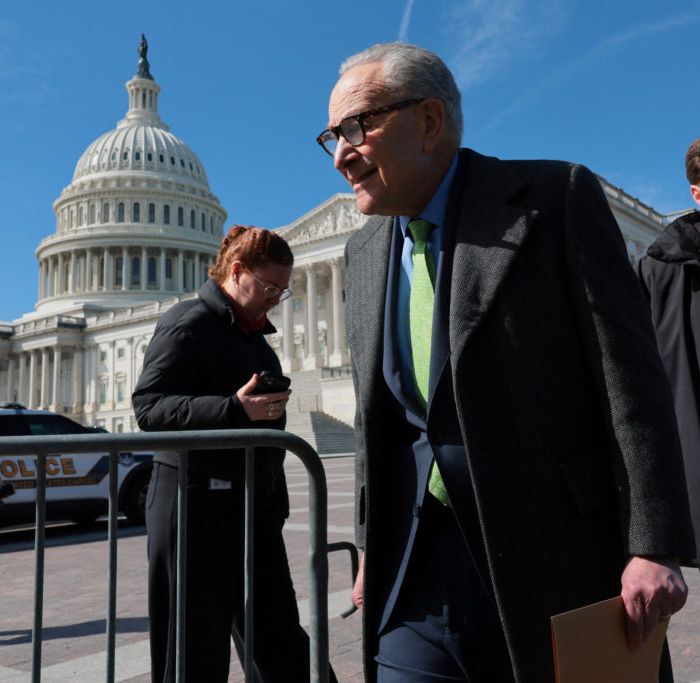
His colleagues have embraced the legislation as a fitting memorial. Senator Richard Blumenthal, the bill’s original co-sponsor, opened a Tuesday press conference by channeling Graham’s characteristic bluntness, calling the measure a very big deal in the senator’s own colorful style.
Blumenthal made clear that speed matters, both as a tribute to Graham and because the stakes for Ukraine are so high. He said he believed the votes were there and that the sooner the bill moved, the better.
Targeting the Heart of Russia’s Economy
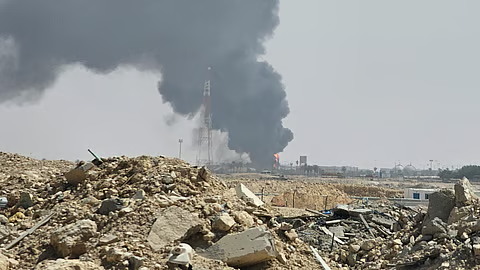
At its core, the bill takes aim at Russia’s most vital source of revenue: its oil and gas exports, which account for the vast majority of the Kremlin’s income. The timing is strategic, coming as Ukraine has intensified long-range strikes on Russian energy facilities, deepening an economic crisis that has eroded public support for the war inside Russia.
Blumenthal framed the legislation as a source of leverage for both Washington and Kyiv, particularly heading into potential peace talks. He stressed that the ultimate goal is peace, noting that no one wants the war to drag on.
He described the measure as imposing “sledgehammer sanctions” on Russia and those who enable it. The compromise legislation, officially titled the Sanctioning Russia Act 2026, mandates sanctions on Russia’s political leadership, financial institutions, energy sector, and sanctions evaders.
How the Compromise Came Together
The path to this version of the bill ran directly through high-level negotiations. The text was finalized between senators and the White House before Trump met with Ukrainian President Volodymyr Zelensky on the sidelines of the NATO summit in Ankara.
Graham, traveling with Senator Jeanne Shaheen, met with Treasury Secretary Scott Bessent during the summit to hammer out the final language. That meeting sought to balance Democratic concerns about granting the president too much tariff authority against the White House’s desire for flexibility.
The result reflects careful compromise. The bill includes a sliding tariff rate capped at 100 percent, along with an exemption for countries taking significant steps to reduce their Russian gas imports. Crucially, the White House provided written support, a major show of commitment for legislation that Graham and Blumenthal first introduced back in April 2025.
Who Gets Hit and Who’s Exempt
The mechanics of the bill reveal just how targeted its approach is. The latest version compels the president to impose tariffs on the top five major purchasers of Russian energy. While this primarily targets China, it could also sweep in U.S. partners and Ukraine supporters across Europe and Asia.
This marks a significant narrowing from an earlier draft. A previous version would have imposed a sweeping 500 percent tariff on purchasers of Russian energy, potentially ensnaring at least 63 countries. Democrats framed the tighter focus as a win for reining in executive tariff power.
According to data held by Senate aides, the key players fall into two categories:
- Top five purchasers of Russian crude oil: China, India, Slovakia, Hungary, and Azerbaijan.
- Top five importers of Russian natural gas: China, France, Japan, Hungary, and Belgium.
Certain countries can escape the tariffs entirely. Those whose natural gas imports fall below 15 percent of Russia’s total annual gas exports over a 12-month period, and who are actively working to reduce their Russian gas reliance, are exempt. That carve-out is expected to shield much of Europe and Japan.
Blumenthal explained that the exact tariff rate would be set by the U.S. Trade Representative but should be high enough to strongly discourage China, India, and other major buyers of Russian oil and gas, bringing maximum pressure to bear on Russia and its partners.
Cracking Down on Sanctions Evasion
The bill doesn’t stop at direct purchasers. It also provides for tariffs on countries that help Russia evade sanctions, including through its so-called ghost fleet, the unmarked ships that transport Russian energy around the world while evading detection.
An interagency process would officially determine which countries qualify as evaders. However, an analysis by Senate aides flagged China, India, the United Arab Emirates, Turkey, Singapore, and certain Central Asian countries as hotspots for sanctions evasion. Notably, no country can be sanctioned beyond 100 percent, even when violations overlap.
Democrats also secured a narrow presidential waiver provision, requiring the president to notify Congress and certify that any sanctions waivers are justified.
Mandatory Sanctions and a Firmer Stance
One of the most consequential shifts in this version is its mandatory nature. The legislation compels the president to impose sanctions within 30 days of passage, a marked change from the 2025 version, which made sanctions contingent on Russia refusing to negotiate with Ukraine.
The renewed momentum also reflects growing alignment between the U.S. and Europe. One European official described the sanctions as the product of a renewed convergence between the two, emphasizing that increasing pressure on Russia is essential to ending its war of aggression against Ukraine.
Trump’s Requests and Blumenthal’s Line in the Sand
Even with broad support, the bill faces last-minute debates over its scope. Trump said Tuesday that he supported adding sanctions against Iran and the Lebanon-based militant group Hezbollah to the Russia bill, and Senate aides noted that Iran would likely be caught up in the provisions anyway, given its close ties to Russia.
Blumenthal, however, drew a firm line against further changes. With all due respect to the president, he argued, Trump had already approved the bill, and the focus should be on moving it forward rather than reopening it to new targets.
A Warmer U.S.-Ukraine Relationship
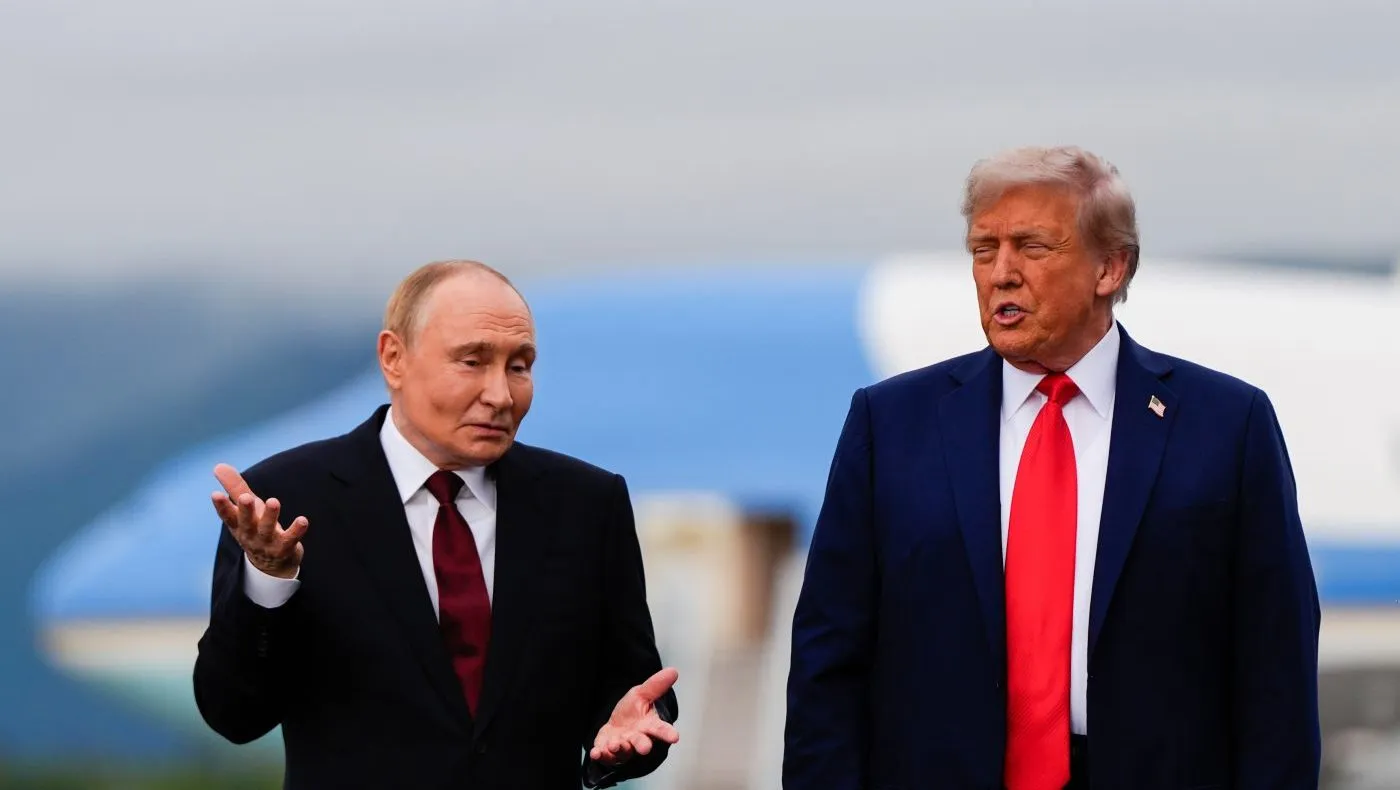
The legislative push coincides with a notable thaw in relations between Trump and Zelensky. At their NATO summit meeting, Trump signaled a warmer rapport, offering to purchase Ukrainian drones and granting Ukraine permission to co-produce Patriot interceptors, a significant step that would deepen military ties between the two nations if carried through.
Senate aides described a sense of relief among lawmakers who attended the summit. Despite some initial nervousness about the outcome of the Trump-Zelensky meeting, members were pleasantly surprised by the announced deliverables, including Patriot interceptor co-production and data sharing between the Pentagon and Ukraine. The timing of the White House’s endorsement of the sanctions bill aligned neatly with those developments.
What Comes Next
With 26 initial co-sponsors evenly split between the parties, backers expect to quickly reach the 60 or more needed to guarantee passage and a veto-proof majority. Senate Majority Leader John Thune has reportedly told Blumenthal he’s prepared to bring the bill to the floor once it has enough co-sponsors to ensure success.
As the Senate moves forward, the Sanctioning Russia Act 2026 stands as both a strategic weapon against Putin’s war machine and a lasting tribute to the senator who fought to bring it to life. For Ukraine, its supporters, and a bipartisan coalition in Washington, the message is clear: the pressure on Russia is about to intensify.
Author