Anthropic Overtakes OpenAI: Inside the AI Giant’s Stunning Rise and Silicon Valley’s Election Spending Spree
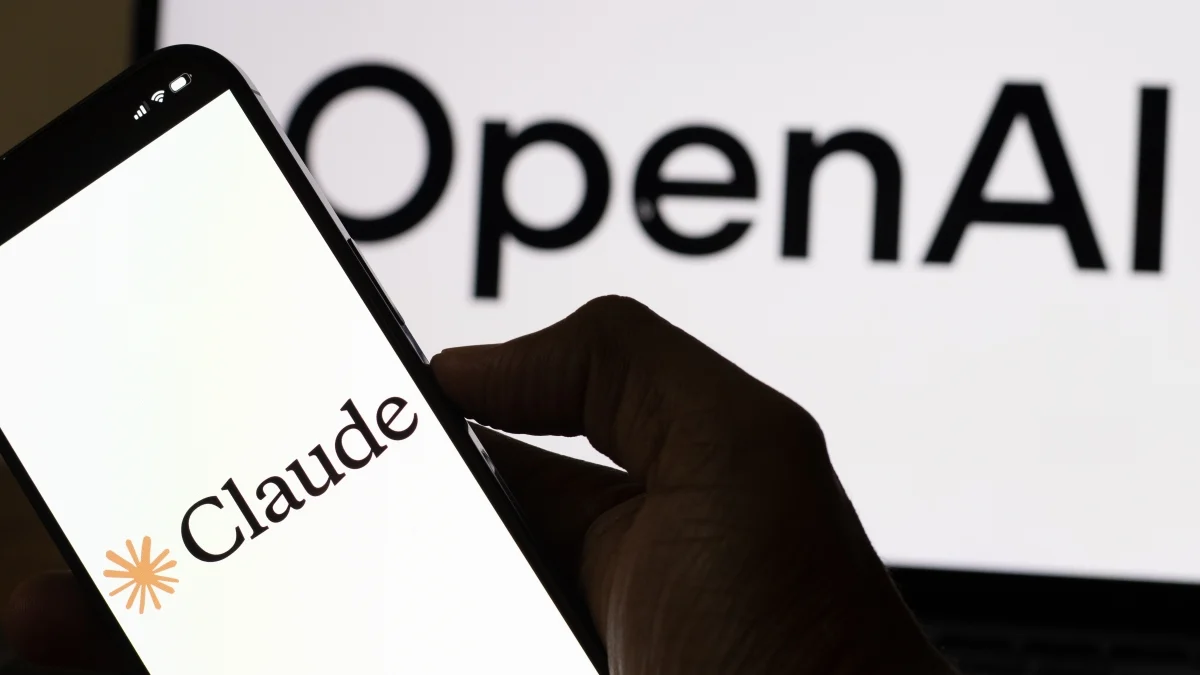
Anthropic overtakes OpenAI in one of the most dramatic reversals the artificial intelligence industry has seen, capping a year that has reshaped the competitive map of Silicon Valley. The maker of the Claude chatbot has gone from scrappy challenger to front-runner, and a fresh stock-market filing has made its ascent impossible to ignore. Meanwhile, the same tech fortunes fueling the AI race are now pouring into California’s elections at record levels.
Anthropic Files to Go Public, Beating OpenAI to the Punch
On Monday, Anthropic confirmed it had confidentially filed for an initial public offering on the U.S. stock market. The announcement arrived in a notably terse blog post that offered neither a firm timeline for going public nor the number of shares the company intends to sell.
The move caps a remarkable run and, just as importantly, gets ahead of rival OpenAI, which has long been expected to file for its own IPO. It marks the second blow Anthropic has landed in a single week.
Days earlier, the company leapfrogged OpenAI to become the world’s most valuable startup. A $65 billion funding round pushed its valuation to roughly $965 billion, edging past OpenAI’s $852 billion. The leap is staggering when you consider that Anthropic was valued at $380 billion only in February. According to reporting from the Wall Street Journal, the company’s explosive revenue growth, driven heavily by a coding tool that has become a hit with business clients, has positioned it for its first profitable quarter.
A Reversal of Fortune in the AI Race
Not long ago, Anthropic was viewed as a smaller player chasing the leaders. Over the past year, it has drawn level with OpenAI and, by several measures, pulled ahead.
The IPO filing crowns that climb. Curiously, Anthropic CEO Dario Amodei once worked at OpenAI, the very rival now struggling to keep pace. A few contrasts illustrate the shift:
- OpenAI’s coding product, Codex, has not matched the popularity of Anthropic’s Claude Code among enterprise users.
- Anthropic’s cybersecurity model, Claude Mythos, drew major international attention for its ability to uncover bugs in widely used software.
- OpenAI’s comparable offering, released weeks later, landed with far less buzz.
For the company that effectively launched the modern AI boom with ChatGPT, losing its first-mover advantage is a striking turn, and one that could shape how investors weigh the two companies. SpaceX, Anthropic, and OpenAI are all expected to go public this year, potentially adding trillions in market value, and the hype surrounding each will drive its valuation. As one Guardian columnist quipped, if OpenAI keeps slipping, Sam Altman may end up playing second fiddle to Amodei.
An Unlikely Alliance With the Vatican
Anthropic’s rise hasn’t been purely financial. In late May, Pope Leo XIV issued the first encyclical of his papacy, a sweeping text titled “Magnifica Humanitas,” or “Magnificent Humanity,” dedicated to protecting human dignity in the age of artificial intelligence.
The pope warned that AI must operate under rigorous ethical limits as it spreads into work, warfare, and daily life, and he flagged its potential to displace workers, intensify conflict, and strain the environment. Standing alongside him at the presentation was Anthropic co-founder Chris Olah, one of the architects of the very technology the pontiff was cautioning against.
That pairing raised eyebrows and prompted a pointed question: how can the Catholic Church and the world’s most valuable AI startup share a stage when one is warning about the future the other may help build?
Critics weren’t shy. Pete Furlong of the Center for Humane Technology argued that companies building tools designed to replace human workers sit fundamentally at odds with the pope’s message about human dignity. Timnit Gebru, who founded the Distributed Artificial Intelligence Research Institute, went further, calling the partnership a form of “Vatican-washing” and suggesting the Church would have done better to stand with exploited data workers and communities affected by data-center pollution.
A Mutually Useful Partnership
Look closer, and the alliance makes strategic sense for both sides. The encyclical’s title even echoes Anthropic’s own name, which refers to humanity, and both parties leaned into a shared language of human-centered values.
For Anthropic, appearing beside a moral authority calling for thoughtful, slower AI development reinforces its carefully cultivated image as the safety-first lab, even as it shows no sign of easing its own pace of product releases. For Pope Leo, aligning with the company that just seized the lead in the AI race lets him position himself as a relevant critic operating at the technology’s cutting edge.
Whatever one makes of the optics, the encyclical’s underlying warning is hard to dismiss: technology built solely to maximize profit risks benefiting a few at the expense of many. Both the harshest critics and the warmest admirers of the pope’s message ultimately share a common thread, a deep wariness of the tech industry’s most powerful figures.
Silicon Valley Floods California’s Elections With Cash
That wariness has a fresh data point. As the AI race accelerates, Silicon Valley’s billionaires have turned California’s primaries, where voters decide who appears on the November ballot, into the most expensive in the state’s history.
For tech leaders, the spending is existential. With friendly candidates in office, companies expect to grow rapidly while fending off regulations they see as stifling. A review of campaign-finance filings with California’s secretary of state turned up some eye-opening figures:
- Google co-founder Sergey Brin has spent $66 million since January, more than any other single donor, to oppose a proposed billionaire tax on the November ballot. The measure would impose a one-time 5% tax on the state’s billionaires to fund education, food assistance, and healthcare.
- Democratic gubernatorial candidate Matt Mahan, the moderate mayor of San Jose, has pulled in more tech-sector donations than any rival, including from executives at Google, Amazon, Snap, LinkedIn, Reddit, and Palantir.
- Crypto entrepreneur Chris Larsen has funneled $26 million into three super PACs targeting races across the state, including a $1 million boost for a candidate for insurance commissioner, the official who oversees California’s insurance industry and consumer protections.
- Google and Meta together pumped $10 million into a super PAC supporting state assembly and senate candidates in local races.
The money isn’t stopping at the statewide level, either. Tech-backed PACs have funded voter guides advising residents how to vote on local tax measures, extending Silicon Valley’s reach down to city primaries.
The Bottom Line
Anthropic’s leap past OpenAI, its march toward a blockbuster IPO, and its high-profile turn at the Vatican together capture a company moving with extraordinary momentum. Yet the surge of tech money into California politics is a reminder that the AI boom is about more than valuations and chatbots. It’s also a contest over influence, regulation, and who gets to shape the rules of the technology that may define the coming decade.
Author