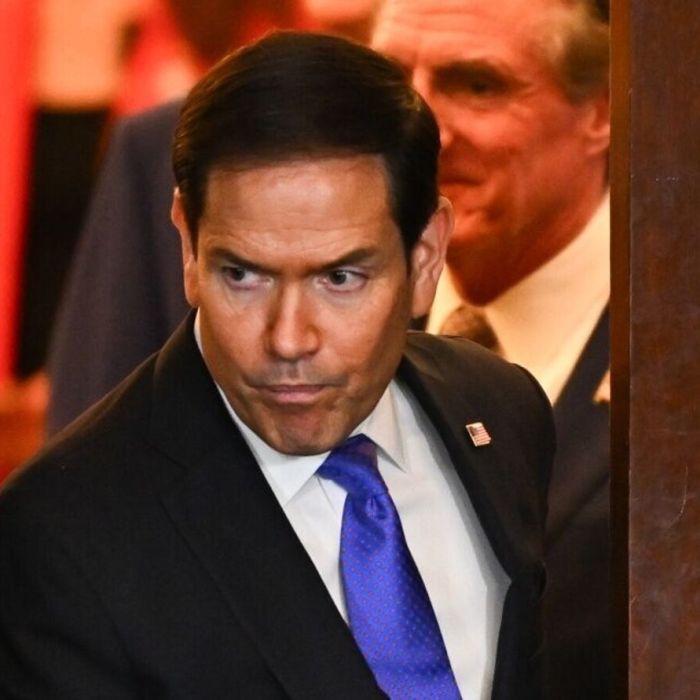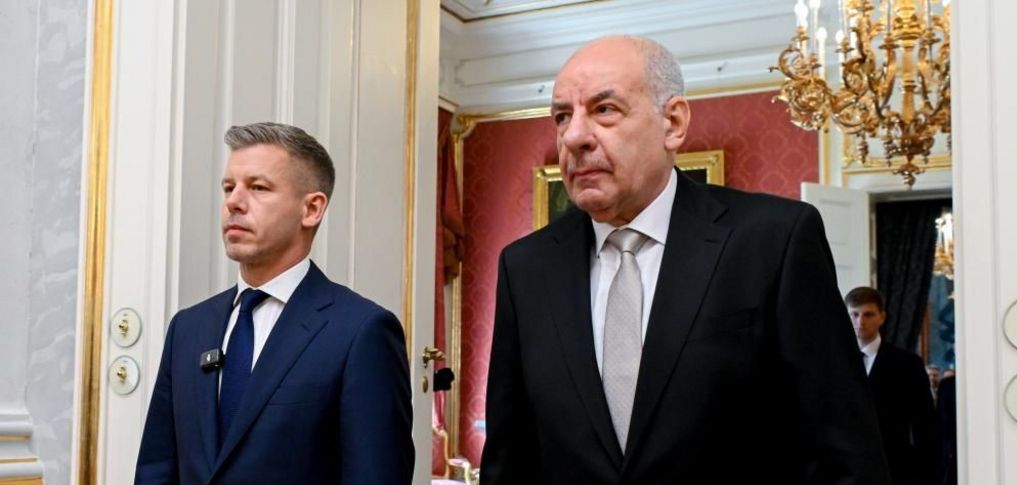
The Hungary president constitutional amendment that ends Tamás Sulyók’s own term was signed by Sulyók himself on Saturday — a self-terminating act he carried out while condemning the law that required it.
Prime Minister Péter Magyar later confirmed the signing.
A President Signing His Own Removal
Sulyók, an ally of long-serving nationalist former Prime Minister Viktor Orbán, framed the decision in terms of constitutional obligation.
He said he was fulfilling his duty under the Fundamental Law — Hungary’s constitution — after carefully weighing both his legal options and his conscience.
That phrasing carried an implicit message: he did not believe he had a choice.
What the Amendment Does
Magyar’s ruling Tisza party passed the measure on Monday. It forms part of a broader effort to remove what remains of Orbán’s political apparatus after voters ejected him and his Fidesz party in April elections.
Beyond ending Sulyók’s term, the amendment:
- Imposes a 12-year term limit on all lawmakers
- Establishes mandatory retirement at age 70 for Constitutional Court justices
That second provision has an immediate and specific effect. It forces Orbán ally Péter Polt out of his role as president of the court.
Months of Resistance
Sulyók had refused earlier calls to resign.
Magyar and his pro-EU party had argued that voters no longer had confidence in him and accused him of obstructing progress on matters of national interest.
He held out until legislation made the position untenable.
His Warning on the Way Out
Sulyók did not sign quietly. He criticized the law as establishing a negative precedent that inflicts a deep wound on the constitutional values of democracy, the separation of powers, and the rule of law.
The irony is difficult to miss. Those are precisely the grounds on which Brussels criticized and ultimately sanctioned Hungary during the years when Orbán and Fidesz held power.
He also accused Magyar and Tisza of trampling the fundamental values of a free society.
Orbán went further, declaring that tyranny is no longer a threat but a reality.
The Government’s Case
Magyar welcomed the departure in blunt terms, saying the final obstacle to his government’s joint decisions taking effect had been removed.
He framed the changes as restorative rather than destructive, arguing that they reestablish something the Orbán regime spent years trying to eliminate: the certainty that power can be limited, that public assets can be recovered, and that the state can serve its citizens again.
Tisza won a landslide in April, taking a two-thirds parliamentary majority on a promise of regime change after sixteen years of Fidesz rule.
What Happens Next
Sulyók’s term officially ends at midnight on Sunday.
Ágnes Forsthoffer, currently speaker of parliament, will serve in his place until lawmakers elect a replacement to a term of up to five years.
That election is scheduled to occur within the next 30 days.
Not Everyone on the Left Is Comfortable
The most complicated reaction has come from quarters that spent years criticizing Orbán.
Corruption was widely regarded as endemic during his rule, and Tisza’s mandate rests substantially on that record. Even so, Human Rights Watch described the new law as reminiscent of the Fidesz era.
That criticism identifies the central tension. Using a two-thirds majority to amend the constitution and remove sitting officials is the same mechanism Fidesz employed for years. The direction has reversed; the instrument has not.
The Question Hungary Faces
There are two defensible readings of what happened on Saturday, and both are being argued loudly.
One holds that a democratically elected government with an overwhelming mandate is dismantling entrenched structures built to survive electoral defeat. On this view, removing a president who lost public confidence and forcing retirement on court officials appointed to outlast their patron is corrective, not authoritarian.
The other holds that constitutional amendments designed to remove specific individuals are dangerous regardless of who is removed. Rules bent for good reasons stay bent, and the precedent belongs to whoever wins next.
Sulyók made the second argument on his way out the door. His credibility in making it is exactly what is in dispute — he spent years associated with a system that pioneered the technique.
Hungary now has thirty days to choose a president under rules that were rewritten specifically to make that choice necessary.
Author