New York Times Fights Back Against Trump Administration Subpoenas Targeting Reporters
The New York Times subpoenas issued by the Trump administration have sparked a fierce legal battle over press freedom and the protection of journalistic sources. The newspaper has moved to challenge what it calls unusual and improper demands for several of its reporters to testify before a grand jury about their anonymous sources. The clash raises pressing questions about the boundaries of government power and the constitutional rights of the press.
A Legal Challenge Mounts
The Times wasted little time pushing back. In a statement released Wednesday night, the paper’s top newsroom lawyer, David McCraw, described the subpoenas as abusive and improper, arguing that a court should quash them.
McCraw did not mince words about the motivation behind the demands. He asserted that the subpoenas were brought in bad faith specifically to punish the Times for its coverage, and that they violated the constitutional rights of both the newspaper and its journalists.
The Story That Triggered It All
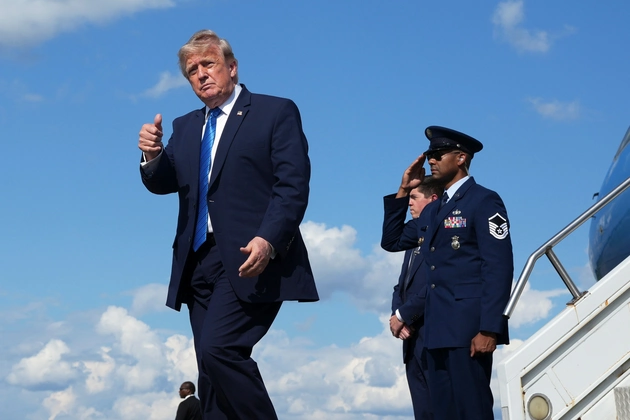
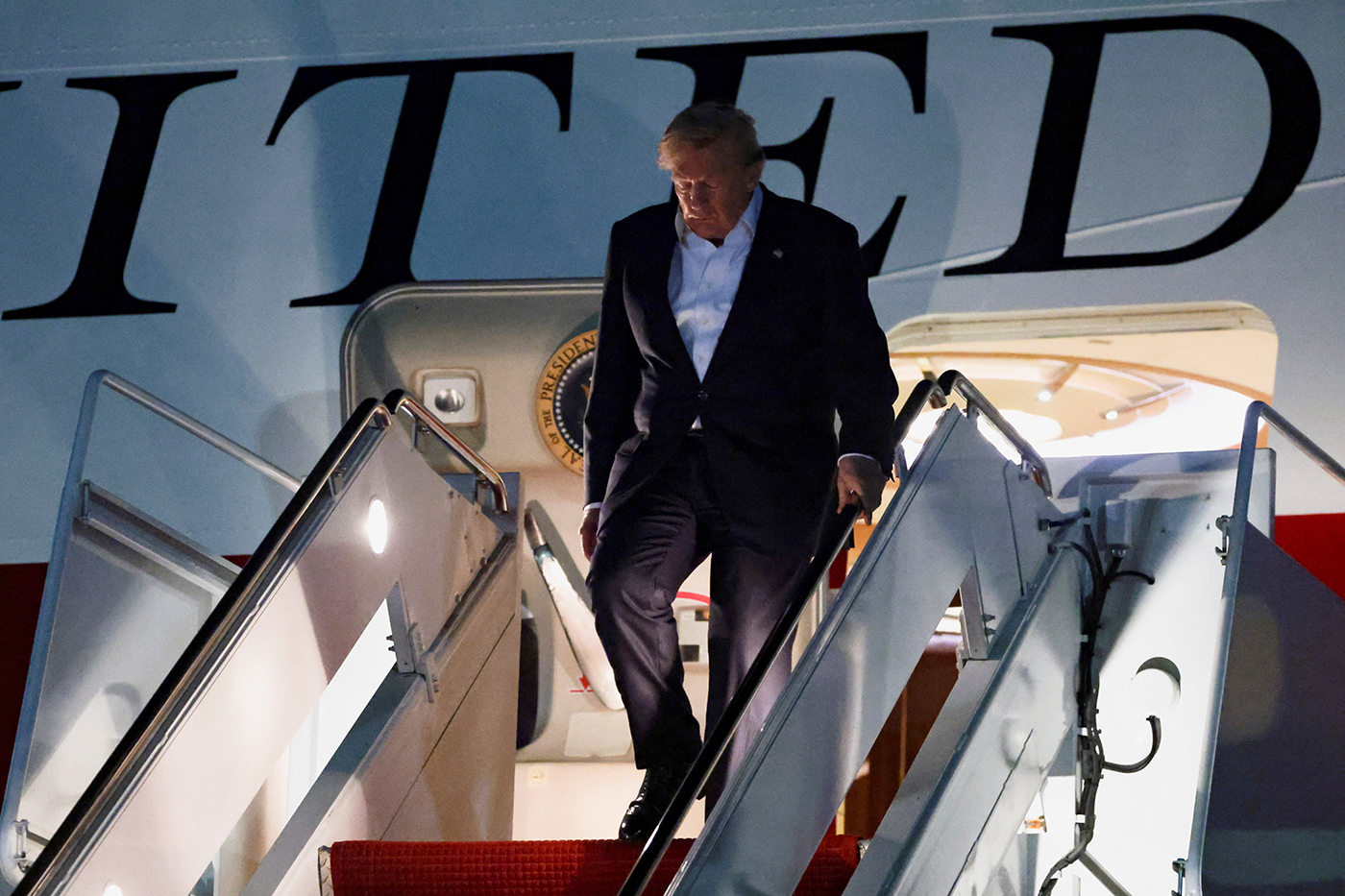
The timing of the subpoenas has drawn significant scrutiny. The demands for testimony arrived just two days after the Times published a story that contradicted President Donald Trump’s claims about the new Qatari-gifted Air Force One.
The reporting focused on security deficiencies in the new plane, and it reportedly angered the president. That anger appears to have set off a sprawling leak investigation aimed at uncovering the sources behind the story. Additional details about the leak hunt surfaced through other outlets earlier that same day.
The Justice Department’s Position
In response to the revelation that several of its reporters had been subpoenaed, the Justice Department offered a defense of its actions. Officials maintained that reporters were not the actual targets of the investigation, insisting instead that those leaking classified information were the focus.
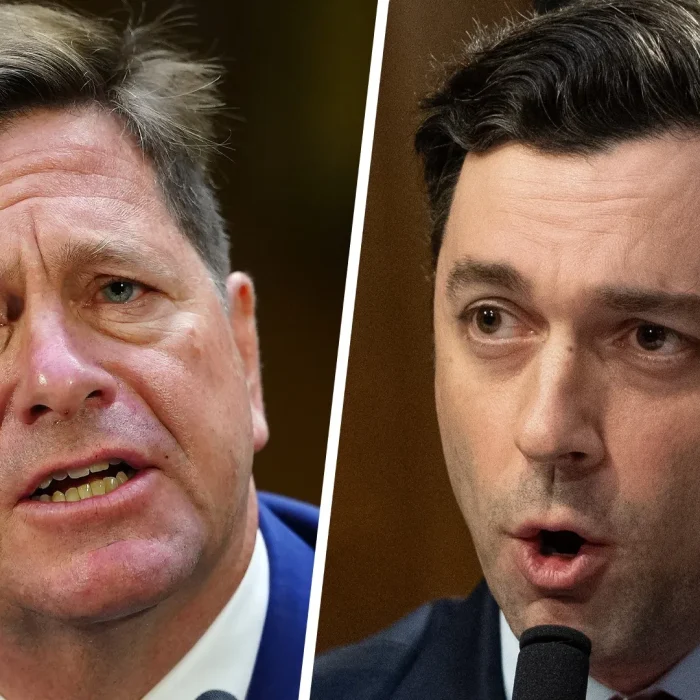
Todd Blanche, Trump’s nominee for attorney general, further defended the process during his Senate confirmation hearing. Blanche confirmed that he had authorized the subpoenas and compared the reporters to material witnesses. He likened their role to that of a witness to a car crash, framing the journalists simply as people who had observed something relevant.
A Divided Reaction
The subpoenas have provoked sharply different responses across the political spectrum. Some conservative groups have echoed the administration’s justification, defending the legitimacy of the investigation.
Progressives, on the other hand, have taken a far more critical view. They argue that the government is attempting to unfairly punish two groups at once:
- The leakers who undermined Trump’s claims about the aircraft
- The journalists who reported what those leakers revealed
A Battle Over Secrecy
Adding another layer of complexity, the case is largely shrouded in secrecy. McCraw noted that the Times’ motion had been delivered under seal, pursuant to a court order, meaning it remains hidden from public view.
The newspaper is pushing to change that. McCraw emphasized that the Times believes the public has a right to information about the case and is actively seeking to have the relevant papers unsealed.
Testimony Delayed
The subpoenas, issued last Friday, had originally called for the reporters to appear before a grand jury on Wednesday. That appearance did not take place, however, as the news organization mounted its legal challenge instead.
The Times has argued that U.S. law protects journalists from retaliation, which it believes is precisely what this case represents. The newspaper has not stood alone in this fight, as a wide array of First Amendment groups and news media advocates have rallied to its support.
Editors Vow to Continue Reporting
Leadership at the Times has framed the episode as a direct threat to press freedom. Executive editor Joe Kahn characterized the subpoenas as an attempt to intimidate both the journalists and the newspaper itself, pledging that the Times would continue reporting on both Air Force One and the government’s use of prosecutorial power against the independent press.
Kahn drew on his personal experience to underscore the stakes. Having worked as a foreign correspondent in China, he said he had witnessed firsthand how an authoritarian government can prevent journalists from reporting on matters of clear public interest. He stressed that preventing that kind of erosion of press freedoms in the United States was essential to American democracy.
The Prosecutor Responds
The attorney who signed the subpoenas also faced questions on Wednesday, though he offered few specifics. Jay Clayton, the U.S. Attorney for the Southern District of New York, was pressed on the matter by several Democratic senators during his own confirmation hearing. Clayton is in line to become director of national intelligence.
Senator Ron Wyden raised a pointed concern, suggesting it was not even clear that the subpoenas followed the administration’s own policy. That policy requires the government to first make all reasonable attempts to obtain information from other sources before turning to journalists.
Clayton declined to discuss the details but maintained that the proper procedures had been followed. He stated that they had adhered to the required processes, including those in place to protect the First Amendment and safeguard freedom of the press.
What’s at Stake
The confrontation between the New York Times and the Trump administration extends well beyond a single story about Air Force One. At its core, the dispute touches on fundamental questions about the relationship between government power and a free press.
As the legal challenge unfolds, the outcome could carry significant implications for how far the government can go in compelling journalists to reveal their sources. For the Times and its allies in the press freedom community, the case represents a critical test of the protections that underpin independent journalism.
For now, the reporters have avoided testifying, and the battle has shifted to the courts. Whether the subpoenas are ultimately quashed or upheld may help define the boundaries of press freedom in an era of heightened tension between the government and the media.
Author