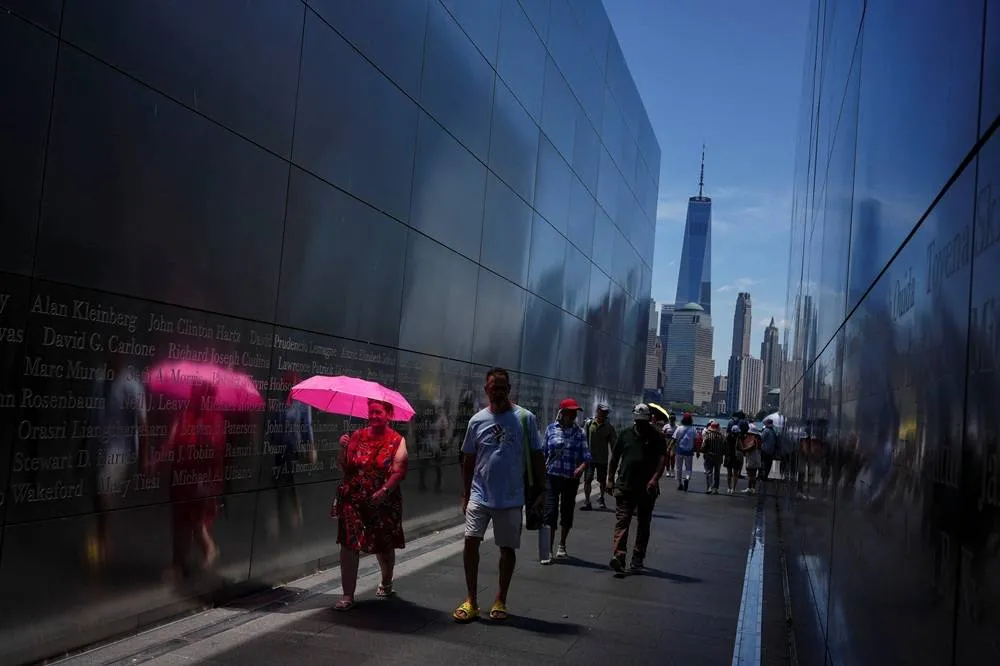
The staggering scale of New Jersey heat wave deaths has left officials sounding the alarm, as the toll from a brutal stretch of extreme temperatures may climb as high as 29 lives lost. What state leaders describe as an extraordinary and dangerous event has gripped the region, claiming victims across a wide range of ages and delivering a sobering reminder of just how lethal prolonged heat can be.
An Unprecedented Weather Event
State officials didn’t mince words when describing the severity of the situation. The victims spanned an age range from their mid-30s all the way to their 80s, and the majority of the deaths clustered in New Jersey’s densely populated central and northern areas.
In these regions, the mercury soared past 100 degrees for days on end. Even more troubling, temperatures remained stubbornly high after sunset, offering little relief when residents would normally expect the night to cool things down.
Dalya Ewais, a spokeswoman for the health department, captured the extraordinary nature of the crisis. She described the conditions as far from a typical heat wave, calling the intensity genuinely alarming and unlike ordinary summer weather.
Confirming the Cause
While the numbers are alarming, officials have been careful to note the process still underway. Pathologists must still verify that hyperthermia, the medical term encompassing severe conditions like heat stroke and heat exhaustion, was responsible for each death connected to the extreme temperatures.
Despite this pending confirmation, the state chose to release the count of likely heat-related fatalities. Ewais explained that the decision aimed to serve as a powerful warning about the dangers of extended exposure to high heat, which ranks among the leading causes of weather-related deaths.
According to officials, those who perished were discovered in a variety of settings, including inside homes, in vehicles, and outdoors.
When Heat Gave Way to Storms
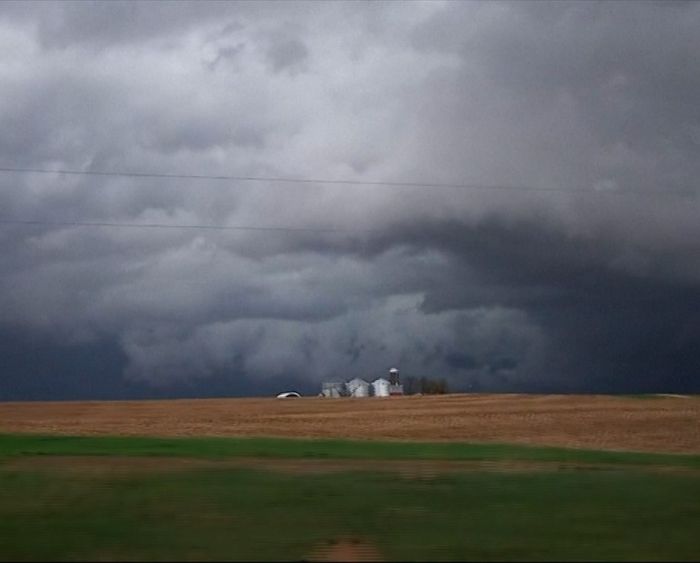
The oppressive heat was only the beginning of the region’s weather woes. As the heat wave progressed, it brought with it powerful winds followed by torrential rain.
On Friday evening, wind gusts climbed to 71 miles per hour, falling just short of hurricane strength. These fierce winds knocked down tree limbs and toppled power lines across the area.
Then came the rain. On Monday morning, intense storms battered parts of South Jersey, leading to dramatic scenes:
- Cars were submerged by flash flooding in Monmouth County.
- The roof of a BJ’s Wholesale Club in Ocean County partially collapsed.
- Shoppers and security cameras captured footage of the ceiling cascading down, though remarkably, no injuries were reported.
The combination of heat, wind, and flooding created a multi-layered disaster that stretched emergency resources and left communities reeling.
Widespread Power Outages
The severe weather took a significant toll on the region’s power grid. By late Monday afternoon, roughly 185,000 homes and businesses remained without electricity across Connecticut, New Jersey, New York, and Pennsylvania, according to tracking data from utility companies.
For residents already struggling to cope with the heat, losing power meant losing access to air conditioning and fans, compounding the danger during an already perilous stretch.
A Toll Rivaling Major Disasters
Perhaps the most sobering perspective comes from comparing this heat wave to other catastrophes in New Jersey’s recent memory. The potential number of heat-related deaths approaches the grim tolls recorded during two of the state’s deadliest natural disasters.
Hurricane Sandy claimed at least 40 lives in New Jersey back in 2012, while Hurricane Ida caused 30 deaths in 2021 through devastating flash flooding. That a heat wave could produce a comparable death toll underscores how underestimated this type of weather threat often is.
The Science Behind the Extremes
Experts pointed to specific atmospheric conditions that intensified the week’s dangerous weather. John Krasting, the state’s climatologist at Rutgers University, explained that a high-pressure system created a dome-like effect over the region.
This heat dome trapped both heat and air pollution near the surface. It also prevented Monday’s storm from moving offshore as quickly as it otherwise might have. As a result, more than four inches of rain fell rapidly in parts of New Jersey, transforming roads into rivers and swamping vehicles along sections of the Jersey Shore.
Krasting, a former researcher with the National Oceanic and Atmospheric Administration, identified additional factors that worsened the situation. He noted that climate change, combined with a two-year drought that had left the soil unable to quickly absorb rainfall, contributed significantly to the intensity of the extreme weather. In his words, a changing climate is altering the likelihood of exactly these kinds of extreme events.
Officials Sound the Warning
State leadership had anticipated trouble. The previous week, Governor Mikie Sherrill warned residents to prepare for what she called the hottest stretch the state had experienced in 14 years.
As the death toll mounted, reaching at least 19 possible heat-related fatalities at one point, Sherrill convened a second weather-related news conference on Saturday. Alongside health commissioner Dr. Raynard Washington, she reminded residents how to locate cooling centers and access other vital heat-related resources.
Dr. Washington highlighted a heartbreaking pattern among the victims. Many of those who died were found in homes lacking air conditioning, leaving them dangerously exposed to the relentless heat.
The Crisis Spreads to New York
New Jersey wasn’t alone in feeling the deadly effects. In New York City, officials confirmed that three people died from heat-related illnesses, all within their own homes.
The medical examiner’s office noted that each victim had underlying health conditions. All three suffered from cardiovascular disease, and two also had diabetes, illustrating how extreme heat poses especially grave risks to those with existing medical vulnerabilities.
New York officials did not specify how many additional deaths might be linked to the high temperatures, even as hospitals treated an unusually high number of patients for heat-related problems.
Emergency Rooms Overwhelmed
The strain on medical facilities was evident in the data. On Friday, as temperatures reached triple digits in parts of New York for a second consecutive day, emergency rooms across the city recorded 146 visits for heat-related illness. That marked the highest single-day total in recent years.
The preceding day had been the city’s hottest in more than a decade, generating 100 heat-related emergency room visits. To put this in perspective, since 2017, emergency rooms have logged 100 or more such visits on only six days total.
New Jersey experienced a similar surge. On Thursday, 99 people received treatment in state hospitals for heat-related emergencies, according to the health department’s dashboard. The following day, that figure jumped to 132 people seeking care.
No Relief After Dark
One of the most dangerous aspects of the heat wave was the absence of nighttime cooling. Throughout the event, evening temperatures stayed unusually elevated, denying residents the recovery period their bodies desperately needed until temperatures finally began dropping on Sunday.
The numbers from Newark, New Jersey’s largest city, tell a striking story. Krasting reported that the coolest temperature recorded at the airport from Thursday night into Friday was 87 degrees, just two degrees shy of the warmest night ever documented since record-keeping began in the 1890s.
The all-time record still belongs to Hammonton, where readings dipped only to 89 degrees on June 26, 1952. Krasting emphasized the human cost of these warm nights, explaining that our bodies rely on cooler nighttime temperatures to recover, and that essential relief simply never arrived.
Final Thoughts
The devastating heat wave that swept through New Jersey and neighboring states serves as a powerful and tragic reminder of the growing dangers posed by extreme weather. With a death toll potentially reaching 29, rivaling that of major hurricanes, the event demands serious attention.
As climate change continues to increase the frequency and intensity of such events, the lessons from this deadly stretch are clear. Communities must remain vigilant, ensure vulnerable residents have access to cooling resources, and recognize that heat, though often underestimated, ranks among the most lethal weather threats of all.
Author