Stocks dip as Iran attacks send oil prices climbing, with renewed hostilities in the Gulf rattling global markets on Wednesday. As hopes for a breakthrough on the Strait of Hormuz faded, European shares and U.S. futures slipped while oil pushed closer to the $100 mark, underscoring how deeply geopolitical tension is now weighing on investor sentiment.
Markets Pull Back
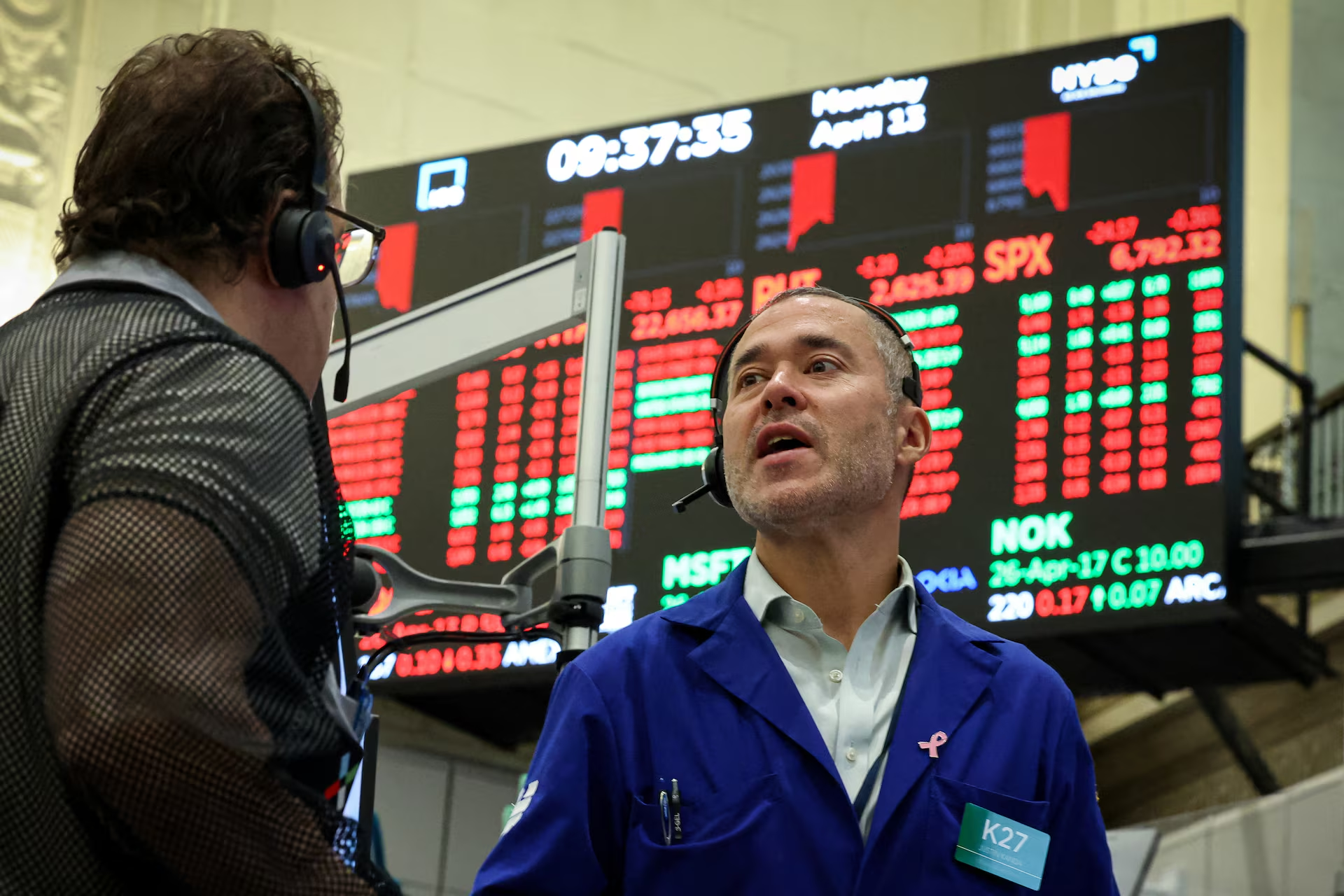
The mood across global markets turned cautious as fresh violence in the Gulf overshadowed recent optimism. The declines, while modest, reflected growing unease.
In early trading, Europe’s STOXX 600 index fell 0.4%, while futures for the U.S. S&P 500 slipped 0.1%. The retreat marked a clear shift from just days earlier, when investors had been betting on a path toward peace.
A Ceasefire Under Strain
The trigger for the renewed anxiety was a sharp escalation in hostilities between the United States and Iran. The fragile ceasefire between the two sides was severely tested once again.
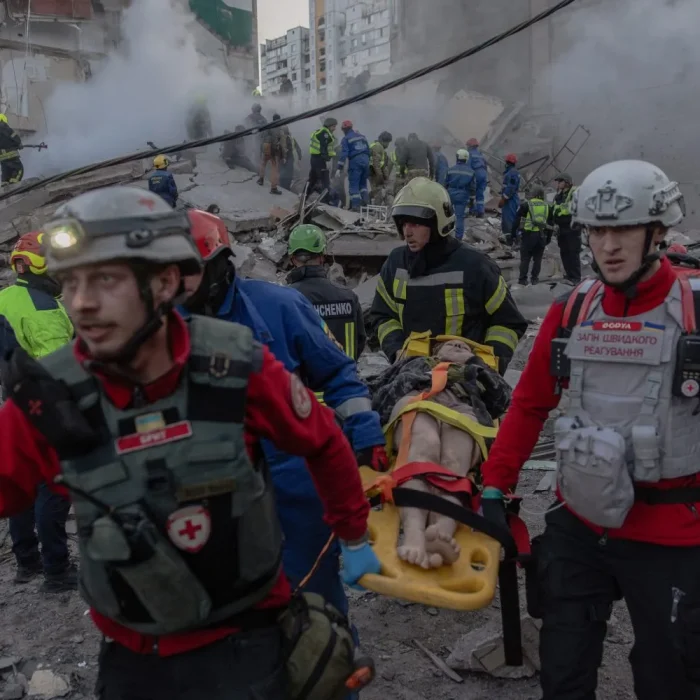
An Iranian missile attack damaged Kuwait’s airport on Wednesday, while the U.S. military struck sites near the Strait of Hormuz. The exchange dealt a fresh blow to hopes for stability in the region.
Although Iran and the United States said last week they had reached a tentative deal to halt the war, neither side has yet signed off on anything, leaving the truce dangerously incomplete.
Oil Marches Toward $100
The most immediate market consequence has been a steady climb in oil prices, which rose for a third consecutive session.
Global benchmark Brent crude advanced 2% to reach $98 a barrel, edging ever closer to the symbolic $100 threshold. The persistent upward pressure reflects fears that continued conflict could disrupt the flow of energy through one of the world’s most critical chokepoints.
The Stalled Path to Peace
Analysts pointed to a clear reversal in market expectations. Just a week ago, investors had been increasingly confident that a resolution was within reach.
Chris Weston, head of research at broker Pepperstone in Melbourne, explained that markets had recently been buoyed by the belief that some form of memorandum of understanding was coming. Now, he said, the situation looks far more precarious.
According to Weston, the renewed hostilities suggest both sides are returning to the negotiating table with less room to reach a deal. As a result, he noted, many of the optimistic bets placed earlier are now being unwound.
A Warning on Global Growth
The stakes extend well beyond the markets. The Organisation for Economic Co-operation and Development issued a stark warning on Wednesday about the broader economic risks.
The OECD cautioned that if the conflict drags into next year, it could slow global growth to rates rarely seen outside of major crises, comparable to the 2008 financial crash, while simultaneously pushing inflation sharply higher.
That dual threat of stagnating growth and rising prices represents one of the most worrying scenarios for the global economy.
Europe Feels the Pain More
The impact of the crisis has not been felt evenly across regions. European markets have borne a heavier burden than their U.S. counterparts.
Two key factors explain the divergence:
- Europe is a major energy importer, leaving it more exposed to rising oil prices
- Europe has fewer companies focused on artificial intelligence, missing the AI-driven cushion supporting U.S. stocks
This combination has left European equities more vulnerable to the fallout from the Iran crisis, even as AI enthusiasm continues to provide a degree of insulation for American markets.
Currency Markets on Edge
The tension also rippled into foreign exchange markets, where traders remained watchful. The U.S. dollar index, which tracks the currency against a basket of peers, was flat at 99.31.
A particular point of focus was the dollar’s strength against the Japanese yen. The dollar rose to the 160 level, a threshold at which markets typically grow nervous about possible intervention from authorities in Tokyo. It later eased slightly to trade at 159.65 yen.
The Bigger Picture
The renewed turbulence highlights how a single geopolitical flashpoint can reshape market sentiment almost overnight. The key forces now at play include:
- Faltering hopes for a Strait of Hormuz breakthrough
- Oil prices creeping toward $100 amid supply fears
- A stark OECD warning about growth and inflation risks
- Uneven regional impact, with Europe more exposed than the U.S.
What Comes Next
As stocks dip on Iran attacks and oil prices rise, markets find themselves caught between fading diplomatic hopes and mounting economic risks. The AI boom continues to offer a partial safety net, particularly for U.S. equities, but it cannot fully offset the dangers posed by a widening conflict.
For now, investors face a tense waiting game, watching closely to see whether the United States and Iran can revive their stalled negotiations or whether the cycle of attacks will deepen. With oil approaching $100 and warnings of crisis-level economic damage growing louder, the path ahead hinges on whether diplomacy can regain the momentum it appears to have lost.
Author