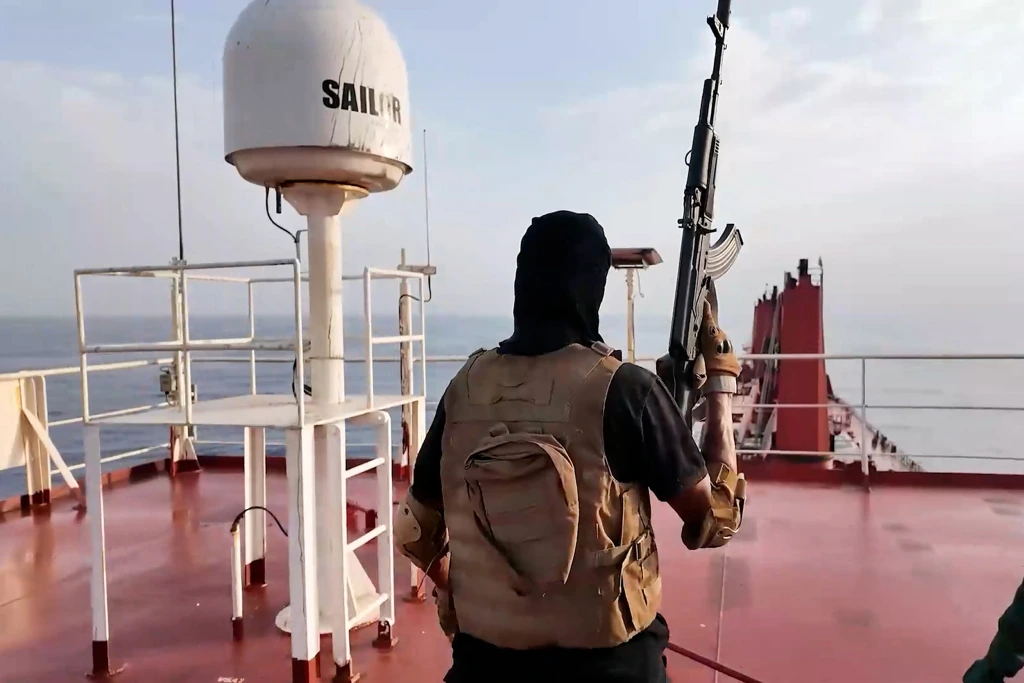
The Houthi maritime embargo Saudi Arabia now faces has opened what could become a second front in a conflict already strangling global oil movement, arriving on the same day the United States completed its tenth consecutive night of strikes against Iran.
The timing matters enormously. Regional mediators have simultaneously put a 10-day ceasefire proposal in front of both Washington and Tehran, which means the next several days could either de-escalate the war or substantially widen it.
The Latest American Strikes
US Central Command announced it had conducted another round of attacks on Iran at 9 p.m. ET Monday.
According to the CENTCOM statement, American forces hit Iranian military command centers, maritime capabilities, missile and drone launch sites, and air defense systems. The stated purpose was degrading Iran’s ability to keep attacking commercial vessels moving through the Strait of Hormuz.
CENTCOM also offered numbers meant to demonstrate the operation is working. It said commercial transits are continuing, and that its forces have facilitated the passage of roughly 900 commercial vessels and 450 million barrels of crude through the strait since early May.
Iran Presses Back
Iran responded early Tuesday by attacking a tanker in the Strait of Hormuz, forcing the crew to abandon the vessel.
The strait normally handles about 20 percent of the world’s oil traffic. Iran’s evident objective is tightening its grip on that corridor, and each successful attack on shipping reinforces the message to insurers and shipowners regardless of how many vessels CENTCOM escorts through.
The Houthis Open a Second Front
Yemen’s Iran-backed Houthi militants declared a maritime embargo against Saudi Arabia on Monday, effective immediately.
The group has repeatedly threatened to close the Bab el-Mandeb Strait during this war. That waterway connects the Red Sea to the Gulf of Aden and onward to global markets, making it one of the few remaining chokepoints still functioning.
In a statement carried by state news, the Houthis accused the Saudis of imposing an aggressive siege against them. Tensions had already escalated last week when the group claimed Riyadh bombed Sanaa International Airport.
The Saudi-led coalition in Yemen has said it will meet the blockade with force, reportedly describing the threats as a blatant violation of international law.
Why This Combination Is So Dangerous
Jorge León, senior vice president and head of geopolitical analysis at Rystad Energy, laid out the mechanics in a Monday research note.
He estimated the Houthi threat puts roughly 2.5 million barrels per day of Saudi crude at risk, and it does so at the worst possible moment.
With Hormuz largely closed, the market has grown increasingly dependent on Saudi Arabia’s East-West pipeline and its Red Sea terminals to keep exports flowing.
That pipeline, known as Petroline, runs roughly 750 miles across the kingdom. It carries crude from Abqaiq on the eastern Gulf coast to the port of Yanbu on the Red Sea, and it exists precisely for situations where the Gulf outlet becomes unusable.
León’s point cuts to the heart of the problem: disruption at Bab el-Mandeb would threaten not only Saudi shipments but one of the few remaining routes capable of compensating for the collapse in Hormuz traffic.
If no ceasefire materializes, Hormuz stays closed, and Houthi pressure on Red Sea shipping intensifies, León warned the risk of a substantial oil price rebound becomes considerable.
How Markets Are Reading It
Oil prices climbed briefly on the Houthi announcement before giving back most of those gains as traders weighed the ceasefire reports.
The current picture:
- Brent crude futures for September delivery traded 0.5 percent lower at $88.77 per barrel
- Brent had crossed $90 in the previous session
- West Texas Intermediate futures for August delivery sat 0.4 percent lower at $82.88
That pullback reflects genuine uncertainty rather than confidence. Markets are pricing two very different outcomes simultaneously.
The Ceasefire Proposal
Reports indicate regional mediators have presented both governments with a 10-day ceasefire framework, one that could potentially revive last month’s Memorandum of Understanding.
ING strategists Warren Patterson and Ewa Manthey acknowledged the hope in a Tuesday research note while cautioning against optimism.
They wrote that this will not be an easy task, pointing to the large divisions still separating the two governments and to Trump’s stated commitment to retaliate for American military deaths.
Trump’s Position
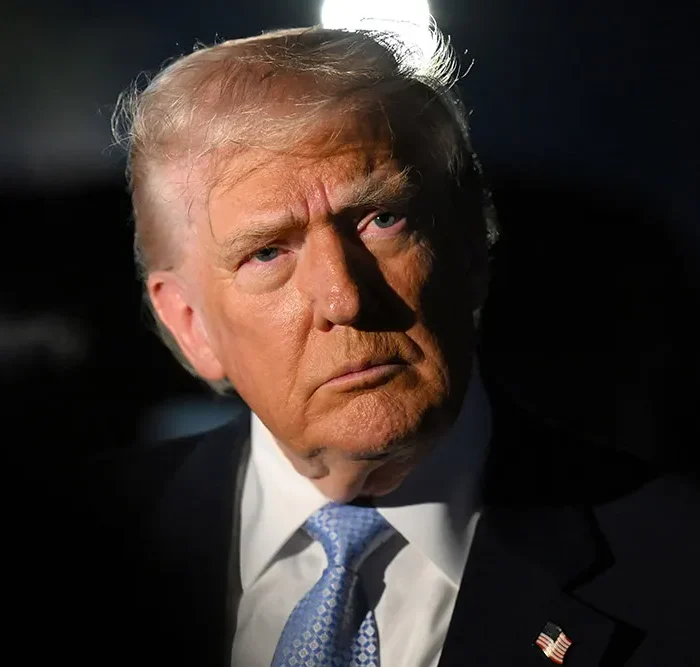
The president made his stance explicit on Truth Social Monday.
He wrote that every time Iran kills an American soldier, they will pay for that killing many times over, adding that this directive had been communicated to every leader in the military.
That commitment sits awkwardly alongside a ceasefire proposal. A framework requiring both sides to stop striking is difficult to reconcile with a standing order guaranteeing response to any American casualty.
What Happens Next
Three variables will determine whether this stabilizes or deteriorates:
Whether the ceasefire is accepted. Ten days would allow shipping insurers to reassess, potentially restoring some Hormuz traffic even before any permanent settlement.
Whether the Houthis follow through. A declared embargo and an enforced one are different things, and the Saudi-led coalition has promised a forceful response.
Whether another American service member dies. Given Trump’s stated directive, that single event could override whatever diplomatic progress mediators achieve.
The Underlying Squeeze
Strip away the daily developments and the structural problem is simple.
The Gulf has two practical export routes to global markets. One runs through Hormuz. The other runs across Saudi Arabia by pipeline and out through the Red Sea.
The first is effectively closed. The second is now under explicit threat.
There is no third option, which is why the ceasefire proposal has drawn such attention from energy analysts who would ordinarily pay little mind to diplomatic maneuvering. At this point, the shortest path to functioning oil markets runs through Tehran.
Author