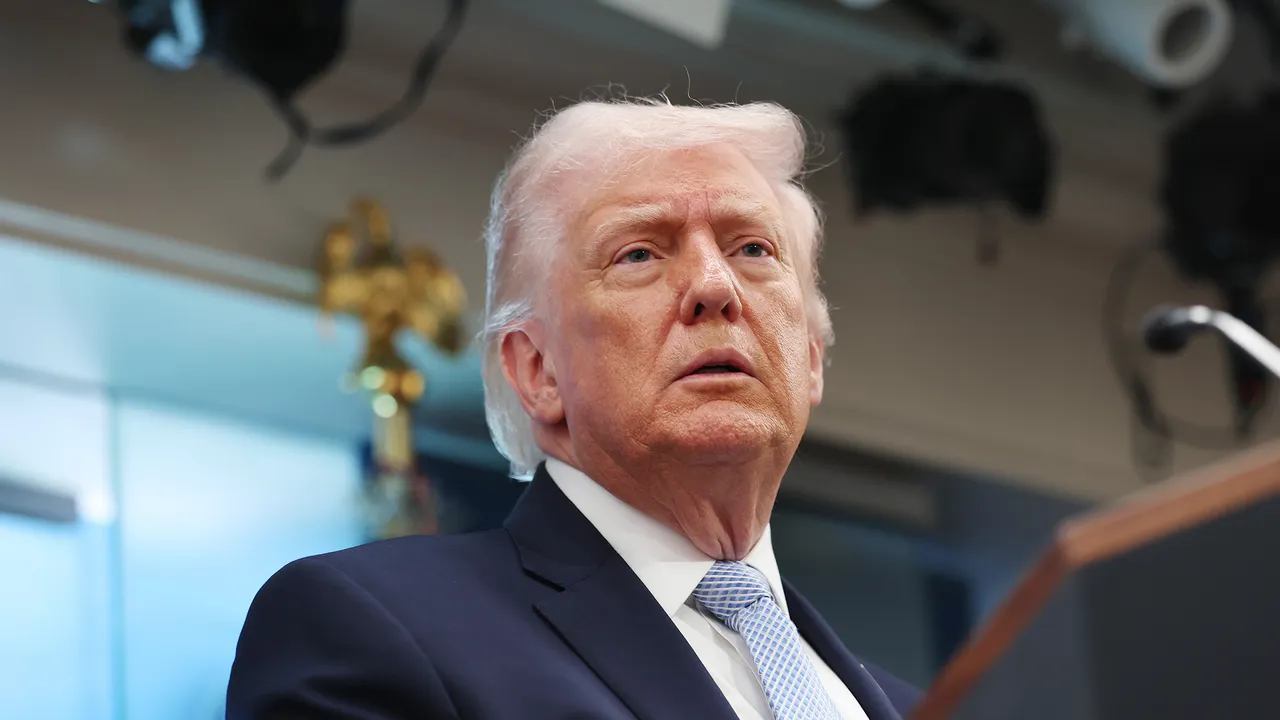
Trump Iran strategy has become a source of open frustration inside his own party, and the complaint is not about which approach he should take. It is that he keeps switching between them.
Republicans remain genuinely divided over whether economic strangulation or military force offers the better path. What increasingly unites them is impatience with a president who appears to be pursuing both at once, in alternating bursts.
The Weekend That Illustrated the Problem
The latest reversal played out over a few days.
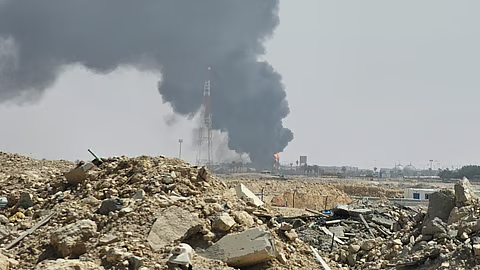
The United States carried out its first known strike on Iran since late July, hitting rocket launchers that the American military said were prepared to deploy sea mines into the Strait of Hormuz.
Trump then escalated rhetorically, posting on Truth Social that Kharg Island, Iran’s principal energy export terminal, would be blown to smithereens.
That threat landed only days after Treasury Secretary Scott Bessent announced what he termed an economic D-Day, an intensified sanctions campaign designed to squeeze Iran’s economy over time.
Bessent’s stated logic was explicit: the point of tightening the financial screws was to make military escalation unnecessary.
Two Strategies Working Against Each Other
The tension is not merely cosmetic. The two approaches rest on incompatible assumptions about time.
Economic pressure is a slow instrument. It works by accumulating damage until a government concludes that continuing costs more than conceding. That calculation requires months, and it requires the target to believe the pressure will persist rather than being overtaken by events.
Military escalation compresses the timeline dramatically. It forces immediate decisions and, in doing so, tends to reduce the relevance of sanctions that were designed to bite gradually.
Running both simultaneously creates a specific problem. Tehran cannot be certain which track it is actually being asked to respond to, and neither can Washington’s partners, whose cooperation the sanctions campaign depends on.
Six Months Into a Six-Week War
The frustration is sharpened by the gap between what was promised and what has happened.
Trump launched the war saying it would last roughly six weeks. It is now past the six-month mark. He and members of his Cabinet have described the conflict as concluded and successful on multiple occasions.
Those statements sit uneasily alongside a weekend in which American forces struck Iranian territory and the president publicly threatened to destroy a major oil terminal.
Where Republicans Actually Disagree
The intra-party debate breaks along familiar lines.
- One camp favours sustained economic pressure, arguing it degrades Iran’s capacity without committing American forces to an open-ended campaign
- Another argues that sanctions have had years to work and that decisive military action is the only thing Tehran responds to
- A smaller group questions whether either approach is producing results proportionate to the cost
What cuts across all three positions is the practical difficulty of defending a policy that changes character week to week. Lawmakers asked to support the administration find themselves explaining a strategy whose shape shifts before the explanation lands.
The Cost of Ambiguity
There is an argument that unpredictability is itself a tactic, keeping an adversary uncertain about what comes next. Trump has made versions of that case before.
The counterargument is that unpredictability works better against a single opponent than against a coalition. Sanctions campaigns require other governments to accept economic costs on Washington’s behalf. Those governments are considerably more reluctant to absorb that pain if they suspect the policy may be abandoned for airstrikes within a fortnight.
The same logic applies to Gulf states hosting American forces, which have already pressed for restraint once this summer and are now fielding drones over their own waters.
What Would Resolve It
The frustration among Republicans is less about outcome than about coherence. A clear commitment to either track would give the party something to defend and give partners something to plan around.
What exists instead is a policy that oscillates between asphyxiation and bombardment, six months into a war that was supposed to be finished five months ago.
Whether the administration settles on a direction may matter more for the war’s trajectory than any single strike or sanctions package. For now, the pattern holds: pressure, then force, then pressure again, with each announcement partially undercutting the one before it.
Author