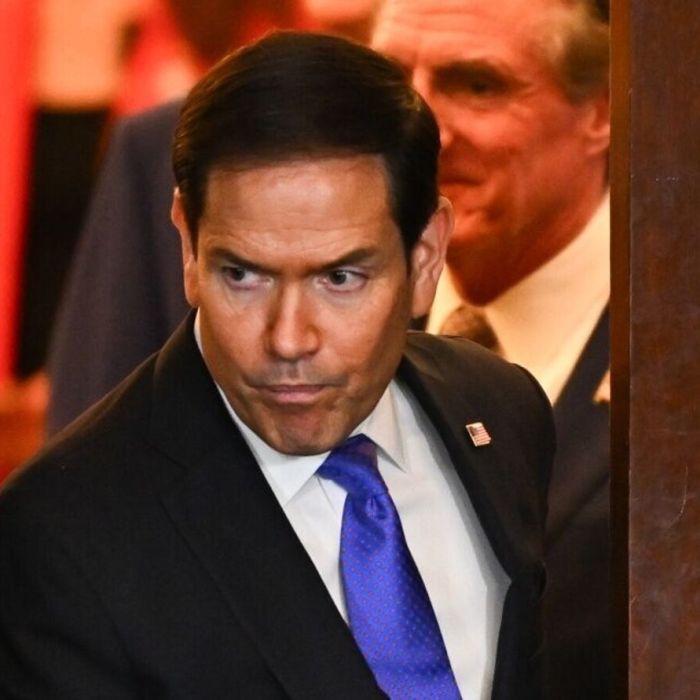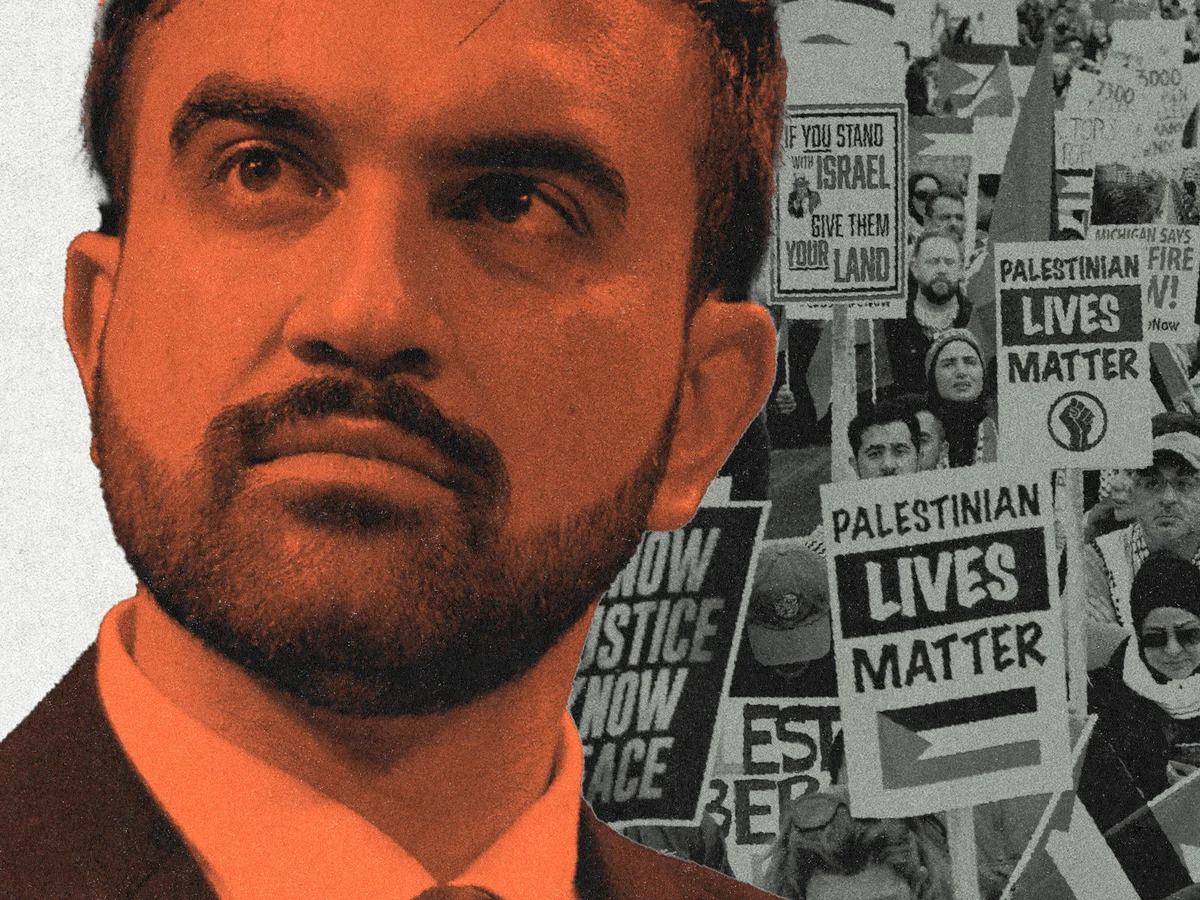
The Democrats Israel policy shift now underway has found an unlikely test case in New York City Hall, where Mayor Zohran Mamdani has stepped back from a campaign pledge to arrest Israeli Prime Minister Benjamin Netanyahu — while making clear he has not stepped back from the underlying position.
His revised framing is narrower but pointed. New York City lacks the legal authority to carry out such an arrest. The federal government does not.
That distinction is doing considerable work.
The Retreat That Isn’t Quite a Retreat
Campaign promises meeting legal reality is an ordinary feature of governing. What makes this one interesting is how Mamdani handled the collision.
He did not disavow the sentiment behind the pledge. He did not apologize for making it. He relocated the responsibility upward — to a federal government that has no intention whatsoever of acting on it.
President Trump will not arrest Netanyahu. Everyone involved in this conversation understands that. Which means the statement functions less as a policy proposal and more as a marker: this is where I stand, and here is who is declining to act.
Why a Mayor Cannot Arrest a Prime Minister
The legal barriers here are not close calls.
Municipal police authority does not extend to matters of international law or foreign heads of government. Several layers of doctrine make this unambiguous:
- Head of state and diplomatic immunity operate under federal and international frameworks
- Foreign policy is constitutionally reserved to the federal government
- Local law enforcement lacks jurisdiction over alleged crimes committed abroad
- Extradition and international warrants run through federal channels exclusively
A city can pass resolutions. It can decline to invest pension funds in particular ways. It can make its politics loudly known. It cannot detain a visiting foreign leader.
Mamdani’s acknowledgment of this reflects the constraint every big-city mayor eventually encounters — the office generates an enormous platform and comparatively modest legal reach.
The Larger Realignment
The reason this episode matters extends well beyond New York.
The Democratic Party’s traditionally reliable support for the Israeli government has been eroding, and the erosion is structural rather than rhetorical. Two forces are driving it.
First, progressive candidates have been defeating more moderate incumbents in primaries, gradually replacing the officeholders most committed to the older consensus. Each cycle shifts the caucus composition somewhat further.
Second, the continuing war in Gaza has moved public opinion within the Democratic coalition, particularly among younger voters and activist constituencies who now treat the issue as a moral litmus test rather than a foreign policy detail.
Those two dynamics reinforce each other. Changing voter sentiment produces different candidates; different candidates normalize positions that were once politically disqualifying.
Why Mamdani Specifically
Municipal officials rarely shape national foreign policy debates. Mamdani may be an exception, for reasons that have little to do with formal authority.
New York City holds particular symbolic weight in any conversation about American Jewish politics and Israel. It is home to the largest Jewish population outside Israel, and its politics have long been treated as a bellwether for what Democratic candidates elsewhere can safely say.
A mayor of New York taking a sharply critical position does something that a backbench member of Congress cannot. It signals that the political cost of such positions may be lower than previously assumed — and that assumption has governed Democratic behavior on this issue for decades.
Whether other officials read the signal that way is the open question.
The Emboldening Effect
The question worth watching is not whether Mamdani changes federal policy. He will not.
It is whether his visibility lowers the perceived risk for others.
Political shifts of this kind rarely happen through argument. They happen when a prominent figure takes a position, survives the backlash, and demonstrates that survival is possible. That demonstration effect moves other politicians more reliably than any amount of persuasion.
If Mamdani governs successfully while maintaining this posture, candidates in other cities and districts will notice. If the position becomes a liability, they will notice that too.
The Counterpressures
None of this is happening without resistance.
Substantial portions of the Democratic coalition remain committed to the traditional relationship, including many established officeholders, significant donor networks, and voters for whom support for Israel is deeply held rather than negotiable.
There is also the general-election calculation. Positions that win primaries in dense urban districts do not automatically travel to competitive statewide races, and party strategists are acutely aware of the difference.
That tension — between where the activist base is moving and where swing voters remain — is the central unresolved problem in Democratic foreign policy politics right now.
What This Episode Actually Reveals
Strip away the arrest question, which was never legally viable, and something more durable emerges.
A prominent Democratic official made a dramatic commitment on Israel, encountered the limits of his office, and adjusted the mechanism without adjusting the message. He then pointed at the federal government and effectively invited scrutiny of its inaction.
That is not the behavior of someone retreating under pressure. It is the behavior of someone who believes the political ground has shifted enough to hold the position.
Whether he is right about that ground is the question the next few election cycles will answer.
For now, the party is visibly negotiating with itself in public — and New York City Hall has become one of the louder rooms in that negotiation.
Author
-
Lucienne Albrecht is Luxe Chronicle’s wealth and lifestyle editor, celebrated for her elegant perspective on finance, legacy, and global luxury culture. With a flair for blending sophistication with insight, she brings a distinctly feminine voice to the world of high society and wealth.