Houston Midwife Abortion Case Takes a Turn as Injunction Falls
A Texas appeals court has thrown out the injunction that shut down three Houston-area clinics operated by midwife Maria Rojas, ruling that the state failed to produce evidence supporting the order against her.
The Fifteenth Court of Appeals reversed the temporary injunction that had closed facilities in Spring, Cypress and Waller. Rojas’ legal team maintains those clinics provided maternal health services within the scope of her midwifery practice.
Attorney General Ken Paxton responded quickly, announcing that his office intends to appeal and push the matter to the Texas Supreme Court.
What the Ruling Does and Does Not Do
The distinction here matters. The appeals court addressed the injunction, not the underlying allegations.
Court records indicate the state did not present evidence that Rojas engaged in conduct justifying the shutdown order. That finding invalidates the injunction but leaves the broader case intact.
Rojas still faces accusations of performing illegal abortions and practicing medicine without a license. She is expected to appear in trial court as proceedings continue.
The clinics are technically permitted to reopen. Whether they will is another question entirely.
The Damage Is Already Done
Rojas’ attorneys described consequences that a favorable ruling cannot undo.
She surrendered the leases on all three clinics. The communities they served — largely low-income and uninsured patients — lost access to care in the process. Her midwifery license was suspended, leaving her without employment.
Her attorney indicated it is improbable that she will restart operations.
Why Providers Are Watching
The case carries weight well beyond one practitioner.
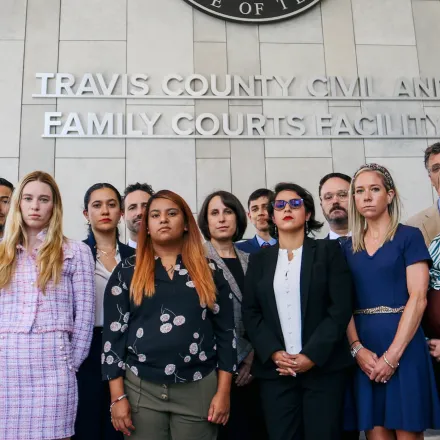
Jenna Hudson, senior counsel at the Center for Reproductive Rights, framed the outcome as insufficient to repair what has occurred. The damage, she argued, is already inflicted. The case has frightened providers across the state, and that chilling effect is real and constitutes a serious problem regardless of how the litigation resolves.
According to Rojas’ attorneys, she is the first individual to face criminal abortion charges since Texas implemented its complete ban in 2022.
What Texas Law Says
The penalties involved explain the stakes:
- Providing an abortion, outside a narrow set of exceptions, is a criminal offense
- Conviction can bring a sentence of up to life in prison
- A fine of $100,000 may also be imposed
Those thresholds place abortion provision among the most severely punished offenses in the state’s criminal code.
The State’s Allegations
Court documents lay out the accusations that prompted the original action.
One patient told investigators she had been led to believe Rojas was a gynecologist. That patient alleged Rojas administered a drug to terminate her pregnancy.
A separate source cited in the documents reported that Rojas charged between $800 and $1,300 for abortions.
None of these claims have been tested at trial. The appeals court did not evaluate their truth — it found only that the state had not met the evidentiary burden required to justify closing the clinics through an injunction.
Two Separate Legal Questions
The case actually contains two distinct allegations that are often collapsed together in coverage.
The first concerns abortion specifically, and carries the enormous penalties described above. The second concerns unauthorized practice of medicine — a charge that would exist independently of any abortion law, turning on whether Rojas represented herself as something she was not.
How those questions interact may determine how much precedent this case ultimately sets.
Where It Goes From Here
Paxton’s stated plan to seek Texas Supreme Court review means the injunction question may not be settled. Meanwhile, the trial court proceedings on the substantive charges will move forward on their own track.
For clinics and independent providers across Texas, the practical lesson may have already been delivered. A prosecution that ends in acquittal or dismissal can still close three facilities, suspend a license, and end a career before any verdict arrives.
That, as Hudson suggested, is a form of enforcement that operates regardless of what the courts eventually decide.
Author
-
Lucienne Albrecht is Luxe Chronicle’s wealth and lifestyle editor, celebrated for her elegant perspective on finance, legacy, and global luxury culture. With a flair for blending sophistication with insight, she brings a distinctly feminine voice to the world of high society and wealth.