States Sue FEMA Over Conditions Attached to Emergency Preparedness Money
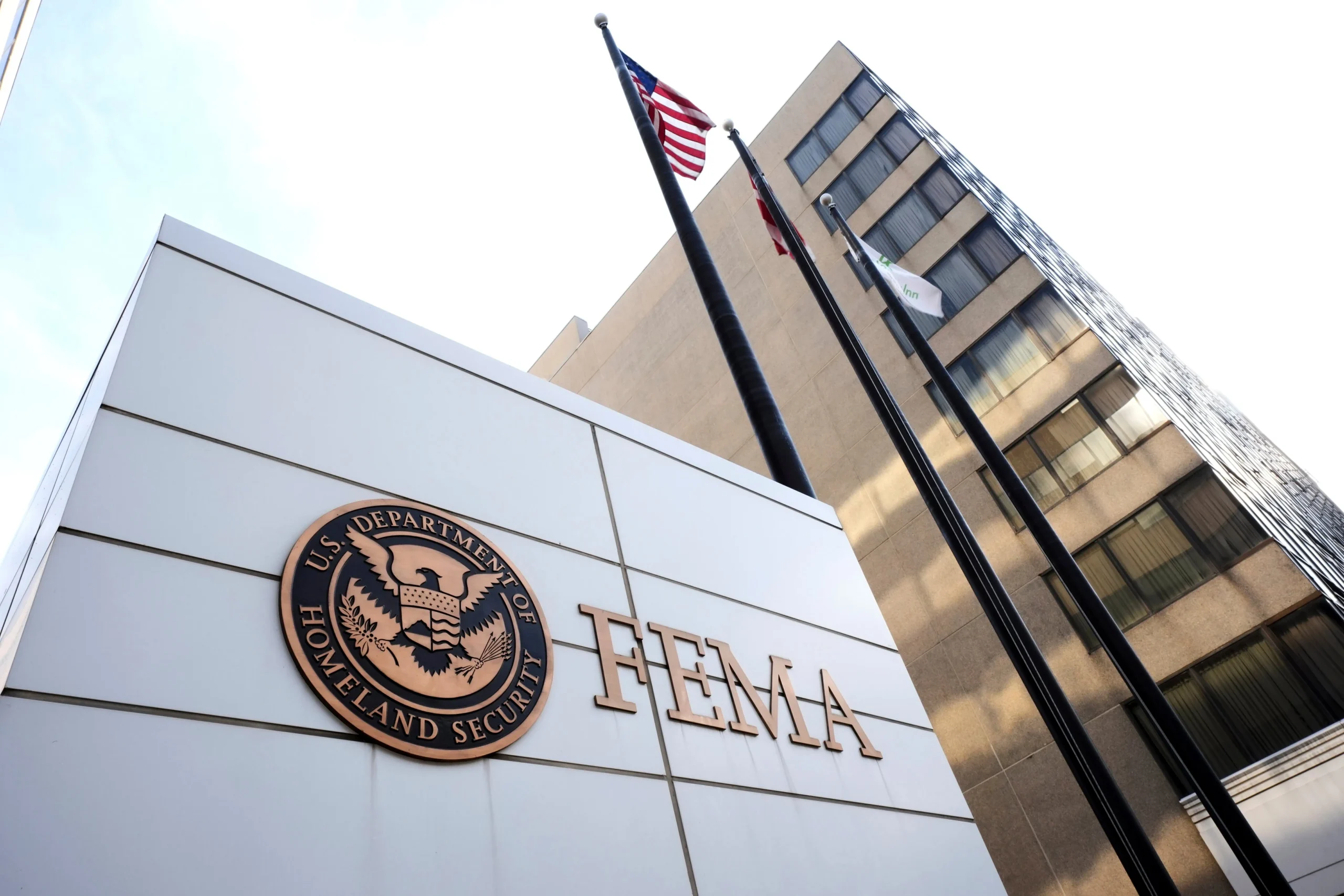
Twenty-five states and the District of Columbia have taken FEMA and the Department of Homeland Security to federal court, alleging the Trump administration is holding back hundreds of millions of dollars in disaster and security grants to pressure states into adopting its positions on elections and immigration.
The legal question at the center is whether an agency can attach conditions to congressionally appropriated funds when those conditions have little connection to the purpose of the money.
What the New Conditions Require
The lawsuit targets a set of requirements recently attached to grant eligibility. To receive full funding, states would have to:
- Verify voter citizenship through a federal database
- Transition toward hand-marked paper ballots
- Carry out election audits following federal specifications
- Cooperate with federal immigration enforcement
None of these, the plaintiffs argue, bears a meaningful relationship to emergency preparedness.
What the Money Normally Pays For
DHS grant funds typically underwrite the unglamorous infrastructure of emergency response — reimbursements for first responders, bomb disposal units, cybersecurity work, disaster operations and security measures at houses of worship.
The states estimate that FEMA could withhold at least 20% of Homeland Security Grant Program awards, amounting to roughly $148 million across the plaintiff states. Continued noncompliance, they say, could result in entire awards being terminated going forward.
A Second Objection: Open-Ended Cancellation Authority
Beyond the specific conditions, the suit challenges language that would let FEMA cancel grants deemed no longer aligned with the administration’s evolving priorities or its interpretation of the national interest.
The states argue this creates a structural problem. Multiyear federal awards become unreliable if they can be revoked whenever agency preferences shift. More fundamentally, they contend it hands the executive branch a mechanism to redirect money Congress has already appropriated.
The States’ Argument
Rhode Island Attorney General Peter F. Neronha, co-leading the litigation, accused the administration of endangering public safety by unlawfully withholding critical funding.
His constitutional argument was direct. Congress allocated these funds to states for emergency preparedness and response, covering counterterrorism and natural disasters alike. In his framing, the executive branch has no legal authority to second-guess that allocation. Federal emergency money, he said, cannot be held hostage.
Legally, the states are pressing two claims: that the conditions violate the Administrative Procedure Act, and that they exceed the limits the Constitution’s Spending Clause places on federal conditions attached to state funding.
FEMA Pushes Back Hard
The agency’s response was notably combative and framed the dispute in partisan terms.
A FEMA spokesperson told CBS News that objections from New Jersey, California, Illinois and Rhode Island represent nothing new, saying the agency anticipated opposition from left-wing politicians to what it described as common-sense election security measures.
The statement went on to assert that states must take necessary steps to protect U.S. elections this year before receiving full Homeland Security Grant Program awards, characterizing the new requirements as preserving election integrity.
Who Joined the Case
The coalition spans much of the country. Alongside Rhode Island, attorneys general signed on from Arizona, California, Colorado, Connecticut, Delaware, Hawaii, Illinois, Maine, Maryland, Massachusetts, Michigan, Minnesota, Nevada, New Jersey, New Mexico, New York, North Carolina, Oregon, Vermont, Virginia, Washington, Wisconsin and the District of Columbia.
The governors of Kentucky and Pennsylvania also joined, a detail worth noting since both lead states where the attorney general’s office is held by the opposing party.
What They Want From the Court
The plaintiffs have asked a federal judge in Rhode Island for three specific outcomes:
- An order blocking the conditions from taking effect
- A nationwide ruling voiding the conditions as applied to the plaintiffs
- A directive requiring the agencies to issue the funding documents
The Underlying Constitutional Fight
Strip away the specifics and this is a case about leverage.
The Spending Clause permits the federal government to attach strings to money it gives states, but courts have long held that those conditions must relate to the federal interest in the program and cannot become so coercive that they amount to compulsion rather than persuasion.
That is the terrain this lawsuit will be fought on. Election administration and immigration enforcement are areas where states have traditionally guarded their authority, and grant money for bomb squads and disaster response is not obviously connected to either.
FEMA’s public framing — that these are common-sense election measures — sidesteps the legal question entirely. The court will not be asked whether the requirements are sensible policy. It will be asked whether an agency can make disaster funding contingent on them.
Author
-
Lucienne Albrecht is Luxe Chronicle’s wealth and lifestyle editor, celebrated for her elegant perspective on finance, legacy, and global luxury culture. With a flair for blending sophistication with insight, she brings a distinctly feminine voice to the world of high society and wealth.